THE ADVENTURE COLLECTIVE® · Independent discovery and booking for outdoor travel

Walk from Hollywood’s movie-era landmarks to downtown’s civic heart on a six-hour guided tour that pairs film history with architecture, food stops and a Metro ride. Perfect for first-time visitors who want context and practical local tips.
Walk from Hollywood’s movie-era landmarks to downtown’s civic heart on a six-hour guided tour that pairs film history with architecture, food stops and a Metro ride. Perfect for first-time visitors who want context and practical local tips.
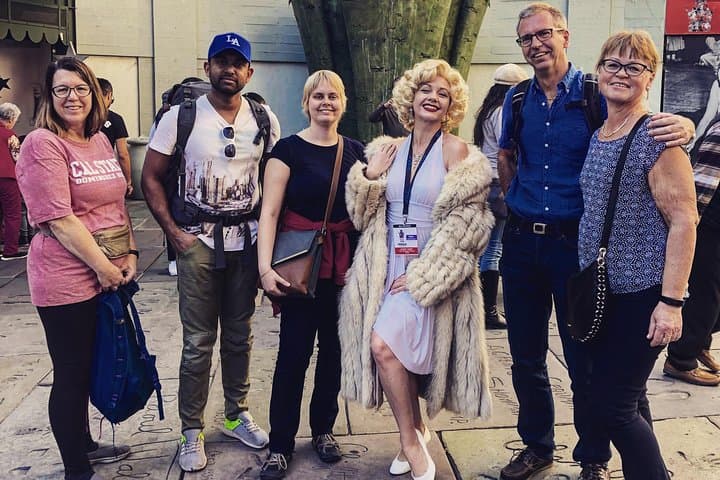
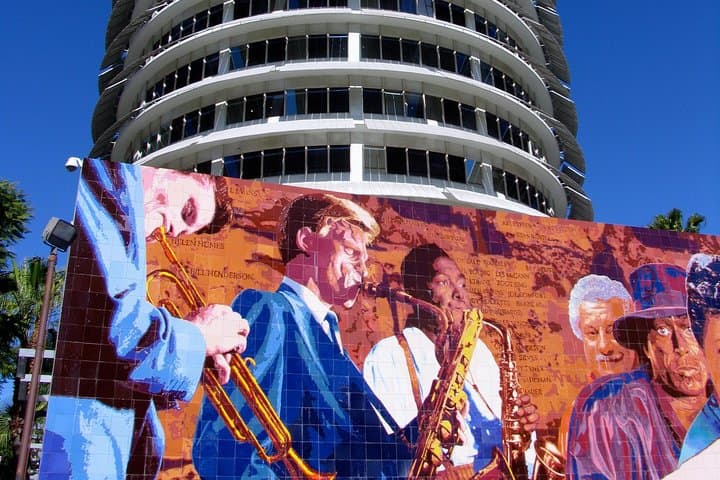
You step out onto Hollywood Boulevard where neon and palm trunks set the pace, boots clicking past the Walk of Fame while tour guides thread stories into the city noise. The morning moves through iconography — Capitol Records, the Egyptian and TCL Chinese Theaters — each facade a chapter in the century-long story of movies finding a new home here.
Verified experiences and guided adventures in the surrounding area.
Operated by The Real Los Angeles Tours · Los Angeles, California
You step out onto Hollywood Boulevard where neon and palm trunks set the pace, boots clicking past the Walk of Fame while tour guides thread stories into the city noise. The morning moves through iconography — Capitol Records, the Egyptian and TCL Chinese Theaters — each facade a chapter in the century-long story of movies finding a new home here.
Los Angeles began as a Spanish pueblo in 1781; Hollywood was a farming outpost that became a film capital in the early 1900s as studios chased sunshine and cheap land. Geologically, the region is coastal plains backed by the Santa Monica and Hollywood Hills, which shaped early street grids and the placement of rail lines that now carry you downtown. Culture here is collisional: showbiz legacy rubbing shoulders with civic institutions like the Broad, Walt Disney Concert Hall and Grand Central Market — where immigrant foodways shaped modern LA cuisine.
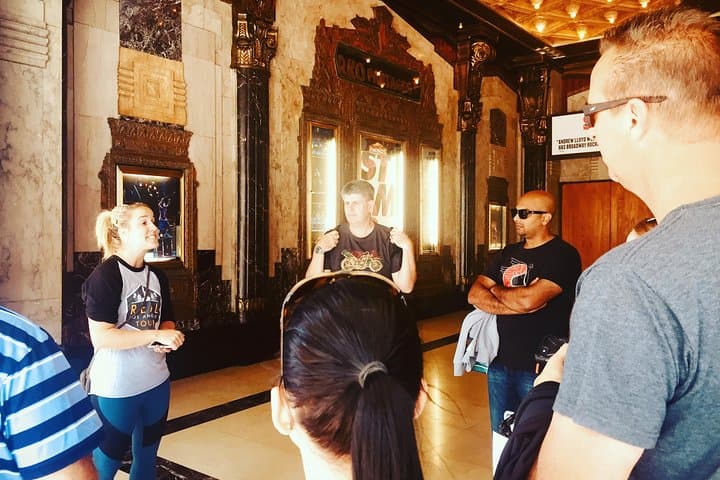
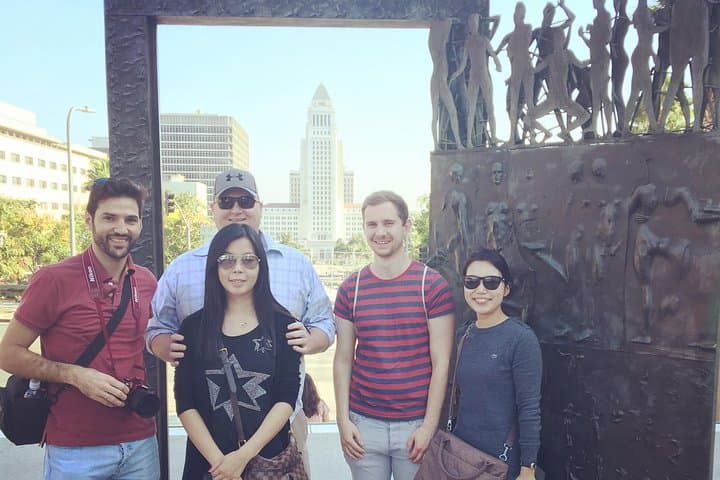
The tour trades glamour for context, then shifts to the Red Line subway; the city’s bones are revealed in stone — Beaux-Arts courthouses, Art Deco towers and restored lobbies. Expect urban textures: polished metal, concrete plazas, a $1 funicular ride and the scent of street food at lunch.
Practically: wear broken-in shoes, dress in layers for microclimates between hilltop sun and shaded courtyards, and bring a small daypack for water and a transit ticket (included). The pace is steady across roughly six hours of walking and Metro travel — ideal for curious travelers who want history, architecture and the real rhythms of Los Angeles.
easy.
6 hours.
Suitable for most fitness levels; you should be comfortable walking 3–5 miles (5–8 km) over varied urban terrain.
Yes — the tour includes Los Angeles Metro travel; bring your ticket confirmation for the guide and ride access.
Expect moderate walking across city streets and stations totaling roughly 3–5 miles (5–8 km) spread over six hours.
Lunch is not provided but the itinerary includes a long stop at Grand Central Market with many affordable options and dietary accommodations.
The tour is not recommended for children under 12 and may be challenging for those with limited mobility; private tours can be arranged for accessibility needs.
Los Angeles originated as a Spanish settlement in 1781; Hollywood’s rise began in the early 20th century when filmmakers relocated to capitalize on light, varied landscapes and inexpensive land.
The tour promotes public transit use (ticket included) and donates $1 per guest to Climate Cents; stay on sidewalks and avoid littering to minimize urban impact.
The Real Los Angeles Tours operates guided outdoor trips and adventures with an emphasis on safety, stewardship, and memorable experiences.
You step out onto Hollywood Boulevard where neon and palm trunks set the pace, boots clicking past the Walk of Fame while tour guides thread stories into the city noise. The morning moves through iconography — Capitol Records, the Egyptian and TCL Chinese Theaters — each facade a chapter in the century-long story of movies finding a new home here.
You step out onto Hollywood Boulevard where neon and palm trunks set the pace, boots clicking past the Walk of Fame while tour guides thread stories into the city noise. The morning moves through iconography — Capitol Records, the Egyptian and TCL Chinese Theaters — each facade a chapter in the century-long story of movies finding a new home here.
Los Angeles began as a Spanish pueblo in 1781; Hollywood was a farming outpost that became a film capital in the early 1900s as studios chased sunshine and cheap land. Geologically, the region is coastal plains backed by the Santa Monica and Hollywood Hills, which shaped early street grids and the placement of rail lines that now carry you downtown. Culture here is collisional: showbiz legacy rubbing shoulders with civic institutions like the Broad, Walt Disney Concert Hall and Grand Central Market — where immigrant foodways shaped modern LA cuisine.
The tour trades glamour for context, then shifts to the Red Line subway; the city’s bones are revealed in stone — Beaux-Arts courthouses, Art Deco towers and restored lobbies. Expect urban textures: polished metal, concrete plazas, a $1 funicular ride and the scent of street food at lunch.
Practically: wear broken-in shoes, dress in layers for microclimates between hilltop sun and shaded courtyards, and bring a small daypack for water and a transit ticket (included). The pace is steady across roughly six hours of walking and Metro travel — ideal for curious travelers who want history, architecture and the real rhythms of Los Angeles.