THE ADVENTURE COLLECTIVE® · Independent discovery and booking for outdoor travel

Spend a night asleep on a pontoon above Hardy Reef and wake to one of the world’s most iconic coral systems. This two-day Reefsleep trip combines snorkeling, an underwater viewing chamber, guided talks, and an overnight Reefbed under open skies.
Spend a night asleep on a pontoon above Hardy Reef and wake to one of the world’s most iconic coral systems. This two-day Reefsleep trip combines snorkeling, an underwater viewing chamber, guided talks, and an overnight Reefbed under open skies.
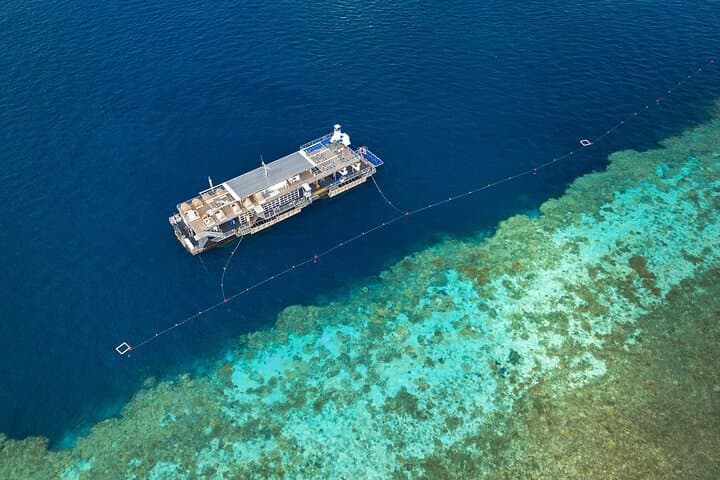
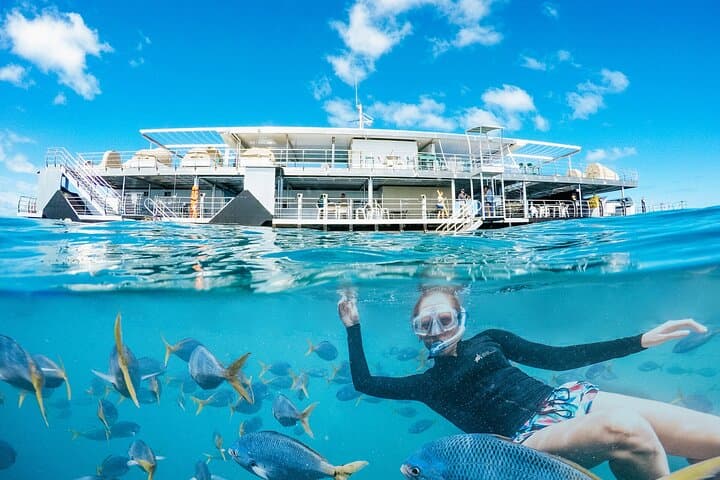
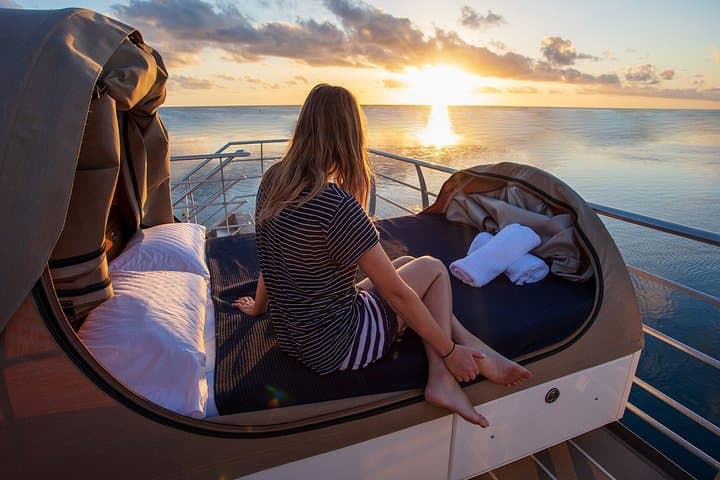
You step off the tender onto a low-slung pontoon and the ocean immediately rearranges your expectations: a flat, seaworthy platform anchored on the edge of the reef, gulls cutting low, and a horizon that refuses the notion of shore. By day the pontoon hums with splashes and snorkel bubbles; by night the upper deck becomes an open-air dormitory where the reef seems to breathe beneath you and the stars keep a careful watch.
Verified experiences and guided adventures in the surrounding area.
Operated by Cruise Whitsundays · Airlie Beach, Queensland
You step off the tender onto a low-slung pontoon and the ocean immediately rearranges your expectations: a flat, seaworthy platform anchored on the edge of the reef, gulls cutting low, and a horizon that refuses the notion of shore. By day the pontoon hums with splashes and snorkel bubbles; by night the upper deck becomes an open-air dormitory where the reef seems to breathe beneath you and the stars keep a careful watch.
The Great Barrier Reef is a living structure of coral growth built over thousands of years on Australia’s continental shelf. The Whitsunday waters around Hardy Reef have long been traversed by seafarers and visitable by local Aboriginal groups — today the area is managed with a mix of tourism and conservation aimed at protecting coral and fish habitats.
Expect clear snorkel sites, a semi-submersible viewing chamber, guided reef talks, and the chance to see reef sharks, angelfish, and giant clams. The pontoon’s Reefbed gives a simple, direct night on the water: mattress, sleeping bag swags, and the sound of the sea as your soundtrack.
Practical essentials: pack reef-safe sunscreen, a small overnight bag, swimwear, and a light jacket for windy nights. Seas can be choppy on the 40-nautical-mile run — take motion-sickness precautions and arrive with a charged camera; underwater visibility varies with weather. The operator provides snorkeling gear and meals, but bring any personal medications and follow instructions for diving medical checks if you plan to scuba. Timing your visit early in the season can improve visibility and marine life encounters, while remembering that weather can change plans — the reef is majestic, but also very much at the mercy of the elements.
moderate.
48 hours (2 days).
Moderate fitness—comfortable getting on/off tenders, swimming short snorkel excursions, and climbing ladder access to the pontoon.
Round-trip cruise, two lunches, dinner, breakfast, use of snorkeling equipment, semi-submersible viewing, reef talks, and overnight accommodation in a Reefbed on the pontoon.
Minimum age is 12 years; diving has additional medical requirements and age restrictions for certified divers.
Scuba diving may be available but requires medical clearance for some guests; check with the operator and provide any required certificates before departure.
The operator may cancel for safety reasons; bookings are generally non-refundable for cancellations initiated by guests but the trip may be rescheduled or refunded if the operator cancels due to weather.
Hardy Reef and nearby features like Heart Reef sit within waters long traversed by island peoples of the Whitsundays and later European mariners; modern tourism to these reefs developed alongside conservation programs.
Operators work under Great Barrier Reef Marine Park zoning rules; visitors should avoid touching coral, use reef-safe sunscreen, and follow crew briefings to reduce impact.
Cruise Whitsundays operates guided outdoor trips and adventures with an emphasis on safety, stewardship, and memorable experiences.

You step off the tender onto a low-slung pontoon and the ocean immediately rearranges your expectations: a flat, seaworthy platform anchored on the edge of the reef, gulls cutting low, and a horizon that refuses the notion of shore. By day the pontoon hums with splashes and snorkel bubbles; by night the upper deck becomes an open-air dormitory where the reef seems to breathe beneath you and the stars keep a careful watch.
You step off the tender onto a low-slung pontoon and the ocean immediately rearranges your expectations: a flat, seaworthy platform anchored on the edge of the reef, gulls cutting low, and a horizon that refuses the notion of shore. By day the pontoon hums with splashes and snorkel bubbles; by night the upper deck becomes an open-air dormitory where the reef seems to breathe beneath you and the stars keep a careful watch.
The Great Barrier Reef is a living structure of coral growth built over thousands of years on Australia’s continental shelf. The Whitsunday waters around Hardy Reef have long been traversed by seafarers and visitable by local Aboriginal groups — today the area is managed with a mix of tourism and conservation aimed at protecting coral and fish habitats.
Expect clear snorkel sites, a semi-submersible viewing chamber, guided reef talks, and the chance to see reef sharks, angelfish, and giant clams. The pontoon’s Reefbed gives a simple, direct night on the water: mattress, sleeping bag swags, and the sound of the sea as your soundtrack.
Practical essentials: pack reef-safe sunscreen, a small overnight bag, swimwear, and a light jacket for windy nights. Seas can be choppy on the 40-nautical-mile run — take motion-sickness precautions and arrive with a charged camera; underwater visibility varies with weather. The operator provides snorkeling gear and meals, but bring any personal medications and follow instructions for diving medical checks if you plan to scuba. Timing your visit early in the season can improve visibility and marine life encounters, while remembering that weather can change plans — the reef is majestic, but also very much at the mercy of the elements.