THE ADVENTURE COLLECTIVE® · Independent discovery and booking for outdoor travel

Spend a day on a private motu off Rangiroa exploring pink sand, volcanic rock pools and coral gardens, with snorkeling, a weaving demonstration and a dolphin visit at Tiputa Pass.
Spend a day on a private motu off Rangiroa exploring pink sand, volcanic rock pools and coral gardens, with snorkeling, a weaving demonstration and a dolphin visit at Tiputa Pass.
A low-slung skiff parts the lagoon at first light and Rangiroa’s motu rises like a ring of sand and black rock against an endless blue. Salt stings briefly; the boat smells of diesel and sunscreen. On the ocean side, jagged volcanic rock has been carved by wind and wave into pools that glint like dark mirrors. The motu dares you to explore—between sun-warmed coral gardens and shaded coconut groves.
Verified experiences and guided adventures in the surrounding area.
Operated by Rangiroa Excursion · Rangiroa, Tuamotu
A low-slung skiff parts the lagoon at first light and Rangiroa’s motu rises like a ring of sand and black rock against an endless blue. Salt stings briefly; the boat smells of diesel and sunscreen. On the ocean side, jagged volcanic rock has been carved by wind and wave into pools that glint like dark mirrors. The motu dares you to explore—between sun-warmed coral gardens and shaded coconut groves.
This is a Paumotu landscape: a coral atoll built on ancient volcanic foundations. The dark, eroded basalt on the ocean edge contrasts with the lagoon’s pink-tinged sand formed from crushed coral and foraminifera. Cultural threads show in everyday life—braiding demonstrations and a shared barbecue lunch echo traditional island skills and hospitality.
Expect a full-day rhythm: morning transfer from Ohotu, island exploration and snorkeling in a coral garden, a midday aperitif and woven-demo lunch, free swimming, then a visit to Tiputa Pass to watch dolphins and snorkel in a calm natural aquarium. Guides provide snorkel gear and bottled water; the program runs about 8 hours and is rated easy.
Practical notes: wear reef-safe sunscreen, quick-dry swimwear and protective water shoes for the rocky shore. If you’re prone to seasickness, medicate before departure; currents at the pass can be lively and should be respected. Bring a dry bag, spare battery for your camera, and cash for small purchases.
The day balances play and learning—swimming in koi-blue shallows, watching dolphins push through the pass, and leaving with a clearer sense of Rangiroa’s geology and Paumotu island life.
easy.
8 hours.
Suitable for people in average physical condition; requires basic swimming ability for snorkeling.
No—basic swimming ability is sufficient and snorkel equipment is provided; guides offer orientation for less experienced snorkelers.
Yes—infants must sit on an adult’s lap; the trip is rated physically easy but guardians should supervise youngsters in shallow water.
Facilities are limited; plan accordingly and use hotel facilities before boarding when possible.
The tour may cancel for bad weather—full refunds are available if cancelled at least 24 hours before departure or if the operator cancels due to conditions.
Rangiroa is one of the largest atolls in the Tuamotu archipelago; its motu are formed from coral growth atop submerged volcanic rims and have long supported Paumotu subsistence and craft traditions.
Visitors are encouraged to use reef‑safe products and avoid touching coral; tour operators commonly brief guests on low‑impact snorkeling practices to protect fragile reef habitats.
Rangiroa Excursion operates guided outdoor trips and adventures with an emphasis on safety, stewardship, and memorable experiences.
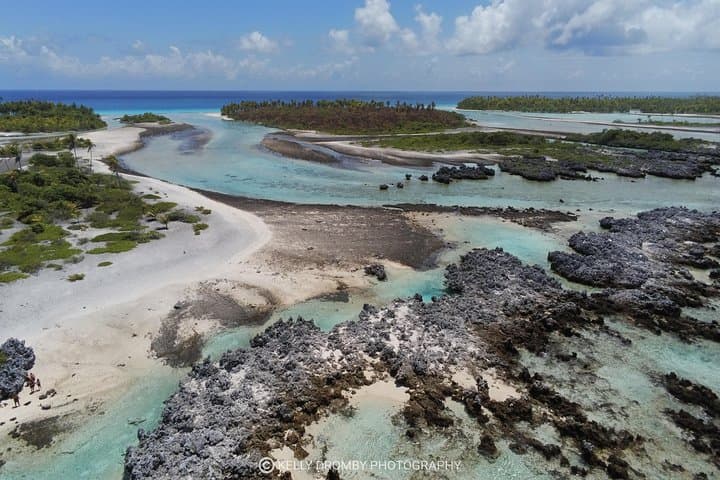


A low-slung skiff parts the lagoon at first light and Rangiroa’s motu rises like a ring of sand and black rock against an endless blue. Salt stings briefly; the boat smells of diesel and sunscreen. On the ocean side, jagged volcanic rock has been carved by wind and wave into pools that glint like dark mirrors. The motu dares you to explore—between sun-warmed coral gardens and shaded coconut groves.
A low-slung skiff parts the lagoon at first light and Rangiroa’s motu rises like a ring of sand and black rock against an endless blue. Salt stings briefly; the boat smells of diesel and sunscreen. On the ocean side, jagged volcanic rock has been carved by wind and wave into pools that glint like dark mirrors. The motu dares you to explore—between sun-warmed coral gardens and shaded coconut groves.
This is a Paumotu landscape: a coral atoll built on ancient volcanic foundations. The dark, eroded basalt on the ocean edge contrasts with the lagoon’s pink-tinged sand formed from crushed coral and foraminifera. Cultural threads show in everyday life—braiding demonstrations and a shared barbecue lunch echo traditional island skills and hospitality.
Expect a full-day rhythm: morning transfer from Ohotu, island exploration and snorkeling in a coral garden, a midday aperitif and woven-demo lunch, free swimming, then a visit to Tiputa Pass to watch dolphins and snorkel in a calm natural aquarium. Guides provide snorkel gear and bottled water; the program runs about 8 hours and is rated easy.
Practical notes: wear reef-safe sunscreen, quick-dry swimwear and protective water shoes for the rocky shore. If you’re prone to seasickness, medicate before departure; currents at the pass can be lively and should be respected. Bring a dry bag, spare battery for your camera, and cash for small purchases.
The day balances play and learning—swimming in koi-blue shallows, watching dolphins push through the pass, and leaving with a clearer sense of Rangiroa’s geology and Paumotu island life.