THE ADVENTURE COLLECTIVE® · Independent discovery and booking for outdoor travel

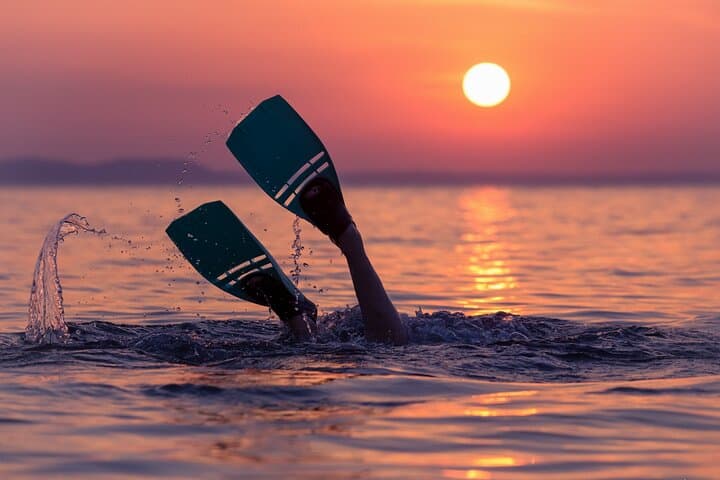
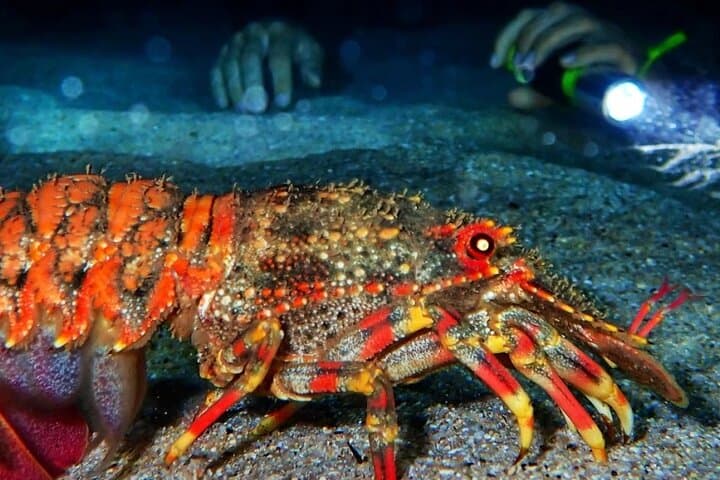
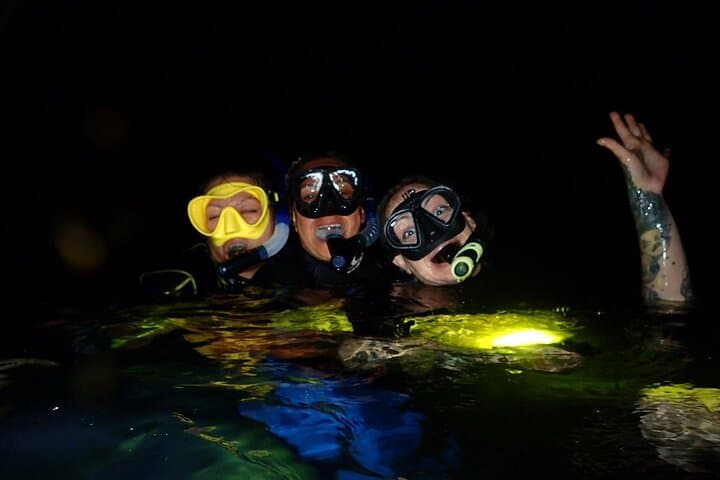
Head out after dark from Redang Island for a private night snorkel where nocturnal reef life emerges under guide lights. This two-hour trip pairs calm nighttime conditions with the chance to see octopus, lobsters, and sleeping reef fish.
Head out after dark from Redang Island for a private night snorkel where nocturnal reef life emerges under guide lights. This two-hour trip pairs calm nighttime conditions with the chance to see octopus, lobsters, and sleeping reef fish.
The speedboat cuts a dark ribbon across oil-smooth water and a warm, humid wind smells of distant pandan and diesel. On Redang’s lee side the reef holds its breath; under the beam of your guide’s torch, parrotfish and shy mantis shrimp glide into view while a hovering sea turtle may drift by as if checking the night’s guest list.
Verified experiences and guided adventures in the surrounding area.
Operated by Malaysia Divers (Tioman Tours / Pulau Payar Diving) · Redang Island, Terengganu
The speedboat cuts a dark ribbon across oil-smooth water and a warm, humid wind smells of distant pandan and diesel. On Redang’s lee side the reef holds its breath; under the beam of your guide’s torch, parrotfish and shy mantis shrimp glide into view while a hovering sea turtle may drift by as if checking the night’s guest list.
Pulau Redang sits off Terengganu’s coast and is part of a protected marine park established to preserve its coral gardens and turtle nesting beaches. Geologically the island is a granite outcrop with fringing reefs that bloom where shallow light and steady currents meet—conditions that change at night, coaxing nocturnal grazers and cephalopods from crevices.
Local fishing villages on the mainland have long traded in copra and sea products; today conservation rules and park fees balance tourism with traditional livelihoods. Guides here know which channels are calm after dark and which reef flats light up with bioluminescence.
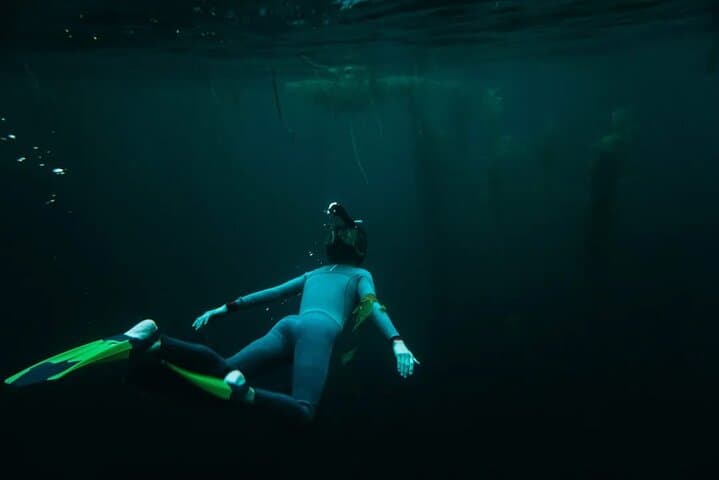
Practical guidance: this private, two-hour outing departs after sunset from Redang’s beach piers and uses a speedboat for short transfers to reef sites. Bring a waterproof headlamp, a snug mask, and a reef-safe sunscreen; wear a long-sleeve rashguard or thin wetsuit for abrasion and stings. Listen to the guide’s briefing—buoyancy control and slow movements maximize sightings and protect corals.
Expect limited visibility compared with daytime snorkels, steady water in sheltered bays, and close encounters with night-active species—octopus, sleeping parrotfish, lobsters, and the occasional turtle. Photography requires a steady hand and red-filtered light to avoid startling wildlife. The experience is equal parts marine biology primer and low-light adventure.
moderate.
2 hours.
Comfortable for those who can swim and tread water for short periods; not strenuous but requires basic open-water confidence.
Yes—this trip is guided and suitable for participants with basic snorkeling ability, but you should be comfortable in open water and follow the guide’s instructions.
Typical sightings include octopus, lobsters, sleeping parrotfish, shrimps, and occasionally turtles and reef rays that move through calm bays at night.
Yes—snorkeling equipment, a private speedboat, and hotel pickup/drop on Redang Island are included in the tour price.
This operator marks all sales final; trips may be cancelled for bad weather and refunds are governed by the provider’s policy—confirm at booking.
Redang became a designated marine park in the 1990s to protect nesting turtles and reef systems, shifting parts of the local economy toward regulated tourism.
Visitors are asked to use reef-safe products, avoid touching or standing on corals, and follow guide instructions to minimize light and noise disturbance at night.
Malaysia Divers (Tioman Tours / Pulau Payar Diving) operates guided outdoor trips and adventures with an emphasis on safety, stewardship, and memorable experiences.
The speedboat cuts a dark ribbon across oil-smooth water and a warm, humid wind smells of distant pandan and diesel. On Redang’s lee side the reef holds its breath; under the beam of your guide’s torch, parrotfish and shy mantis shrimp glide into view while a hovering sea turtle may drift by as if checking the night’s guest list.
The speedboat cuts a dark ribbon across oil-smooth water and a warm, humid wind smells of distant pandan and diesel. On Redang’s lee side the reef holds its breath; under the beam of your guide’s torch, parrotfish and shy mantis shrimp glide into view while a hovering sea turtle may drift by as if checking the night’s guest list.
Pulau Redang sits off Terengganu’s coast and is part of a protected marine park established to preserve its coral gardens and turtle nesting beaches. Geologically the island is a granite outcrop with fringing reefs that bloom where shallow light and steady currents meet—conditions that change at night, coaxing nocturnal grazers and cephalopods from crevices.
Local fishing villages on the mainland have long traded in copra and sea products; today conservation rules and park fees balance tourism with traditional livelihoods. Guides here know which channels are calm after dark and which reef flats light up with bioluminescence.
Practical guidance: this private, two-hour outing departs after sunset from Redang’s beach piers and uses a speedboat for short transfers to reef sites. Bring a waterproof headlamp, a snug mask, and a reef-safe sunscreen; wear a long-sleeve rashguard or thin wetsuit for abrasion and stings. Listen to the guide’s briefing—buoyancy control and slow movements maximize sightings and protect corals.
Expect limited visibility compared with daytime snorkels, steady water in sheltered bays, and close encounters with night-active species—octopus, sleeping parrotfish, lobsters, and the occasional turtle. Photography requires a steady hand and red-filtered light to avoid startling wildlife. The experience is equal parts marine biology primer and low-light adventure.