THE ADVENTURE COLLECTIVE® · Independent discovery and booking for outdoor travel

Spend a careful day tracing Cappadocia’s horned fairy chimneys, watching potters shape red clay in Avanos and climbing Uchisar Castle for broad panoramas. This full-day Red Tour pairs geological highlights with hands-on culture and a local lunch.
Spend a careful day tracing Cappadocia’s horned fairy chimneys, watching potters shape red clay in Avanos and climbing Uchisar Castle for broad panoramas. This full-day Red Tour pairs geological highlights with hands-on culture and a local lunch.
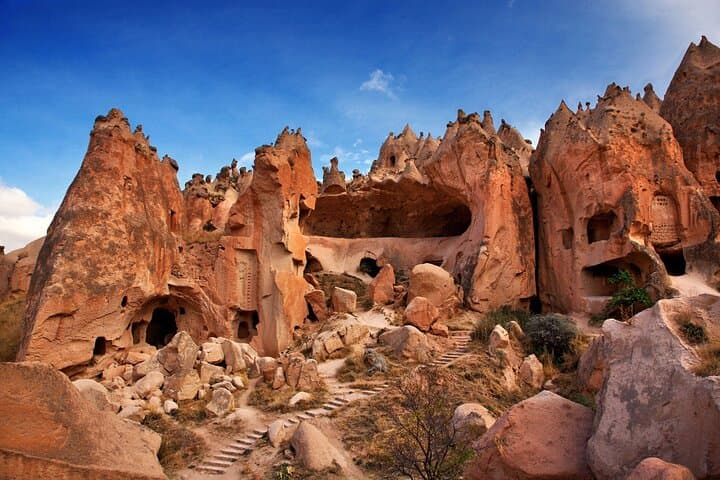
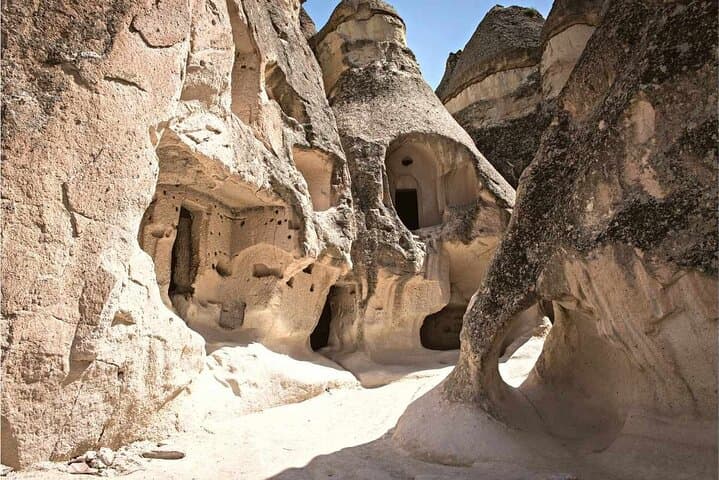
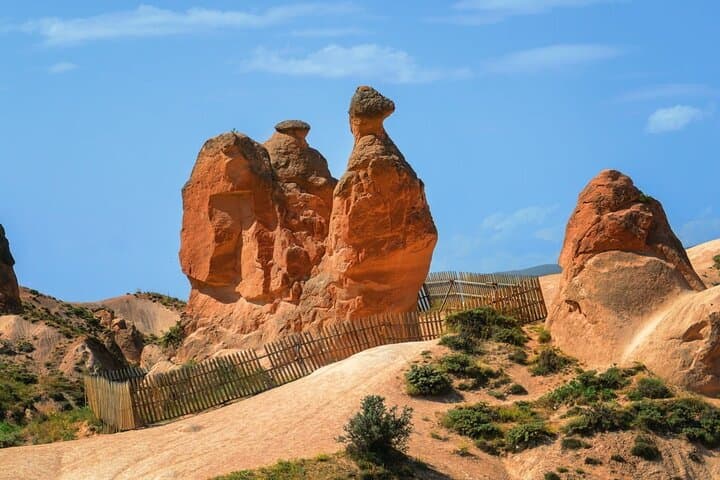
You step onto the shuttle before dawn and the bus eases away from Göreme, the plateau opening like a raw, ochre map under a pale sky. By the time the guide points out the first outcroppings at Pasabag, the rock pillars—fairy chimneys—are already throwing long, theatrical shadows. Walking among them feels like threading a corridor through geological time: each cone, hat and fluted stem a page in the volcanic story of Cappadocia.
Verified experiences and guided adventures in the surrounding area.
Operated by Perimelis Travel Agency · Göreme, Nevşehir
You step onto the shuttle before dawn and the bus eases away from Göreme, the plateau opening like a raw, ochre map under a pale sky. By the time the guide points out the first outcroppings at Pasabag, the rock pillars—fairy chimneys—are already throwing long, theatrical shadows. Walking among them feels like threading a corridor through geological time: each cone, hat and fluted stem a page in the volcanic story of Cappadocia.
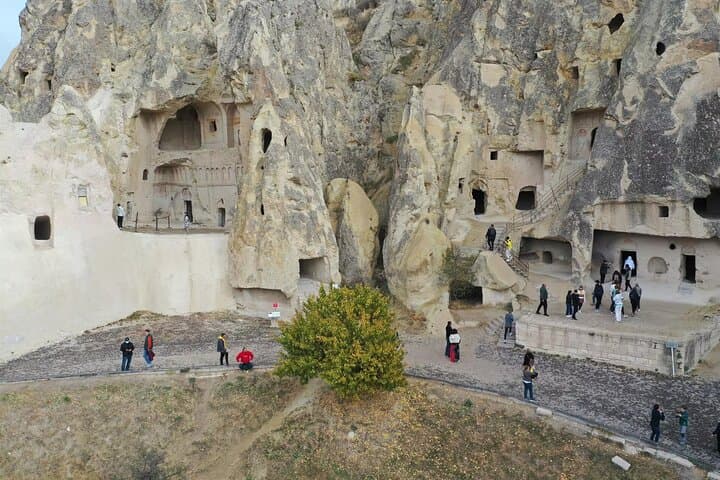
This full-day Red Tour covers about 6–7 hours on a loop that pairs geology with human history. The landscape here was sculpted by ash and tuff from Erciyes and Hasan volcanoes some 5–9 million years ago; wind and seasonal water carved the soft layers into the chimneys and valleys you’ll explore. Byzantium left its mark too: cave churches and carved refuges are scattered through the region, evidence of communities who hollowed the stone for shelter and worship in late antiquity.
Culturally the day pivots in Avanos, where the Kızılırmak river nourishes both soil and craft. Potters here still work in studios with the same red clay local kilns used for centuries. Your guide will usually arrange a short demo and a chance to sit at the wheel—part spectacle, part hands-on lesson in regional craft economy.
Terrain is easy: expect short walks of 300–1,000 m at each stop across compacted dirt and low steps. The climb at Uchisar Castle gains roughly 80–100 m of elevation over uneven stone stairways; it’s steeper than the rest but brief. Bring shoes with decent traction for dusty slopes and narrow paths.
Practically, the tour runs 360–420 minutes, includes lunch and hotel pickup across Cappadocia, and caps shared groups at small sizes (around 13). Admission to Pasabag is usually included; other sites have no formal entry fees but may request small donations. If you’re photographing, allow extra time at Uchisar for sweeping panoramas—it’s the highest point and delivers layered views of valleys and hotels carved into rock.
Timing matters: spring and autumn give the most comfortable hiking temps; summer can be hot and bright, so plan hydration and sun protection. Leave room in your schedule for Avanos’ potteries and a slow lunch—local menus favor grilled meats, gözleme and simple salads that feel earned after a morning of walking.
Conservation-minded travelers should stick to marked trails and avoid climbing fragile chimneys. Local livelihoods depend on tourism; tipping potters and small guides sustains both craft and stewardship. This Red Tour is an efficient, sensory-first way to read Cappadocia’s geology, taste its food and meet its makers—in one deliberate day on the road.
easy.
6–7 hours.
Suitable for average fitness—able to walk short distances and climb uneven stone steps (80–100 m elevation at Uchisar).
Expect 6–7 hours (360–420 minutes) including pickup, transport between sites and lunch.
Yes—lunch is provided and typically features regional dishes like grilled meats and gözleme.
The tour includes short walks at each stop (a few hundred meters) and a steeper climb at Uchisar of about 80–100 m—overall activity is light to moderate.
Yes—pickup and drop-off from most hotels in Cappadocia is provided; the operator asks to be informed of your pickup point when booking.
Pasabag admission is typically included; other sites on the route generally have no formal fees, though some attractions or optional activities may request small payments.
The itinerary is family-friendly and listed as suitable for all fitness levels; infants must sit on an adult’s lap during transport.
Cappadocia’s caves and chimneys formed on volcanic tuff; Byzantine-era communities carved churches and homes into the stone, leaving frescoed interiors and subterranean settlements.
Erosion shapes the landscape but tourism accelerates wear—stay on marked paths, avoid climbing fragile formations and support local businesses to promote sustainable stewardship.
Perimelis Travel Agency operates guided outdoor trips and adventures with an emphasis on safety, stewardship, and memorable experiences.
You step onto the shuttle before dawn and the bus eases away from Göreme, the plateau opening like a raw, ochre map under a pale sky. By the time the guide points out the first outcroppings at Pasabag, the rock pillars—fairy chimneys—are already throwing long, theatrical shadows. Walking among them feels like threading a corridor through geological time: each cone, hat and fluted stem a page in the volcanic story of Cappadocia.
You step onto the shuttle before dawn and the bus eases away from Göreme, the plateau opening like a raw, ochre map under a pale sky. By the time the guide points out the first outcroppings at Pasabag, the rock pillars—fairy chimneys—are already throwing long, theatrical shadows. Walking among them feels like threading a corridor through geological time: each cone, hat and fluted stem a page in the volcanic story of Cappadocia.
This full-day Red Tour covers about 6–7 hours on a loop that pairs geology with human history. The landscape here was sculpted by ash and tuff from Erciyes and Hasan volcanoes some 5–9 million years ago; wind and seasonal water carved the soft layers into the chimneys and valleys you’ll explore. Byzantium left its mark too: cave churches and carved refuges are scattered through the region, evidence of communities who hollowed the stone for shelter and worship in late antiquity.
Culturally the day pivots in Avanos, where the Kızılırmak river nourishes both soil and craft. Potters here still work in studios with the same red clay local kilns used for centuries. Your guide will usually arrange a short demo and a chance to sit at the wheel—part spectacle, part hands-on lesson in regional craft economy.
Terrain is easy: expect short walks of 300–1,000 m at each stop across compacted dirt and low steps. The climb at Uchisar Castle gains roughly 80–100 m of elevation over uneven stone stairways; it’s steeper than the rest but brief. Bring shoes with decent traction for dusty slopes and narrow paths.
Practically, the tour runs 360–420 minutes, includes lunch and hotel pickup across Cappadocia, and caps shared groups at small sizes (around 13). Admission to Pasabag is usually included; other sites have no formal entry fees but may request small donations. If you’re photographing, allow extra time at Uchisar for sweeping panoramas—it’s the highest point and delivers layered views of valleys and hotels carved into rock.
Timing matters: spring and autumn give the most comfortable hiking temps; summer can be hot and bright, so plan hydration and sun protection. Leave room in your schedule for Avanos’ potteries and a slow lunch—local menus favor grilled meats, gözleme and simple salads that feel earned after a morning of walking.
Conservation-minded travelers should stick to marked trails and avoid climbing fragile chimneys. Local livelihoods depend on tourism; tipping potters and small guides sustains both craft and stewardship. This Red Tour is an efficient, sensory-first way to read Cappadocia’s geology, taste its food and meet its makers—in one deliberate day on the road.