THE ADVENTURE COLLECTIVE® · Independent discovery and booking for outdoor travel

Travel a geological timeline in a day: climb to Uçhisar Castle for panorama, wander 10th–11th century cave churches at Göreme, watch potters at the Red River and explore Pasabag’s three-headed chimneys. This full-day Red Tour blends geology, history and hands-on culture with a local lunch in Avanos.
Travel a geological timeline in a day: climb to Uçhisar Castle for panorama, wander 10th–11th century cave churches at Göreme, watch potters at the Red River and explore Pasabag’s three-headed chimneys. This full-day Red Tour blends geology, history and hands-on culture with a local lunch in Avanos.
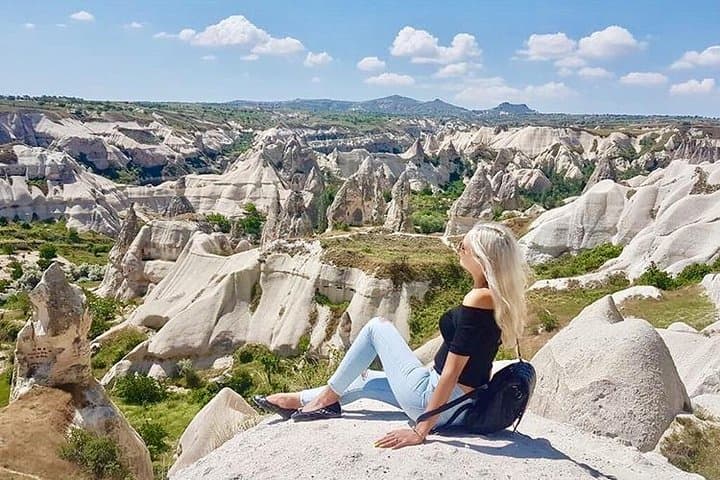
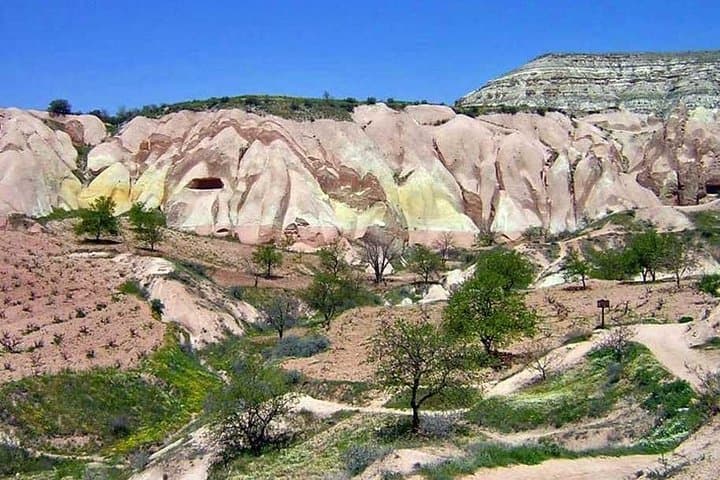
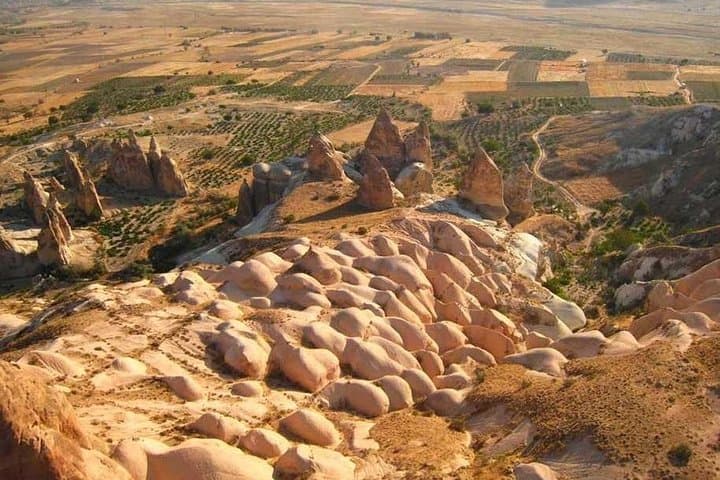
A minibus rumbles away from a sleepy hotel terrace as the valley breathes cool morning air across basalt and tuff. Through the window the landscape changes from olive orchards to a moonscape of pale spires and mushroom-capped columns — the fairy chimneys that make Cappadocia unmistakable. On this full-day Red Tour you move through geological time and human history at a steady, deliberate pace: Uçhisar’s high castle, the frescoed chapels of Göreme Open Air Museum, the three-headed pillars of Pasabag (Monks Valley), the clay-scented workshops of Avanos and the surreal contours of Devrent Valley.
Verified experiences and guided adventures in the surrounding area.
Operated by Cappadocia Travel · Göreme, Nevşehir
A minibus rumbles away from a sleepy hotel terrace as the valley breathes cool morning air across basalt and tuff. Through the window the landscape changes from olive orchards to a moonscape of pale spires and mushroom-capped columns — the fairy chimneys that make Cappadocia unmistakable. On this full-day Red Tour you move through geological time and human history at a steady, deliberate pace: Uçhisar’s high castle, the frescoed chapels of Göreme Open Air Museum, the three-headed pillars of Pasabag (Monks Valley), the clay-scented workshops of Avanos and the surreal contours of Devrent Valley.
The region’s story is written in stone. Volcanic eruptions deposited thick layers of tuff tens of thousands of years ago; wind and rain carved that soft rock into chimneys and pillars. Generations of people then hollowed that same tuff to create homes, churches and monasteries — early Christian communities transformed caves into sanctuaries covered in painted iconography in the 10th and 11th centuries. Pottery in Avanos taps a different ancient vein: artisans still work the alluvial clay from the Kızılırmak (Red River), a craft with roots stretching back millennia.
Culture here feels hands-on. Guides frame the sites with archaeological and religious context, but the human element is never far: a potter shaping a vase by touch, a farmer tending a vineyard beside a fairy chimney, a local café serving çay and gözleme. The Göreme Open Air Museum offers some of the best-preserved frescoes — the color palette dulled by time but readable enough to trace saints and narratives carved into cave walls.
Practical beat: plan on roughly 7–8 hours door-to-door. The tour includes hotel pickup in Göreme, Uçhisar or Çavuşin and returns mid-afternoon; group sizes are capped (about 18), so the rhythm is social but not crowded. Bring sturdy walking shoes: surfaces vary from paved paths and cave steps to gravel trails in valleys. Carry water, sun protection and a small pack for layers — midday sun can be intense and mornings chilly. Museum admission is included in the tour price, and a buffet lunch in Avanos gives a chance to taste regional mezes and grilled options.
Timing is part of the experience. Early morning light slants across the chimneys for the most dramatic photos; late afternoon softens contrasts and cools the air. Respect the fragile frescoed interiors — photography is usually allowed but flash can be restricted. Finally, leave no trace: the tuff erodes easily when walked on off-trail, so stick to marked paths and help preserve these carved landscapes for the generations that follow.
moderate.
7–8 hours.
Moderate: comfortable with several short walks, stairs and brief climbs inside cave sites.
Pickup starts around 09:30 from hotels in Göreme, Uçhisar or Çavuşin; be ready 30 minutes before your scheduled pickup window.
Yes — museum tickets for sites on the standard itinerary are included in the tour price.
Yes — a buffet-style lunch in Avanos is included, offering local mezes, salads and meat and vegetarian dishes.
Yes — infants may ride in strollers and special infant seats are available; note that infants must sit on laps during transit.
Photography is generally allowed but flash may be prohibited to protect frescoes — follow your guide’s instructions.
Moderate fitness is recommended: the day involves multiple short walks, steps and uneven ground; travelers should be able to walk for 30–60 minutes at a time.
Cappadocia’s caves were carved from volcanic tuff and became an early Christian center; Avanos’ pottery tradition traces back to the Red River clay used since antiquity.
The soft tuff erodes easily—sticking to paths and following site rules helps protect frescoes and formations for future visitors.
Cappadocia Travel operates guided outdoor trips and adventures with an emphasis on safety, stewardship, and memorable experiences.
A minibus rumbles away from a sleepy hotel terrace as the valley breathes cool morning air across basalt and tuff. Through the window the landscape changes from olive orchards to a moonscape of pale spires and mushroom-capped columns — the fairy chimneys that make Cappadocia unmistakable. On this full-day Red Tour you move through geological time and human history at a steady, deliberate pace: Uçhisar’s high castle, the frescoed chapels of Göreme Open Air Museum, the three-headed pillars of Pasabag (Monks Valley), the clay-scented workshops of Avanos and the surreal contours of Devrent Valley.
A minibus rumbles away from a sleepy hotel terrace as the valley breathes cool morning air across basalt and tuff. Through the window the landscape changes from olive orchards to a moonscape of pale spires and mushroom-capped columns — the fairy chimneys that make Cappadocia unmistakable. On this full-day Red Tour you move through geological time and human history at a steady, deliberate pace: Uçhisar’s high castle, the frescoed chapels of Göreme Open Air Museum, the three-headed pillars of Pasabag (Monks Valley), the clay-scented workshops of Avanos and the surreal contours of Devrent Valley.
The region’s story is written in stone. Volcanic eruptions deposited thick layers of tuff tens of thousands of years ago; wind and rain carved that soft rock into chimneys and pillars. Generations of people then hollowed that same tuff to create homes, churches and monasteries — early Christian communities transformed caves into sanctuaries covered in painted iconography in the 10th and 11th centuries. Pottery in Avanos taps a different ancient vein: artisans still work the alluvial clay from the Kızılırmak (Red River), a craft with roots stretching back millennia.
Culture here feels hands-on. Guides frame the sites with archaeological and religious context, but the human element is never far: a potter shaping a vase by touch, a farmer tending a vineyard beside a fairy chimney, a local café serving çay and gözleme. The Göreme Open Air Museum offers some of the best-preserved frescoes — the color palette dulled by time but readable enough to trace saints and narratives carved into cave walls.
Practical beat: plan on roughly 7–8 hours door-to-door. The tour includes hotel pickup in Göreme, Uçhisar or Çavuşin and returns mid-afternoon; group sizes are capped (about 18), so the rhythm is social but not crowded. Bring sturdy walking shoes: surfaces vary from paved paths and cave steps to gravel trails in valleys. Carry water, sun protection and a small pack for layers — midday sun can be intense and mornings chilly. Museum admission is included in the tour price, and a buffet lunch in Avanos gives a chance to taste regional mezes and grilled options.
Timing is part of the experience. Early morning light slants across the chimneys for the most dramatic photos; late afternoon softens contrasts and cools the air. Respect the fragile frescoed interiors — photography is usually allowed but flash can be restricted. Finally, leave no trace: the tuff erodes easily when walked on off-trail, so stick to marked paths and help preserve these carved landscapes for the generations that follow.