THE ADVENTURE COLLECTIVE® · Independent discovery and booking for outdoor travel

Spend a full day cruising the Red Sea from Sharm El-Sheikh to Ras Mohamed National Park and White Island, with guided snorkeling stops, a buffet lunch aboard and time on a shifting white sandbar. Expect vibrant reefs, possible turtle sightings and easy swimming suited to most travelers.
Spend a full day cruising the Red Sea from Sharm El-Sheikh to Ras Mohamed National Park and White Island, with guided snorkeling stops, a buffet lunch aboard and time on a shifting white sandbar. Expect vibrant reefs, possible turtle sightings and easy swimming suited to most travelers.
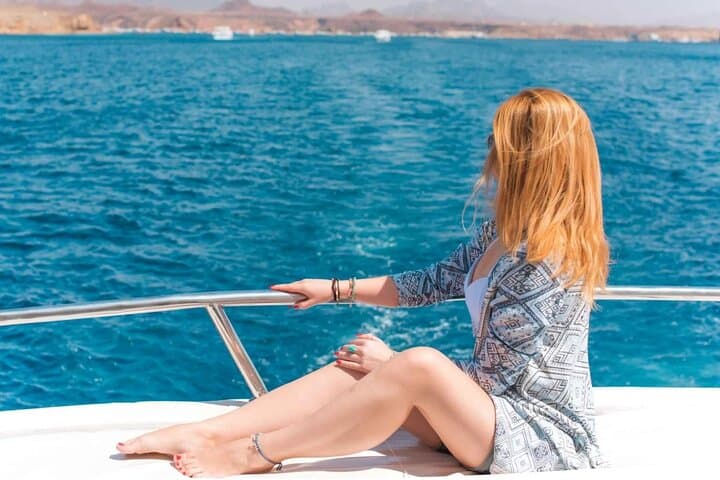
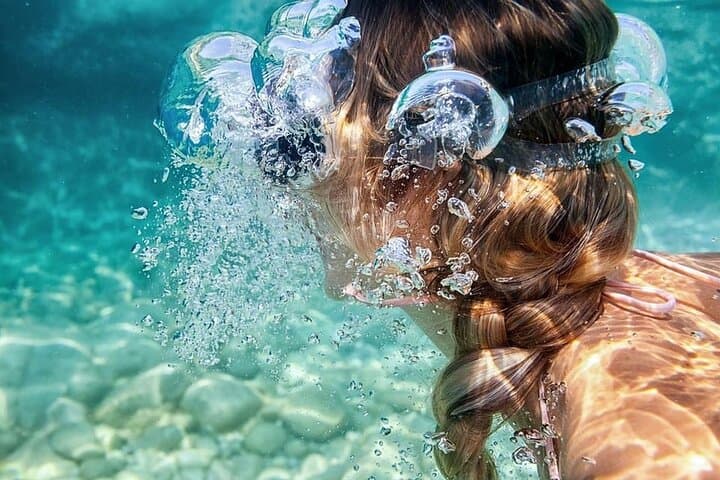
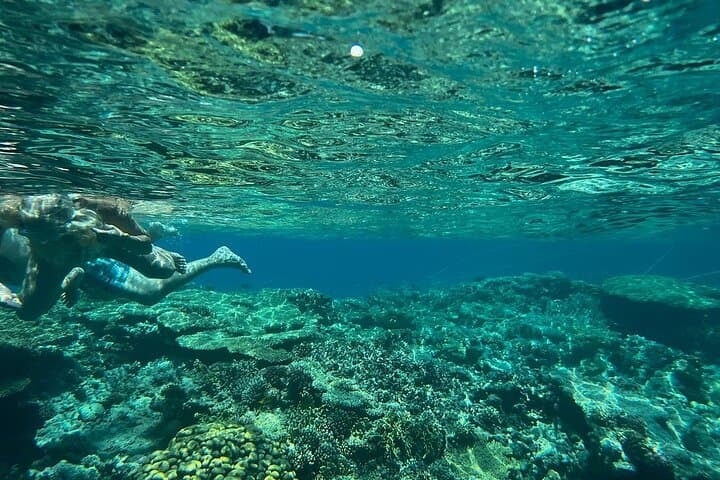
You push off from Sharm El-Sheikh as the town shrinks into a low line on the horizon and the Red Sea opens like a wide, warm road. The boat hums forward and the air tastes faintly of salt and diesel; a crew briefing narrows your focus to masks, fins and the patchwork reef ahead. When you slip beneath the surface the world changes—corals stand like strange gardens, parrotfish crop the rocks and the current teases you toward deeper color.
Verified experiences and guided adventures in the surrounding area.
Operated by Aria tours · Sharm El-Sheikh, South Sinai
You push off from Sharm El-Sheikh as the town shrinks into a low line on the horizon and the Red Sea opens like a wide, warm road. The boat hums forward and the air tastes faintly of salt and diesel; a crew briefing narrows your focus to masks, fins and the patchwork reef ahead. When you slip beneath the surface the world changes—corals stand like strange gardens, parrotfish crop the rocks and the current teases you toward deeper color.
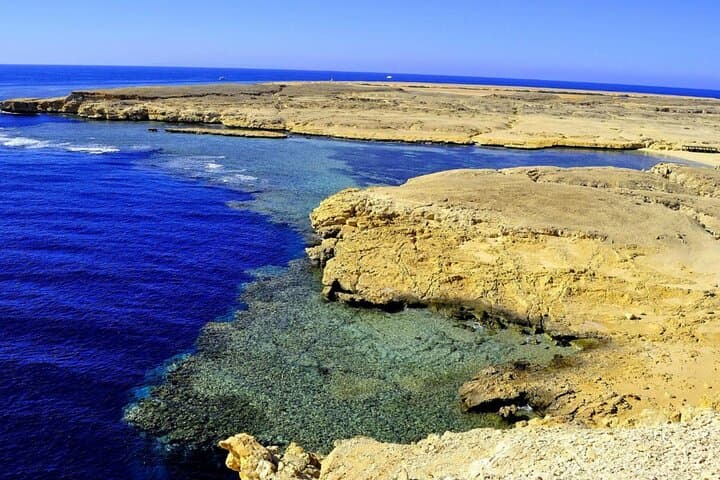
Ras Mohamed, Egypt’s first national park (established 1983), marks Sinai’s southern tip where Sinai’s limestone cliffs meet reef. White Island is a living sandbar that appears and vanishes with the tide, a place of bright sand and shallow snorkeling on calm days. The geology here — uplifted coral platforms and faulted limestone — creates channels and drop-offs that concentrate marine life and make for dramatic underwater topography.
Culturally, the Red Sea has long connected trade routes and local Bedouin communities; today tourism is a major lifeline tied closely to healthy reefs. Guides on the boat will point out features and watch for turtles and reef sharks while you rotate between two snorkeling stops and a relaxed island walk.
Practical matters: expect a full-day rhythm—hotel pickup, a few snorkel sessions, buffet lunch aboard and return by late afternoon. Bring a fitted mask or rent one, use reef-safe sunscreen, hydrate and wear water shoes for the sand and coral flats. Timing your visit for morning light or an outgoing tide improves visibility and keeps the day comfortable under the Egyptian sun.
easy.
7 hours.
Suitable for most fitness levels; basic swimming ability and comfort in open water are helpful
Currents vary by spot and tide—guides typically choose sheltered areas for most guests; stronger currents may occur near channels and drop-offs, and guides will brief you if conditions require it.
Basic snorkel equipment is often available to rent or provided by operators, but bringing your own mask improves fit and hygiene.
Yes—many operators provide flotation vests and shallower snorkeling options, but comfort in water and basic mobility are recommended for safety and enjoyment.
Yes—the trip includes a buffet lunch and soft drinks aboard; bring extra water if you prefer more or have special dietary needs.
Ras Mohamed was designated Egypt’s first national park in 1983 to protect its unique reefs and coastal landscapes; White Island is a tidal sandbar formed by currents and wind-driven sediment.
Reefs here are sensitive to pollution and anchor damage—use mooring buoys where available, avoid touching coral, and prefer reef-safe sunscreen to reduce chemical stress.
Aria tours operates guided outdoor trips and adventures with an emphasis on safety, stewardship, and memorable experiences.
You push off from Sharm El-Sheikh as the town shrinks into a low line on the horizon and the Red Sea opens like a wide, warm road. The boat hums forward and the air tastes faintly of salt and diesel; a crew briefing narrows your focus to masks, fins and the patchwork reef ahead. When you slip beneath the surface the world changes—corals stand like strange gardens, parrotfish crop the rocks and the current teases you toward deeper color.
You push off from Sharm El-Sheikh as the town shrinks into a low line on the horizon and the Red Sea opens like a wide, warm road. The boat hums forward and the air tastes faintly of salt and diesel; a crew briefing narrows your focus to masks, fins and the patchwork reef ahead. When you slip beneath the surface the world changes—corals stand like strange gardens, parrotfish crop the rocks and the current teases you toward deeper color.
Ras Mohamed, Egypt’s first national park (established 1983), marks Sinai’s southern tip where Sinai’s limestone cliffs meet reef. White Island is a living sandbar that appears and vanishes with the tide, a place of bright sand and shallow snorkeling on calm days. The geology here — uplifted coral platforms and faulted limestone — creates channels and drop-offs that concentrate marine life and make for dramatic underwater topography.
Culturally, the Red Sea has long connected trade routes and local Bedouin communities; today tourism is a major lifeline tied closely to healthy reefs. Guides on the boat will point out features and watch for turtles and reef sharks while you rotate between two snorkeling stops and a relaxed island walk.
Practical matters: expect a full-day rhythm—hotel pickup, a few snorkel sessions, buffet lunch aboard and return by late afternoon. Bring a fitted mask or rent one, use reef-safe sunscreen, hydrate and wear water shoes for the sand and coral flats. Timing your visit for morning light or an outgoing tide improves visibility and keeps the day comfortable under the Egyptian sun.