THE ADVENTURE COLLECTIVE® · Independent discovery and booking for outdoor travel

Spend a full day exploring the Red Sea’s coral gardens off Hurghada: three snorkeling stops, onboard lunch and hotel pickup make this an easy way to see turtles, rays and bright reef fish. Expect calm morning water, shallow bommies and practical safety briefings from the crew.
Spend a full day exploring the Red Sea’s coral gardens off Hurghada: three snorkeling stops, onboard lunch and hotel pickup make this an easy way to see turtles, rays and bright reef fish. Expect calm morning water, shallow bommies and practical safety briefings from the crew.
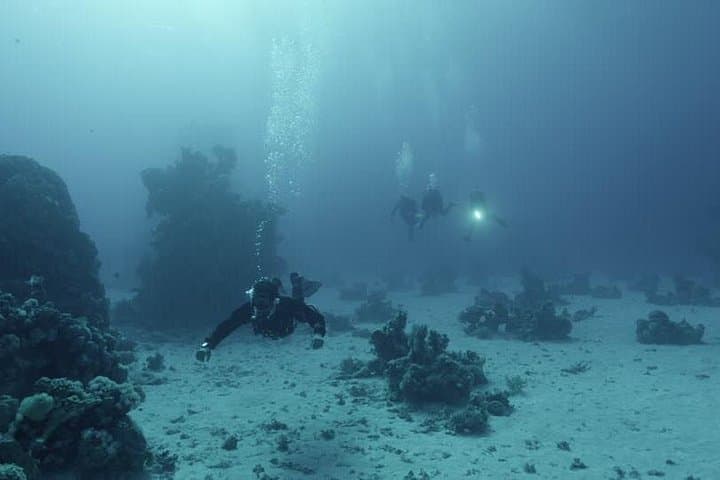
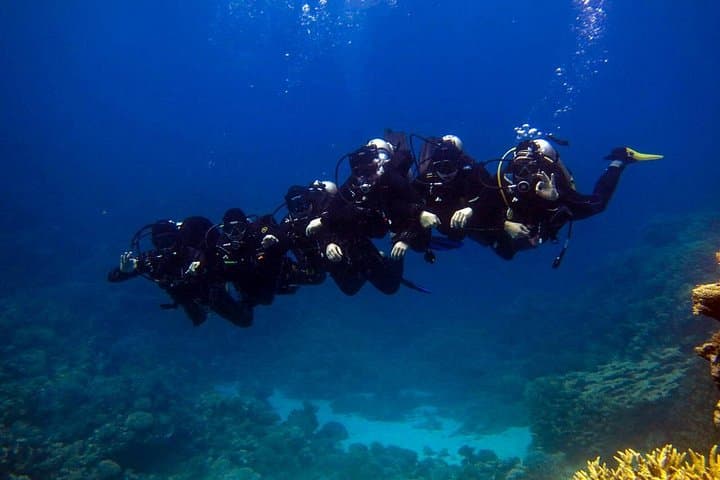
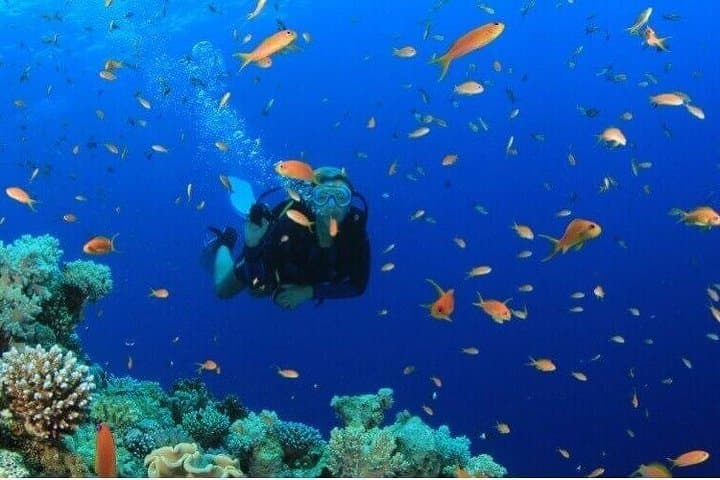
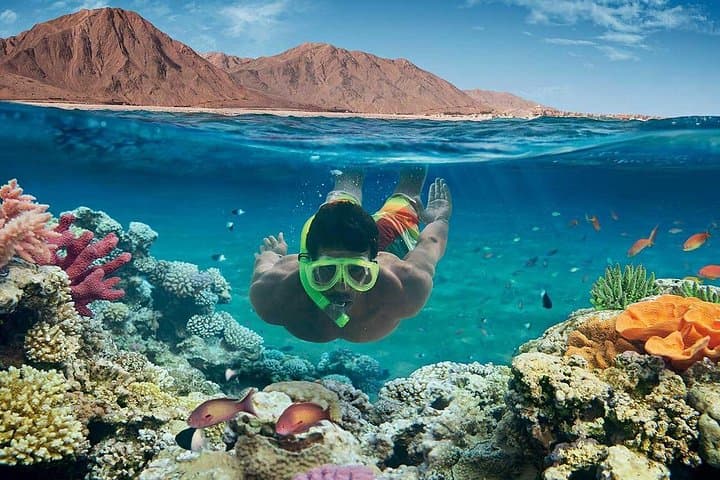
The boat eases away from Hurghada's breakwater and the city stretches back into a low line of white hotels and palms. Salt and diesel trade places on the air as the Mediterranean-blue of the Red Sea widens; the captain steers toward coral shadows that, from the deck, look like ink stains on glass. After an hour of cruising, the anchor thuds and the surface breaks into color—dazzling parrotfish, a ribbony school of fusiliers, and coral heads that rise from sand like ruins. Swimmers slip quietly into water that seems determined to show off.
Verified experiences and guided adventures in the surrounding area.
Operated by Egypt Travel Deals · Hurghada, Red Sea Governorate
The boat eases away from Hurghada's breakwater and the city stretches back into a low line of white hotels and palms. Salt and diesel trade places on the air as the Mediterranean-blue of the Red Sea widens; the captain steers toward coral shadows that, from the deck, look like ink stains on glass. After an hour of cruising, the anchor thuds and the surface breaks into color—dazzling parrotfish, a ribbony school of fusiliers, and coral heads that rise from sand like ruins. Swimmers slip quietly into water that seems determined to show off.
The Red Sea is a geological seam: a young ocean opening along the Arabian and African plates. Its reefs are built on hard volcanic and carbonate substrates, and the warm, saline water produces coral growth unlike anywhere in the Mediterranean. Hurghada itself was a small fishing town until the 1980s when tourism turned it into the region's main gateway; today its marinas launch the same traditional love of the sea but with international dive kit and buffet lunches.
This full-day trip typically visits three snorkeling sites, each selected for clear visibility and healthy reef structure. Depths at the reefs range from shallow flats (1–3 m) to bommies that plunge to 10–12 m—perfect for surface snorkeling and for swimmers wanting to drop deeper. Guides position the boat so current is a helper, not a hazard; when it picks up, the crew advises a drift-style entry. Lunch is served onboard—often grilled fish or chicken, with salads and local bread—so the trip balances bursts of activity with long, languid rests on deck.
Practical guidance: the excursion runs roughly seven hours including hotel pickup and return, and it's suitable for most fitness levels. Bring your own mask and snorkel if you prefer fit and fog-free optics; rental gear is available but can vary in quality. Reef-safe sunscreen and a thin rash guard protect both you and the coral; water shoes help on rocky docks and boat ladders. If you get seasick, take preventative medication before boarding; morning departures usually find calmer seas and better visibility.
Safety and stewardship are part of the rhythm here: crews brief swimmers, provide life vests, and ask visitors not to touch coral or feed fish. For photographers, a compact underwater housing or a small action camera captures the dense colors; shoot at shallow angles to include the shimmer of the surface.
By day’s end the sea has closed over the reefs and the boat returns toward Hurghada—wet, sunburned, and strangely quieter, as if the coral had exhorted visitors to leave it breathing room.
easy.
7 hours.
Suitable for most fitness levels; swimmers should be comfortable in open water and able to swim short distances.
Yes—participants should be comfortable in open water; life vests are available for less confident swimmers and non-swimmers can stay on deck.
Yes, basic snorkel equipment is provided, but many travelers bring their own mask and snorkel for better fit and visibility.
Water ranges by season—roughly 21–24°C in winter and 27–30°C in summer—so a thin wetsuit or rash guard is useful outside peak summer months.
Encounters with sea turtles and eagle rays are common but not guaranteed; guides choose sites with frequent sightings to maximize chances.
Pickup from Hurghada hotels is included; you’ll be given a pickup window—plan to be ready about 60 minutes before departure time.
Yes—compact housings or action cameras work best; avoid touching the reef or disturbing wildlife while framing shots.
The Red Sea has been a trade corridor for millennia; coral reefs here grew on both volcanic and marine sediments as the basin widened over the past several million years.
Local operators emphasize reef protection—use reef-safe products, avoid standing on coral, and follow guide instructions to minimize impact.
Egypt Travel Deals operates guided outdoor trips and adventures with an emphasis on safety, stewardship, and memorable experiences.
The boat eases away from Hurghada's breakwater and the city stretches back into a low line of white hotels and palms. Salt and diesel trade places on the air as the Mediterranean-blue of the Red Sea widens; the captain steers toward coral shadows that, from the deck, look like ink stains on glass. After an hour of cruising, the anchor thuds and the surface breaks into color—dazzling parrotfish, a ribbony school of fusiliers, and coral heads that rise from sand like ruins. Swimmers slip quietly into water that seems determined to show off.
The boat eases away from Hurghada's breakwater and the city stretches back into a low line of white hotels and palms. Salt and diesel trade places on the air as the Mediterranean-blue of the Red Sea widens; the captain steers toward coral shadows that, from the deck, look like ink stains on glass. After an hour of cruising, the anchor thuds and the surface breaks into color—dazzling parrotfish, a ribbony school of fusiliers, and coral heads that rise from sand like ruins. Swimmers slip quietly into water that seems determined to show off.
The Red Sea is a geological seam: a young ocean opening along the Arabian and African plates. Its reefs are built on hard volcanic and carbonate substrates, and the warm, saline water produces coral growth unlike anywhere in the Mediterranean. Hurghada itself was a small fishing town until the 1980s when tourism turned it into the region's main gateway; today its marinas launch the same traditional love of the sea but with international dive kit and buffet lunches.
This full-day trip typically visits three snorkeling sites, each selected for clear visibility and healthy reef structure. Depths at the reefs range from shallow flats (1–3 m) to bommies that plunge to 10–12 m—perfect for surface snorkeling and for swimmers wanting to drop deeper. Guides position the boat so current is a helper, not a hazard; when it picks up, the crew advises a drift-style entry. Lunch is served onboard—often grilled fish or chicken, with salads and local bread—so the trip balances bursts of activity with long, languid rests on deck.
Practical guidance: the excursion runs roughly seven hours including hotel pickup and return, and it's suitable for most fitness levels. Bring your own mask and snorkel if you prefer fit and fog-free optics; rental gear is available but can vary in quality. Reef-safe sunscreen and a thin rash guard protect both you and the coral; water shoes help on rocky docks and boat ladders. If you get seasick, take preventative medication before boarding; morning departures usually find calmer seas and better visibility.
Safety and stewardship are part of the rhythm here: crews brief swimmers, provide life vests, and ask visitors not to touch coral or feed fish. For photographers, a compact underwater housing or a small action camera captures the dense colors; shoot at shallow angles to include the shimmer of the surface.
By day’s end the sea has closed over the reefs and the boat returns toward Hurghada—wet, sunburned, and strangely quieter, as if the coral had exhorted visitors to leave it breathing room.