THE ADVENTURE COLLECTIVE® · Independent discovery and booking for outdoor travel

Walk through Cappadocia's Red and Rose Valleys to see wind-sculpted tuff, cave churches and pigeon houses. This 1–3 hour guided hike balances geology, history and dramatic light—ideal for photographers and curious hikers.
Walk through Cappadocia's Red and Rose Valleys to see wind-sculpted tuff, cave churches and pigeon houses. This 1–3 hour guided hike balances geology, history and dramatic light—ideal for photographers and curious hikers.
A narrow path threads between honeycomb cliffs and sculpted spires as morning light sharpens every crease in the tuff. You move with the slope, the valley walls nudging you onward; red and rose tones shift from burnt copper to soft blush as the sun climbs. Wind-carved chimneys and man-made caves appear in the cliffs—small doors and chapel windows cut into a landscape that reads like a slow-built city of stone.
Verified experiences and guided adventures in the surrounding area.
Operated by Tour Guide Emrullah · Göreme, Nevşehir
A narrow path threads between honeycomb cliffs and sculpted spires as morning light sharpens every crease in the tuff. You move with the slope, the valley walls nudging you onward; red and rose tones shift from burnt copper to soft blush as the sun climbs. Wind-carved chimneys and man-made caves appear in the cliffs—small doors and chapel windows cut into a landscape that reads like a slow-built city of stone.
This route follows valleys formed from volcanic tuff, shaped over millennia by erosion and human hands. Byzantine and earlier Christian communities carved pigeon houses, chapels and tunnels here; many rock churches still show simple fresco niches and ashlar entrances. Locals harvested the soft stone for dwellings and used the valleys for seasonal grazing, leaving behind a layered cultural footprint that your guide will point out between viewpoints.
Expect varied terrain: packed dirt, loose scree on short descents, and narrow tracks that skirt cliff edges. The hike is ideal for photographers at golden hour, as the colors deepen; it's also a lesson in geology—how ash, lava and water collaborate to make strange, walkable sculptures.
Practical guidance: wear grippy hiking shoes and sun protection, bring 1–2 liters of water, and plan for 1–3 hours depending on pace and stops. Trails are unshaded in sections and can be dusty; follow your guide, stay on marked routes to protect fragile formations, and time the walk for cooler hours in summer or for sunset glow in shoulder seasons.
moderate.
1–3 hours.
Moderate fitness—able to hike uneven terrain and manage short climbs/descents for up to a few hours
Tours typically last 1–3 hours and are rated moderate—expect uneven ground, short climbs and some loose scree but no technical climbing.
A licensed local guide leads the tour; no prior hiking experience is required beyond basic mobility and moderate fitness.
Bring a wide-angle lens for valley panoramas and a telephoto for distant chimneys; a tripod helps for low-light golden hour shots.
Not recommended for travelers with serious spinal or mobility problems due to uneven surfaces and narrow sections; older children who can handle hikes are usually fine.
The valleys host rock-cut chapels and pigeon houses used by Byzantine and earlier communities; the soft tuff allowed extensive subterranean and cliff-side construction.
Tuff is easily eroded—stick to trails, avoid touching frescoes, and support local guides who manage visitor impact to protect fragile sites.
Tour Guide Emrullah operates guided outdoor trips and adventures with an emphasis on safety, stewardship, and memorable experiences.
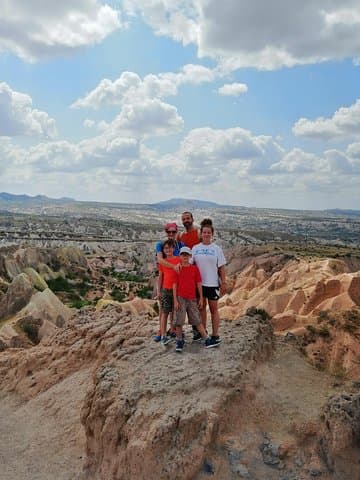
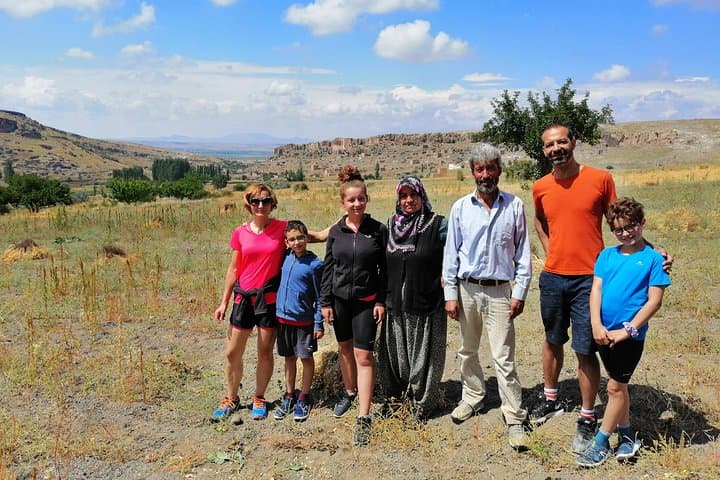
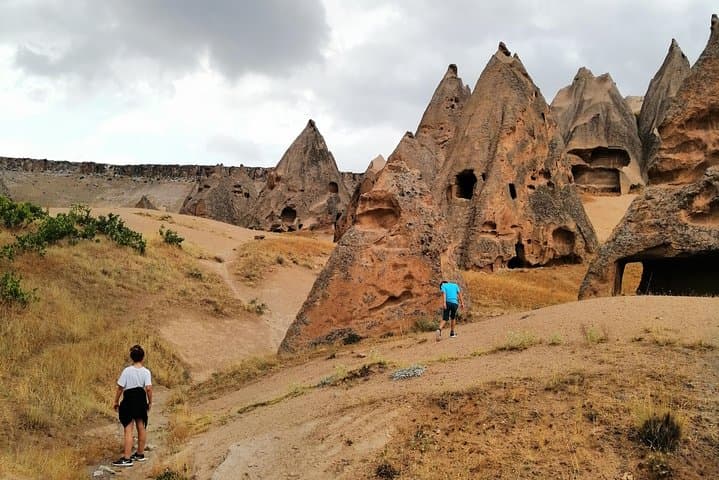
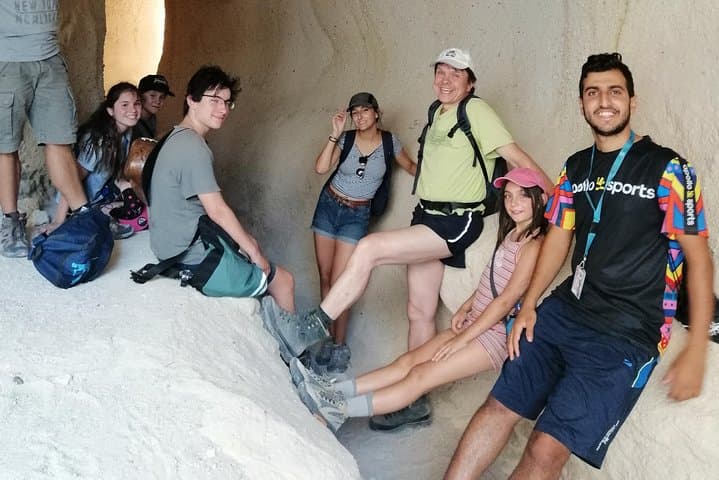
A narrow path threads between honeycomb cliffs and sculpted spires as morning light sharpens every crease in the tuff. You move with the slope, the valley walls nudging you onward; red and rose tones shift from burnt copper to soft blush as the sun climbs. Wind-carved chimneys and man-made caves appear in the cliffs—small doors and chapel windows cut into a landscape that reads like a slow-built city of stone.
A narrow path threads between honeycomb cliffs and sculpted spires as morning light sharpens every crease in the tuff. You move with the slope, the valley walls nudging you onward; red and rose tones shift from burnt copper to soft blush as the sun climbs. Wind-carved chimneys and man-made caves appear in the cliffs—small doors and chapel windows cut into a landscape that reads like a slow-built city of stone.
This route follows valleys formed from volcanic tuff, shaped over millennia by erosion and human hands. Byzantine and earlier Christian communities carved pigeon houses, chapels and tunnels here; many rock churches still show simple fresco niches and ashlar entrances. Locals harvested the soft stone for dwellings and used the valleys for seasonal grazing, leaving behind a layered cultural footprint that your guide will point out between viewpoints.
Expect varied terrain: packed dirt, loose scree on short descents, and narrow tracks that skirt cliff edges. The hike is ideal for photographers at golden hour, as the colors deepen; it's also a lesson in geology—how ash, lava and water collaborate to make strange, walkable sculptures.
Practical guidance: wear grippy hiking shoes and sun protection, bring 1–2 liters of water, and plan for 1–3 hours depending on pace and stops. Trails are unshaded in sections and can be dusty; follow your guide, stay on marked routes to protect fragile formations, and time the walk for cooler hours in summer or for sunset glow in shoulder seasons.