THE ADVENTURE COLLECTIVE® · Independent discovery and booking for outdoor travel

Start your morning at Red Rocks and climb the Morrison Slide Trail for expansive Front Range views, local geology, and a coffee stop in Golden. This 4‑hour guided outing packs big scenery into a manageable climb for visitors short on time.
Start your morning at Red Rocks and climb the Morrison Slide Trail for expansive Front Range views, local geology, and a coffee stop in Golden. This 4‑hour guided outing packs big scenery into a manageable climb for visitors short on time.
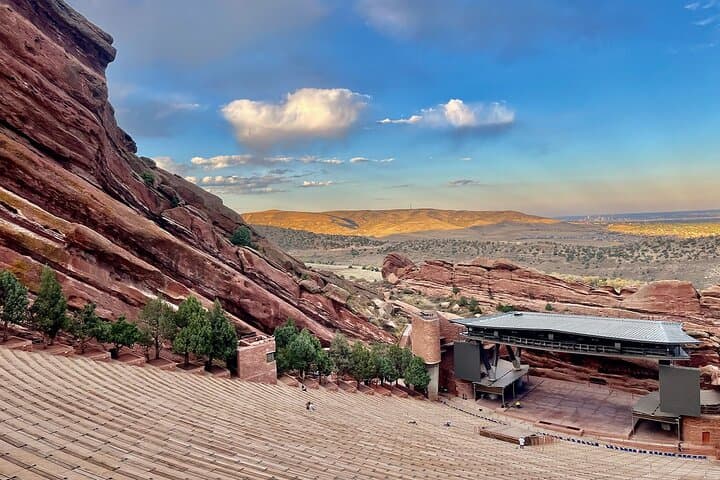
Dawn arrives cool and sharp against the iron-red walls of Red Rocks Park. You meet the group under the flagpole at Union Station, and the city’s hum peels away as the van pushes west. By the time you step onto the amphitheater’s stone terraces, the rock has absorbed a pale gold; the air smells of dry grass and juniper. Guide Gem unfurls a local map, points to the Morrison Slide Trail and warns, with a grin, that the cliffs have more stories than the town of Golden. You climb.
Verified experiences and guided adventures in the surrounding area.
Operated by Aspire Tours · Morrison, Colorado
Dawn arrives cool and sharp against the iron-red walls of Red Rocks Park. You meet the group under the flagpole at Union Station, and the city’s hum peels away as the van pushes west. By the time you step onto the amphitheater’s stone terraces, the rock has absorbed a pale gold; the air smells of dry grass and juniper. Guide Gem unfurls a local map, points to the Morrison Slide Trail and warns, with a grin, that the cliffs have more stories than the town of Golden. You climb.
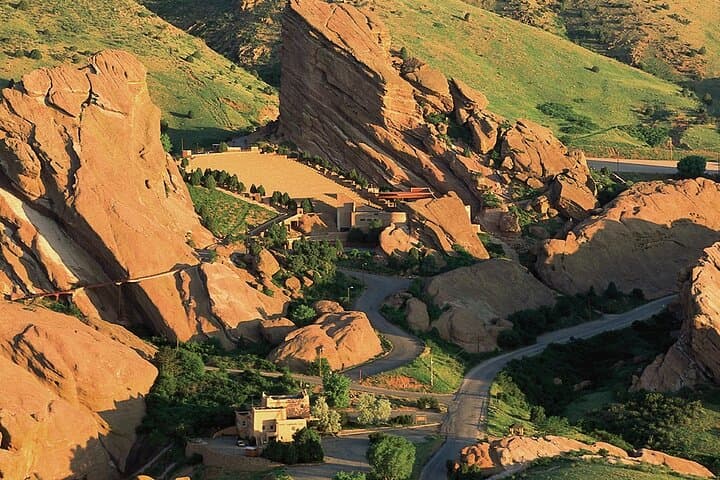
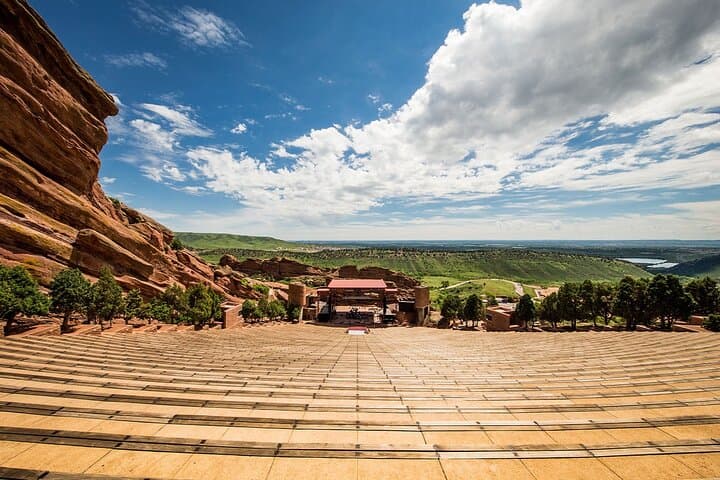
The hike covers two to three miles of singletrack and switchbacks, rising on sandstone outcrops that were tilted vertical by ancient forces. The rocks belong to the Fountain Formation — slabs of reddened sand and conglomerate laid down hundreds of millions of years ago, later pushed up by the Laramide orogeny that formed the Front Range. The amphitheater itself carries human history: what started as informal concerts matured into the WPA-era construction of the 1930s and the venue that officially opened in 1941. Today the stage frames the valley like a natural theater where geology and culture meet.
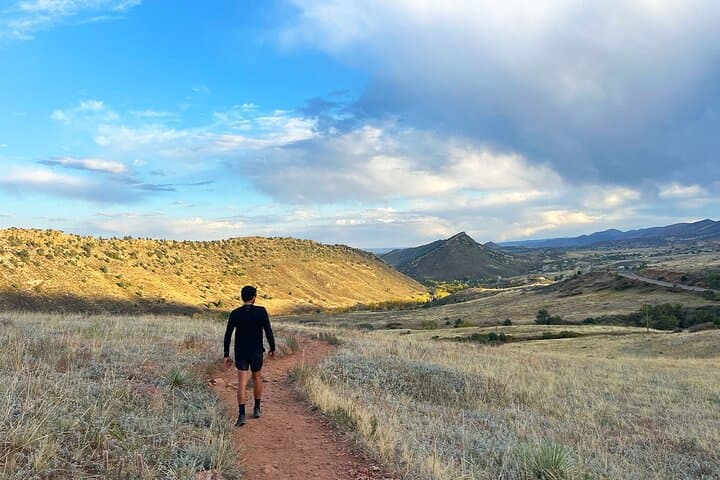
As you make the moderate ascent to the Morrison Slide summit, the landscape changes from theater stone to scrubby foothills; prairie dogs watch you pass, and red-tailed hawks quarter the air. The summit rewards with a wide-angle view of the Front Range and the municipal grid unspooling toward Denver. Descend into Golden afterward for coffee at a local shop—an intentional pause to collect warmth and conversation before the return to the city.
Practicalities matter here: at roughly 6,300 feet at Red Rocks and higher on the ridge, the air is thinner than downtown Denver. Move deliberately, hydrate early and often, and plan for sun, wind, or an afternoon squall. The route is well-marked but uneven — expect roots, loose stone and short steep pitches. Guides carry water refills and know quick exits, but guests should come prepared with appropriate footwear, a light pack, and weather layers.
Timing is everything: mornings are cooler, light is crisper for photos, and the trail empties before midday traffic. If you have only half a day in the Front Range and want a high-return experience — dramatic geology, a manageable workout and a taste of mountain-town life — this tour is designed to deliver. It’s an efficient, human-scale way to touch Colorado’s raw edges without a full-day commitment.
moderate.
4 hours.
Moderate — regular walkers or occasional hikers will be comfortable; expect short steep sections and uneven terrain.
Meet under the large American flagpole on the south side of Union Station at 1701 Wynkoop Street; the guide departs promptly—arrive at least 10 minutes early.
The full outing is about 4 hours with a 2–3 mile moderate hike featuring uneven terrain and short climbs; it’s suitable for people in moderate physical condition.
Yes—Red Rocks sits around 6,300 ft and summit sections are higher; drink water, pace yourself and avoid overexertion if you’re not acclimated.
Yes, the minimum age is 8, but guests should be capable of moderate uphill hiking and wearing proper footwear.
Tours can be canceled for bad weather; waterproof footwear and layers are recommended from November to April, and guides will advise on conditions.
Yes—roundtrip transportation from the Union Station meeting point to Red Rocks and back is included in the tour price.
The amphitheatre was developed during the 1930s–40s and opened as a formal performance venue in 1941; the red sandstone itself is part of the Fountain Formation uplifted by the Laramide orogeny.
Red Rocks is managed for both recreation and preservation—practice Leave No Trace, use designated trails to prevent erosion, and use refill stations to reduce plastic waste.
Aspire Tours operates guided outdoor trips and adventures with an emphasis on safety, stewardship, and memorable experiences.
Dawn arrives cool and sharp against the iron-red walls of Red Rocks Park. You meet the group under the flagpole at Union Station, and the city’s hum peels away as the van pushes west. By the time you step onto the amphitheater’s stone terraces, the rock has absorbed a pale gold; the air smells of dry grass and juniper. Guide Gem unfurls a local map, points to the Morrison Slide Trail and warns, with a grin, that the cliffs have more stories than the town of Golden. You climb.
Dawn arrives cool and sharp against the iron-red walls of Red Rocks Park. You meet the group under the flagpole at Union Station, and the city’s hum peels away as the van pushes west. By the time you step onto the amphitheater’s stone terraces, the rock has absorbed a pale gold; the air smells of dry grass and juniper. Guide Gem unfurls a local map, points to the Morrison Slide Trail and warns, with a grin, that the cliffs have more stories than the town of Golden. You climb.
The hike covers two to three miles of singletrack and switchbacks, rising on sandstone outcrops that were tilted vertical by ancient forces. The rocks belong to the Fountain Formation — slabs of reddened sand and conglomerate laid down hundreds of millions of years ago, later pushed up by the Laramide orogeny that formed the Front Range. The amphitheater itself carries human history: what started as informal concerts matured into the WPA-era construction of the 1930s and the venue that officially opened in 1941. Today the stage frames the valley like a natural theater where geology and culture meet.
As you make the moderate ascent to the Morrison Slide summit, the landscape changes from theater stone to scrubby foothills; prairie dogs watch you pass, and red-tailed hawks quarter the air. The summit rewards with a wide-angle view of the Front Range and the municipal grid unspooling toward Denver. Descend into Golden afterward for coffee at a local shop—an intentional pause to collect warmth and conversation before the return to the city.
Practicalities matter here: at roughly 6,300 feet at Red Rocks and higher on the ridge, the air is thinner than downtown Denver. Move deliberately, hydrate early and often, and plan for sun, wind, or an afternoon squall. The route is well-marked but uneven — expect roots, loose stone and short steep pitches. Guides carry water refills and know quick exits, but guests should come prepared with appropriate footwear, a light pack, and weather layers.
Timing is everything: mornings are cooler, light is crisper for photos, and the trail empties before midday traffic. If you have only half a day in the Front Range and want a high-return experience — dramatic geology, a manageable workout and a taste of mountain-town life — this tour is designed to deliver. It’s an efficient, human-scale way to touch Colorado’s raw edges without a full-day commitment.