THE ADVENTURE COLLECTIVE® · Independent discovery and booking for outdoor travel

Leave the Strip for a half‑day escape into the red sandstone walls and petroglyph panels of Red Rock Canyon. This small‑group tour from Las Vegas pairs a 13‑mile scenic drive with short hikes, guided geology, and time for photos at classic overlooks.
Leave the Strip for a half‑day escape into the red sandstone walls and petroglyph panels of Red Rock Canyon. This small‑group tour from Las Vegas pairs a 13‑mile scenic drive with short hikes, guided geology, and time for photos at classic overlooks.
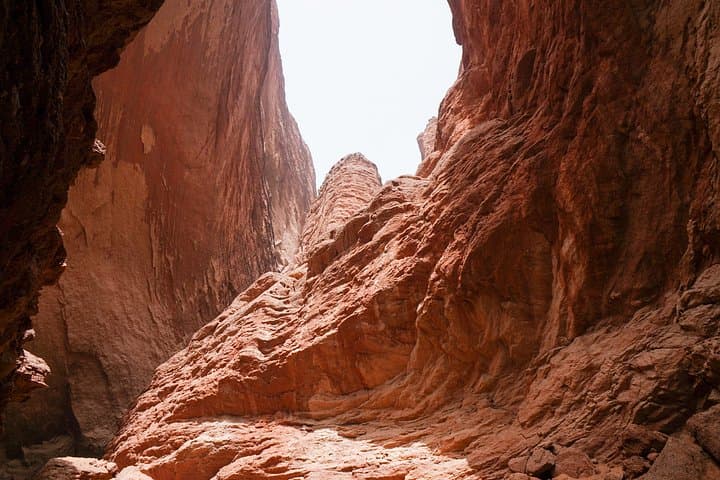
You pull away from the neon glare of the Strip before sunrise, the Mercedes‑Benz Sprinter humming a quiet reassurance as Las Vegas shrinks behind you. The air sharpens with desert coolness and, within 30 minutes, the city’s heat gives way to a landscape that looks cut from a different planet: red sandstone walls folded like pages of an ancient book, washes that channel the sky, and scrub that clings to life with patient stubbornness.
Verified experiences and guided adventures in the surrounding area.
Operated by Grand Canyon Destinations · Las Vegas, Nevada
You pull away from the neon glare of the Strip before sunrise, the Mercedes‑Benz Sprinter humming a quiet reassurance as Las Vegas shrinks behind you. The air sharpens with desert coolness and, within 30 minutes, the city’s heat gives way to a landscape that looks cut from a different planet: red sandstone walls folded like pages of an ancient book, washes that channel the sky, and scrub that clings to life with patient stubbornness.
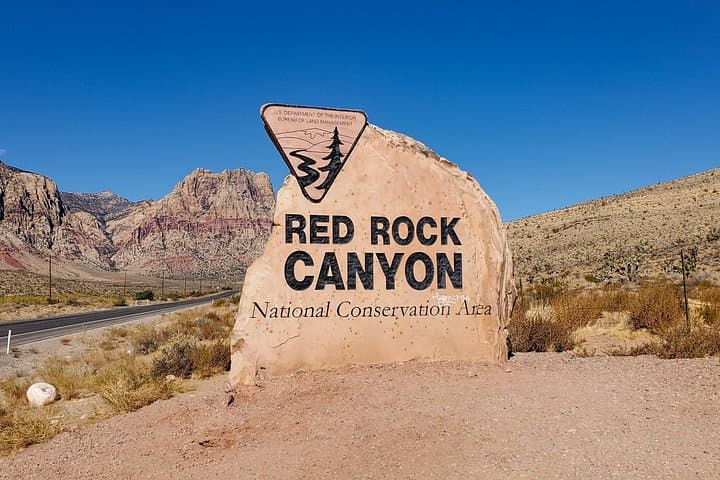
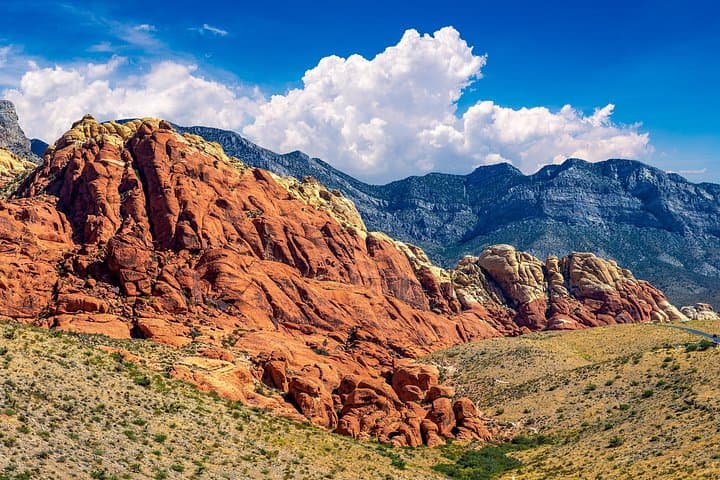
Red Rock Canyon National Conservation Area sits less than 20 miles west of central Las Vegas, but its geology feels far older and stranger than any casino facade. A one‑way, 13‑mile scenic loop threads the park, bringing you to overlooks, short trailheads and petroglyph panels. The sandstone cliffs — products of thrust faults like the Keystone Thrust — rise as much as 3,000 feet, and La Madre Mountain crests at 8,154 feet, a high point that once directed seasonal water and human movement across this basin.
Human stories are etched here as well. Southern Paiute bands and earlier Desert Culture peoples used this corridor for hunting and gathering; pottery shards and rock art remain in protected places. On the tour, guides point to panels where ancient hands left symbols and to old desert tortoise habitats at the visitor center, tying the visible landscape to millennia of life in an arid climate.
The small‑group format matters here. With room for conversation and time to disembark, the guide can place the highlights — an overlook with a wide sweep of red roofs, a wash walk ending at pay‑dirt petroglyphs, and the Visitor Center’s interpretive exhibits — into context. Walks are short: expect 20–30 minute stops that require only light, uneven footing. Wildlife moves slowly and deliberately; you may see jackrabbits, canyon wrens, and, if you’re lucky, a bighorn sheep cresting a ridge.
Practicalities are simple but useful. Pickup from selected Strip and downtown hotels begins early to maximize midday light in the canyon; total tour time runs about 5–6 hours. Bring sturdy shoes, sun protection, at least 1–2 liters of water, and a small daypack for layers and camera gear. The operator supplies bottled water and handles all admissions, but weather can change plans — a sudden storm will close certain trails and the operator may alter the route.
For photographers, aim for golden hour at the overlooks or the diffused light of an overcast afternoon to coax color from the red rock. Respect signs around petroglyphs — these are fragile cultural resources. The area is popular, but the small‑group pace gives you time to watch the canyon’s light change and to leave it as you found it: quieter, cooler and still full of story.
easy.
5–6 hours.
Suitable for most fitness levels; expect short, easy hikes and periods of standing during viewpoints.
The tour runs about 5–6 hours, including hotel pickup and drop‑off; pickup times are scheduled between about 5:00–6:00AM depending on location.
Yes—stops involve short walks and the tour is rated easy; infants may sit in laps and infant seats are available on request.
Yes, all admissions to Red Rock Canyon and bottled water are included in the tour price.
Yes—guides stop at protected rock art panels; visitors must observe signage and avoid touching or climbing on cultural sites.
Tours may be altered or canceled for safety due to storms or flash flood risk; the operator will notify you and offers a full refund if canceled 24 hours prior.
Yes—selected Strip and downtown hotels are pickup points; exact pickup details are provided the evening before your tour.
The area bears marks of long human use: Southern Paiute and earlier Desert Culture peoples left rock art and ephemeral camp sites tied to seasonal water sources.
Red Rock is managed to protect geological features, cultural sites and native species—stay on roads and marked trails, pack out all trash, and avoid disturbing rock art or wildlife.
Grand Canyon Destinations operates guided outdoor trips and adventures with an emphasis on safety, stewardship, and memorable experiences.
You pull away from the neon glare of the Strip before sunrise, the Mercedes‑Benz Sprinter humming a quiet reassurance as Las Vegas shrinks behind you. The air sharpens with desert coolness and, within 30 minutes, the city’s heat gives way to a landscape that looks cut from a different planet: red sandstone walls folded like pages of an ancient book, washes that channel the sky, and scrub that clings to life with patient stubbornness.
You pull away from the neon glare of the Strip before sunrise, the Mercedes‑Benz Sprinter humming a quiet reassurance as Las Vegas shrinks behind you. The air sharpens with desert coolness and, within 30 minutes, the city’s heat gives way to a landscape that looks cut from a different planet: red sandstone walls folded like pages of an ancient book, washes that channel the sky, and scrub that clings to life with patient stubbornness.
Red Rock Canyon National Conservation Area sits less than 20 miles west of central Las Vegas, but its geology feels far older and stranger than any casino facade. A one‑way, 13‑mile scenic loop threads the park, bringing you to overlooks, short trailheads and petroglyph panels. The sandstone cliffs — products of thrust faults like the Keystone Thrust — rise as much as 3,000 feet, and La Madre Mountain crests at 8,154 feet, a high point that once directed seasonal water and human movement across this basin.
Human stories are etched here as well. Southern Paiute bands and earlier Desert Culture peoples used this corridor for hunting and gathering; pottery shards and rock art remain in protected places. On the tour, guides point to panels where ancient hands left symbols and to old desert tortoise habitats at the visitor center, tying the visible landscape to millennia of life in an arid climate.
The small‑group format matters here. With room for conversation and time to disembark, the guide can place the highlights — an overlook with a wide sweep of red roofs, a wash walk ending at pay‑dirt petroglyphs, and the Visitor Center’s interpretive exhibits — into context. Walks are short: expect 20–30 minute stops that require only light, uneven footing. Wildlife moves slowly and deliberately; you may see jackrabbits, canyon wrens, and, if you’re lucky, a bighorn sheep cresting a ridge.
Practicalities are simple but useful. Pickup from selected Strip and downtown hotels begins early to maximize midday light in the canyon; total tour time runs about 5–6 hours. Bring sturdy shoes, sun protection, at least 1–2 liters of water, and a small daypack for layers and camera gear. The operator supplies bottled water and handles all admissions, but weather can change plans — a sudden storm will close certain trails and the operator may alter the route.
For photographers, aim for golden hour at the overlooks or the diffused light of an overcast afternoon to coax color from the red rock. Respect signs around petroglyphs — these are fragile cultural resources. The area is popular, but the small‑group pace gives you time to watch the canyon’s light change and to leave it as you found it: quieter, cooler and still full of story.