THE ADVENTURE COLLECTIVE® · Independent discovery and booking for outdoor travel

Leave the Strip behind for wind-cut sandstone, desert scrub, and layered cliffs. This guided, 2–2.5 hour Red Rock Canyon hike includes round-trip transport from the Mirage and gives local insight into geology, wildlife, and trail choices.
Leave the Strip behind for wind-cut sandstone, desert scrub, and layered cliffs. This guided, 2–2.5 hour Red Rock Canyon hike includes round-trip transport from the Mirage and gives local insight into geology, wildlife, and trail choices.
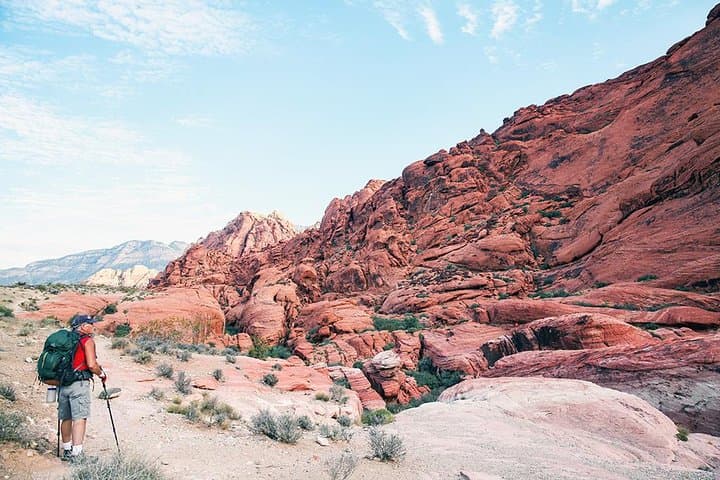
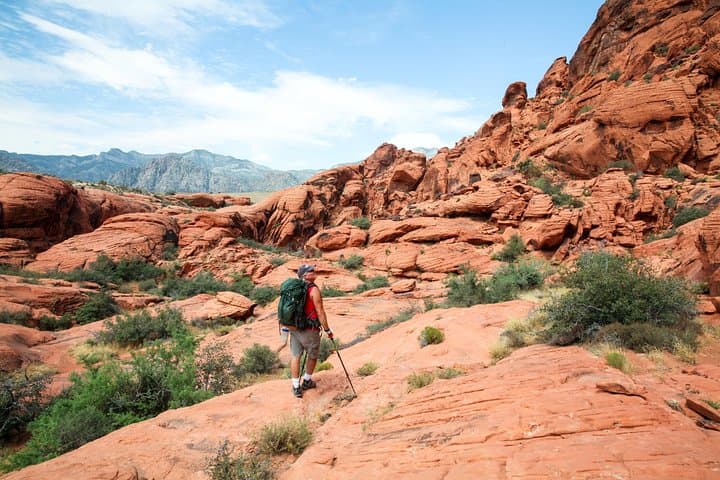
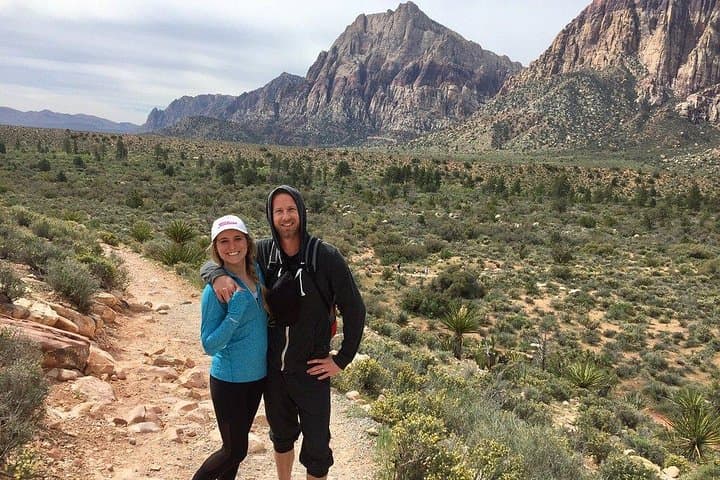
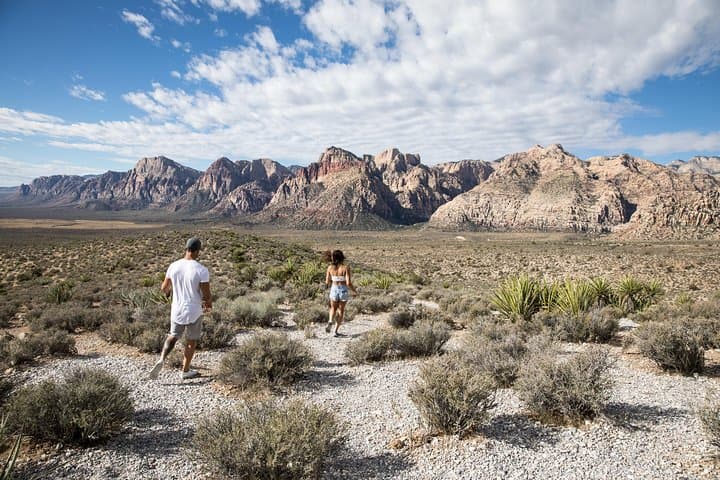
The bus eases away from the neon of the Strip and, within 30 minutes, the city’s glare is replaced by walls of red and cream sandstone bending toward the desert sky. Your guide checks water bottles, folds a map, and asks the group what they want to see: sweeping overlooks, narrow slot gullies, or the quick scramble to a viewpoint for the valley below. You step onto sun-warmed rock; the landscape does not merely sit — it leans, cracks, and dares you to move with it.
Verified experiences and guided adventures in the surrounding area.
Operated by Escape Adventures · Las Vegas, Nevada
The bus eases away from the neon of the Strip and, within 30 minutes, the city’s glare is replaced by walls of red and cream sandstone bending toward the desert sky. Your guide checks water bottles, folds a map, and asks the group what they want to see: sweeping overlooks, narrow slot gullies, or the quick scramble to a viewpoint for the valley below. You step onto sun-warmed rock; the landscape does not merely sit — it leans, cracks, and dares you to move with it.
Red Rock Canyon National Conservation Area is a geologist’s sketchbook. The sandstone here is part of the Keystone Thrust and Aztec Sandstone formations, uplifted and tilted over millions of years to create the angled fins and cross-bedded cliffs hikers now traverse. The area has long been used by Southern Paiute and early Basin-and-Range inhabitants; petroglyphs in nearby canyons and water-worn grinding holes mark human stories against the stone.
Guided hikes from Las Vegas give visitors access to the conservation area without the logistics of a rental car. Local guides balance natural history and practical route-finding — pointing out desert varnish, explaining how flash floods shape narrow canyons, and noting where the Mojave meets Great Basin flora. Wildlife is discreet but present: a bighorn sheep may silhouette on a crag, and jackrabbits and lizards animate the scrub below.
Expect a 2–2.5 hour outing on one of several popular trails; guides select the route to match group ability and interests. Typical hikes cover roughly 2–5 miles with 200–900 feet of elevation gain on uneven, sometimes slickrock terrain. Trails range from packed dirt with loose rock to short scrambling sections where handholds in the sandstone make progress feel deliberate and secure.
Practical side: departures pick up at Mirage North Valet and include round-trip, air-conditioned transport, bottled water, and the scenic loop entrance fee. Wear shoes with grippy soles — trail runners or light hiking boots — and bring layered breathable clothing, sunscreen, a hat, and sunglasses. Cell service is spotty; carry a small first-aid kit and let your guide know about any mobility concerns.
Timing matters. Mornings deliver cooler air and crisper light for photos; late afternoon softens the rocks’ red tones but summer heat can be intense. The operator requires a two-person minimum and asks guests to complete an e-waiver in advance. For visitors who want a short, real desert immersion without renting a car, this guided hike pairs local knowledge with straightforward logistics — a clear way to trade the Strip’s artificial glow for the raw angles of Red Rock’s cliffs.
moderate.
2–2.5 hours (guided hike).
Suitable for people with basic fitness who can hike 2–5 miles with short scrambles and uneven footing
Pick up is at the Mirage North Valet in Las Vegas; round-trip transport by air-conditioned coach to Red Rock is included.
The guided portion lasts about 2–2.5 hours; routes vary but typically cover 2–5 miles with 200–900 ft elevation gain—moderate fitness is recommended.
Bottled water is included; bringing a refillable bottle is advised for extra hydration during the hike.
There is a two-person minimum; if not met you may opt to pay for an additional spot directly to the operator to guarantee departure.
Restrooms are available at the visitor area before the hike; facilities inside the conservation area are limited—plan accordingly.
Service animals are allowed; standard leash and handler requirements apply and terrain may be challenging for animals.
The area shows layers of ancient sand dunes turned to rock; Southern Paiute peoples and early settlers used local water sources and left cultural marks in nearby canyons.
Red Rock is managed as a conservation area—stay on trails to protect cryptobiotic soil and carry out all trash; group sizes and vehicle access are regulated to limit impact.
Escape Adventures operates guided outdoor trips and adventures with an emphasis on safety, stewardship, and memorable experiences.
The bus eases away from the neon of the Strip and, within 30 minutes, the city’s glare is replaced by walls of red and cream sandstone bending toward the desert sky. Your guide checks water bottles, folds a map, and asks the group what they want to see: sweeping overlooks, narrow slot gullies, or the quick scramble to a viewpoint for the valley below. You step onto sun-warmed rock; the landscape does not merely sit — it leans, cracks, and dares you to move with it.
The bus eases away from the neon of the Strip and, within 30 minutes, the city’s glare is replaced by walls of red and cream sandstone bending toward the desert sky. Your guide checks water bottles, folds a map, and asks the group what they want to see: sweeping overlooks, narrow slot gullies, or the quick scramble to a viewpoint for the valley below. You step onto sun-warmed rock; the landscape does not merely sit — it leans, cracks, and dares you to move with it.
Red Rock Canyon National Conservation Area is a geologist’s sketchbook. The sandstone here is part of the Keystone Thrust and Aztec Sandstone formations, uplifted and tilted over millions of years to create the angled fins and cross-bedded cliffs hikers now traverse. The area has long been used by Southern Paiute and early Basin-and-Range inhabitants; petroglyphs in nearby canyons and water-worn grinding holes mark human stories against the stone.
Guided hikes from Las Vegas give visitors access to the conservation area without the logistics of a rental car. Local guides balance natural history and practical route-finding — pointing out desert varnish, explaining how flash floods shape narrow canyons, and noting where the Mojave meets Great Basin flora. Wildlife is discreet but present: a bighorn sheep may silhouette on a crag, and jackrabbits and lizards animate the scrub below.
Expect a 2–2.5 hour outing on one of several popular trails; guides select the route to match group ability and interests. Typical hikes cover roughly 2–5 miles with 200–900 feet of elevation gain on uneven, sometimes slickrock terrain. Trails range from packed dirt with loose rock to short scrambling sections where handholds in the sandstone make progress feel deliberate and secure.
Practical side: departures pick up at Mirage North Valet and include round-trip, air-conditioned transport, bottled water, and the scenic loop entrance fee. Wear shoes with grippy soles — trail runners or light hiking boots — and bring layered breathable clothing, sunscreen, a hat, and sunglasses. Cell service is spotty; carry a small first-aid kit and let your guide know about any mobility concerns.
Timing matters. Mornings deliver cooler air and crisper light for photos; late afternoon softens the rocks’ red tones but summer heat can be intense. The operator requires a two-person minimum and asks guests to complete an e-waiver in advance. For visitors who want a short, real desert immersion without renting a car, this guided hike pairs local knowledge with straightforward logistics — a clear way to trade the Strip’s artificial glow for the raw angles of Red Rock’s cliffs.