THE ADVENTURE COLLECTIVE® · Independent discovery and booking for outdoor travel

A short trip from Tbilisi takes you into the Red Mountains and to the cliffside cells of David Gareja. These Udabno tours mix short hikes, optional cycling or horse segments, and striking semi‑desert vistas.
A short trip from Tbilisi takes you into the Red Mountains and to the cliffside cells of David Gareja. These Udabno tours mix short hikes, optional cycling or horse segments, and striking semi‑desert vistas.
You crest a low ridge and the earth switches character — ochre and rust bands roll away like a painted map, wind pushing the dust into small, sharp drifts. In the distance the stone roofs and carved caves of David Gareja cling to a cliff, their frescoed interiors catching the sun. The air tastes of dry grass and kiln-warmed rock; horses clip-clop on saddle, and a bicycle chain hums when the group moves.
Verified experiences and guided adventures in the surrounding area.
Operated by beqa margiani · Udabno, Kakheti
You crest a low ridge and the earth switches character — ochre and rust bands roll away like a painted map, wind pushing the dust into small, sharp drifts. In the distance the stone roofs and carved caves of David Gareja cling to a cliff, their frescoed interiors catching the sun. The air tastes of dry grass and kiln-warmed rock; horses clip-clop on saddle, and a bicycle chain hums when the group moves.
David Gareja is a sixth-century monastic complex founded by St. David, a key site in Georgian Christian history and a living example of desert monastic practice. Geologically, the “Red Mountains” here are wind-sculpted clay and sandstone — soft, erodible layers that create steep gullies and panoramic benches. Culturally the region sits on Georgia’s eastern edge; local food leans hearty and simple, with bread, cheese and grilled vegetables reflecting steppe influences.
Tours from Tbilisi range from short half-day visits to full-day excursions that include cycling or horse rides between viewpoints and hermit cells. Expect uneven, loose terrain, short steep sections and exposed ridgelines where sun and wind are immediate actors. Guides usually cover monastery access, basic safety, and local history; photography is popular but interior frescoes require quiet respect.
Practical guidance: carry 2–3 liters of water, wear sturdy shoes with good grip, sun protection and layers for strong diurnal swings. Start early to avoid midday heat and to catch the best light on the painted hills; if you’re riding, confirm comfort with your guide on saddle time. Stick to marked paths to protect fragile soils and the monasteries’ ancient frescoes.
moderate.
3–24 hours.
Suitable for people with basic fitness: comfortable walking on uneven ground, optional saddle time for cycling or horses.
Most tours drive about 1–1.5 hours from central Tbilisi depending on traffic and your exact meeting point.
Some cave churches are accessible but variable—follow guide instructions and observe restricted areas to protect frescoes.
Options include short cycling or horse segments; full-route riding depends on your booking and fitness—confirm with the operator beforehand.
Families can attend; infants should sit on laps and guides often provide infant seats, but uneven paths and sun exposure require extra care.
David Gareja dates to the 6th century and became an important Georgian monastic center, with cave churches and frescoes spanning centuries.
The semi‑desert soils and fragile frescoes are susceptible to erosion and visitor impact; stick to paths, avoid touching frescoes and follow guide directions.
beqa margiani operates guided outdoor trips and adventures with an emphasis on safety, stewardship, and memorable experiences.
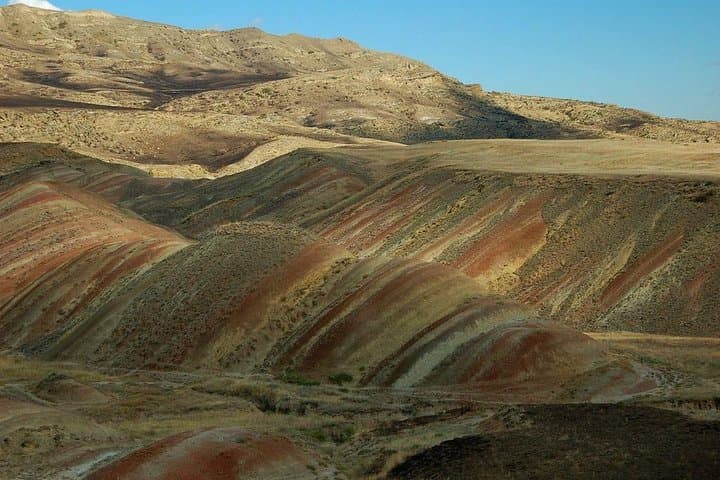
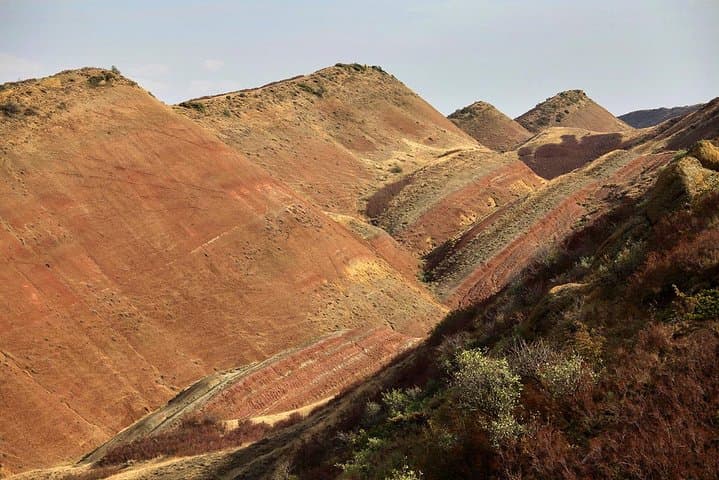
You crest a low ridge and the earth switches character — ochre and rust bands roll away like a painted map, wind pushing the dust into small, sharp drifts. In the distance the stone roofs and carved caves of David Gareja cling to a cliff, their frescoed interiors catching the sun. The air tastes of dry grass and kiln-warmed rock; horses clip-clop on saddle, and a bicycle chain hums when the group moves.
You crest a low ridge and the earth switches character — ochre and rust bands roll away like a painted map, wind pushing the dust into small, sharp drifts. In the distance the stone roofs and carved caves of David Gareja cling to a cliff, their frescoed interiors catching the sun. The air tastes of dry grass and kiln-warmed rock; horses clip-clop on saddle, and a bicycle chain hums when the group moves.
David Gareja is a sixth-century monastic complex founded by St. David, a key site in Georgian Christian history and a living example of desert monastic practice. Geologically, the “Red Mountains” here are wind-sculpted clay and sandstone — soft, erodible layers that create steep gullies and panoramic benches. Culturally the region sits on Georgia’s eastern edge; local food leans hearty and simple, with bread, cheese and grilled vegetables reflecting steppe influences.
Tours from Tbilisi range from short half-day visits to full-day excursions that include cycling or horse rides between viewpoints and hermit cells. Expect uneven, loose terrain, short steep sections and exposed ridgelines where sun and wind are immediate actors. Guides usually cover monastery access, basic safety, and local history; photography is popular but interior frescoes require quiet respect.
Practical guidance: carry 2–3 liters of water, wear sturdy shoes with good grip, sun protection and layers for strong diurnal swings. Start early to avoid midday heat and to catch the best light on the painted hills; if you’re riding, confirm comfort with your guide on saddle time. Stick to marked paths to protect fragile soils and the monasteries’ ancient frescoes.