THE ADVENTURE COLLECTIVE® · Independent discovery and booking for outdoor travel

Explore Amsterdam’s Red Light District with a knowledgeable local on a 1.5-hour private walking tour that explains centuries of urban history, the legalization debate, and contemporary life on the district’s perimeter. You’ll get a map to continue independently and practical insight to navigate respectfully.
Explore Amsterdam’s Red Light District with a knowledgeable local on a 1.5-hour private walking tour that explains centuries of urban history, the legalization debate, and contemporary life on the district’s perimeter. You’ll get a map to continue independently and practical insight to navigate respectfully.
You arrive at the edge of Amsterdam’s oldest quarter with the map the guide handed you and the faint glow of canal lights reflected in the water. Narrow streets stretch like chapters—red-lit windows, old laneways, and the church tower rising above the hum of bicycles. The canals dare you to look closer; the city’s practical, layered past sits just below the surface.
Verified experiences and guided adventures in the surrounding area.
Operated by Guidance Travel · Amsterdam, North Holland
You arrive at the edge of Amsterdam’s oldest quarter with the map the guide handed you and the faint glow of canal lights reflected in the water. Narrow streets stretch like chapters—red-lit windows, old laneways, and the church tower rising above the hum of bicycles. The canals dare you to look closer; the city’s practical, layered past sits just below the surface.
De Wallen grew from a medieval port neighborhood into a 17th-century urban web when Amsterdam’s canal ring expanded. Prostitution has been part of the district’s economy for centuries, and the Netherlands’ approach—regulated and pragmatic—shaped the neighborhood’s modern identity. Along the route you’ll pass the Old Church, former merchant houses, and the sites that trace the coffee shop concept and changing nightlife. Guides frame the debate: public safety, workers’ rights, and recent limits on indoor tours reflect a neighborhood in flux.
This private 1.5-hour walking tour circles the district’s outskirts, blending urban history, legal context, and contemporary local voices. Expect short walks, standing commentary, and a printed map to continue independently. Practical notes: wear sturdy shoes for cobbles and brief stair sections, respect the strict no-photography rule for sex workers, and plan around peak evenings if you want quieter streets. The guide’s local anecdotes cut through myth—use them to orient your own walk when the tour ends. Bring a compact rain jacket and a charged phone; the area is compact but rich in detail, best discovered at a deliberate pace.
easy.
1–2 hours.
Suitable for most fitness levels; requires walking on flat but uneven surfaces for 1.5 hours.
Since 2020, guided tours inside the district’s sensitive indoor areas are restricted; most guides operate on the outskirts and provide maps to explore the last sections independently.
Content covers adult topics; operators often advise discretion for children and minors—check with the provider before booking.
Photography of sex workers and window areas is strictly prohibited; feel free to photograph general architecture, canals, and public spaces while respecting privacy rules.
The route is generally flat and operators note wheelchair accessibility, but some narrow sections and cobbles may be challenging—contact the provider to confirm accommodations.
De Wallen developed alongside Amsterdam’s medieval port and expanded during the 17th-century canal era; prostitution has been regulated in various forms for centuries and was formally legalized and regulated in modern Dutch law.
Tour operators emphasize respectful behavior to reduce disturbance to residents and workers; follow no-photo rules and support local businesses to keep tourism sustainable.
Guidance Travel operates guided outdoor trips and adventures with an emphasis on safety, stewardship, and memorable experiences.
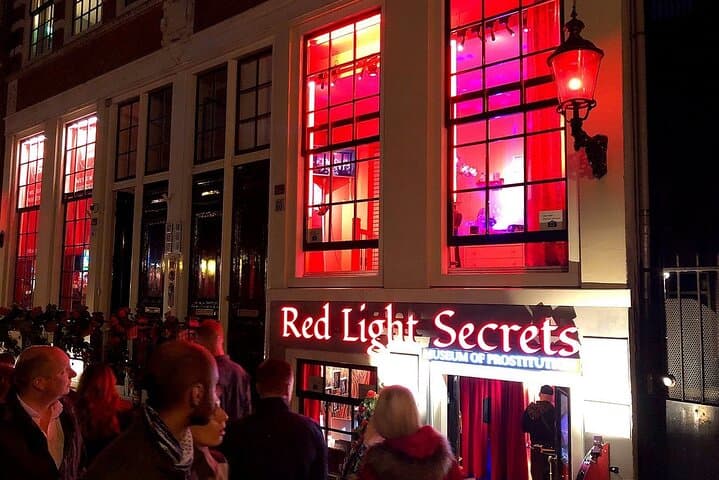
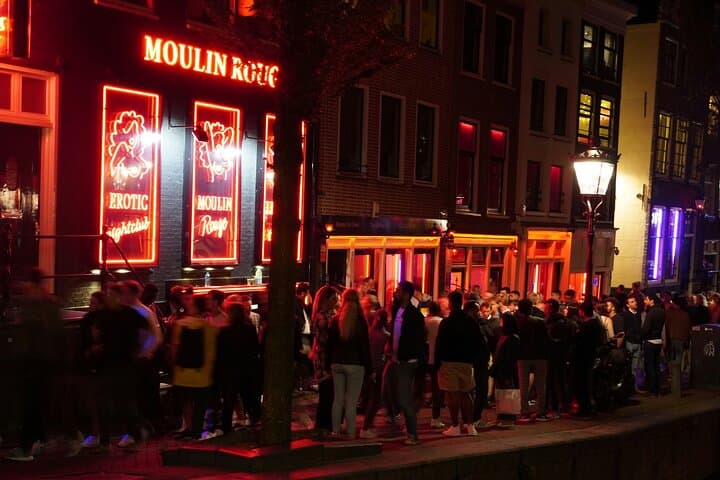
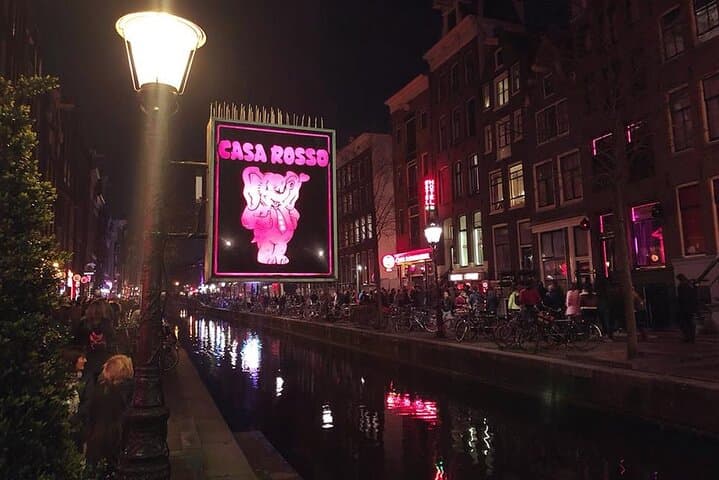
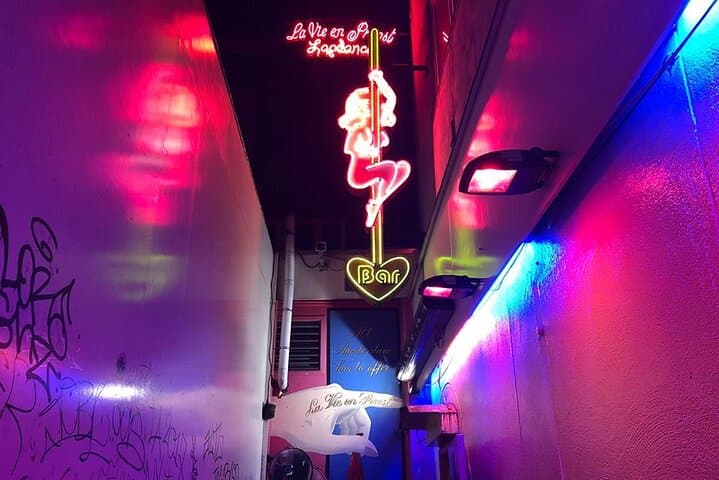
You arrive at the edge of Amsterdam’s oldest quarter with the map the guide handed you and the faint glow of canal lights reflected in the water. Narrow streets stretch like chapters—red-lit windows, old laneways, and the church tower rising above the hum of bicycles. The canals dare you to look closer; the city’s practical, layered past sits just below the surface.
You arrive at the edge of Amsterdam’s oldest quarter with the map the guide handed you and the faint glow of canal lights reflected in the water. Narrow streets stretch like chapters—red-lit windows, old laneways, and the church tower rising above the hum of bicycles. The canals dare you to look closer; the city’s practical, layered past sits just below the surface.
De Wallen grew from a medieval port neighborhood into a 17th-century urban web when Amsterdam’s canal ring expanded. Prostitution has been part of the district’s economy for centuries, and the Netherlands’ approach—regulated and pragmatic—shaped the neighborhood’s modern identity. Along the route you’ll pass the Old Church, former merchant houses, and the sites that trace the coffee shop concept and changing nightlife. Guides frame the debate: public safety, workers’ rights, and recent limits on indoor tours reflect a neighborhood in flux.
This private 1.5-hour walking tour circles the district’s outskirts, blending urban history, legal context, and contemporary local voices. Expect short walks, standing commentary, and a printed map to continue independently. Practical notes: wear sturdy shoes for cobbles and brief stair sections, respect the strict no-photography rule for sex workers, and plan around peak evenings if you want quieter streets. The guide’s local anecdotes cut through myth—use them to orient your own walk when the tour ends. Bring a compact rain jacket and a charged phone; the area is compact but rich in detail, best discovered at a deliberate pace.