THE ADVENTURE COLLECTIVE® · Independent discovery and booking for outdoor travel

Ride over iron-red dunes, try sandboarding and short camel treks, then finish with a BBQ and traditional performances at a desert camp. This private Lahbab safari pairs adrenaline with cultural moments and easy logistics for visitors based in Dubai.
Ride over iron-red dunes, try sandboarding and short camel treks, then finish with a BBQ and traditional performances at a desert camp. This private Lahbab safari pairs adrenaline with cultural moments and easy logistics for visitors based in Dubai.
You crest a copper ridge and the vehicle pitches you forward—sand rises like breath and the horizon tilts. The Lahbab red dunes roll away in waves, iron-stained grains catching low light while the Land Cruiser threads ridges with practiced ease.
Verified experiences and guided adventures in the surrounding area.
Operated by Eureka Tours · Dubai, Dubai
You crest a copper ridge and the vehicle pitches you forward—sand rises like breath and the horizon tilts. The Lahbab red dunes roll away in waves, iron-stained grains catching low light while the Land Cruiser threads ridges with practiced ease.
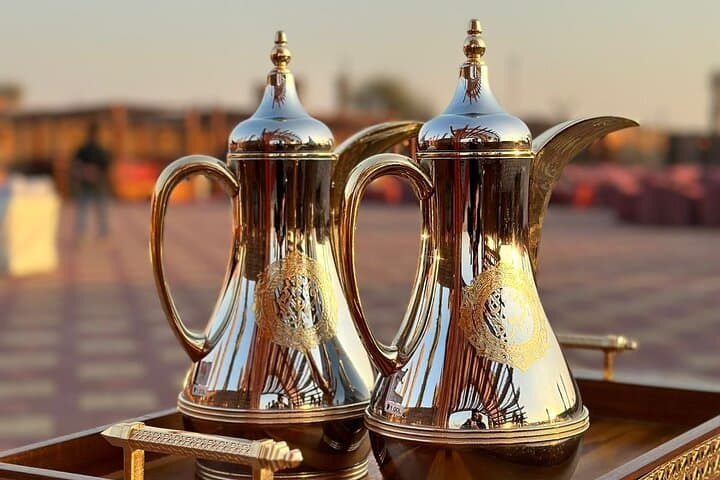
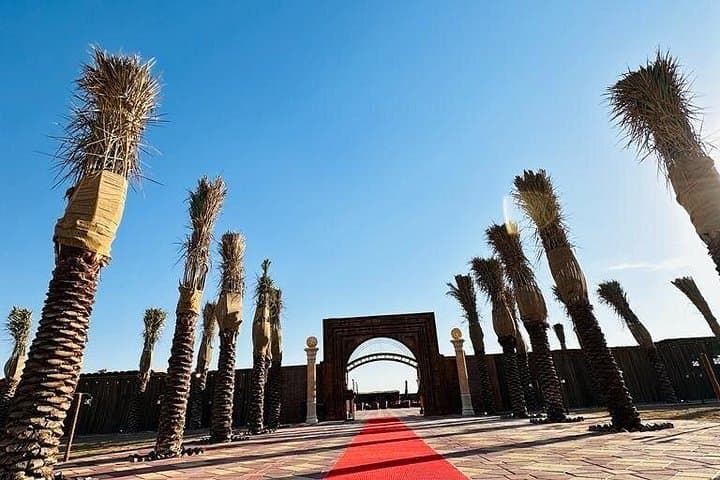
The dunes here are young in geological terms, shaped by Persian Gulf winds carrying silica and iron that paint the sand its signature red. Historically these sands were traversed by Bedouin caravans; today camel tracks sit alongside tire marks, and the desert keeps both stories. At the camp, the rhythm shifts from adrenaline to ritual: Arabic coffee, henna palms, and performances rooted in regional culture.
Expect active, varied hours: heart-pumping dune bashing, short camel rides beside quieter dunes, a few runs on a sandboard, then an evening BBQ under a clear desert sky with Tanoura and belly-dance shows. Guides point out local plants and explain how dunes move and consolidate—small lessons in geomorphology between thrills.
Practically: the tour runs about six hours with hotel pickup across Dubai and Sharjah; it’s vehicle-led so minimal fitness is required but the ride is bumpy—avoid if pregnant or with spinal/heart conditions. Bring sun protection, sunglasses, and a small bottle of water (additional refreshments provided). Charge cameras and secure hats before the dune runs. Respect camp smoking sections and local customs; stick to designated trails to protect fragile desert crust. The Red Dunes safari is equal parts spectacle and field lesson—a compact, accessible desert immersion.
easy.
6 hours.
Good for travelers in normal health; minimal walking required but expect bumpy vehicle rides—avoid if pregnant or with back/heart issues.
The experience lasts about six hours and includes pickup and drop-off from most hotels and residences in Dubai and Sharjah.
Dune bashing is done by experienced drivers in 4x4s; children and older adults can join but seatbelt use is required and those with spinal/heart issues or pregnancy should avoid it.
Yes—short sandboarding sessions are geared toward beginners; instructors show basic stance and a gentle slope is used for first runs.
Light, breathable layers, closed-toe shoes, sunscreen, sunglasses, and a small camera; hats should be secured during dune runs and larger bags left on the vehicle.
The Lahbab area was part of traditional Bedouin routes; camel herding and trade shaped local culture long before modern tourism transformed the landscape.
Stay on permitted tracks and follow guides’ directions—the UAE monitors desert driving to prevent erosion and protect rare desert flora and fauna.
Eureka Tours operates guided outdoor trips and adventures with an emphasis on safety, stewardship, and memorable experiences.
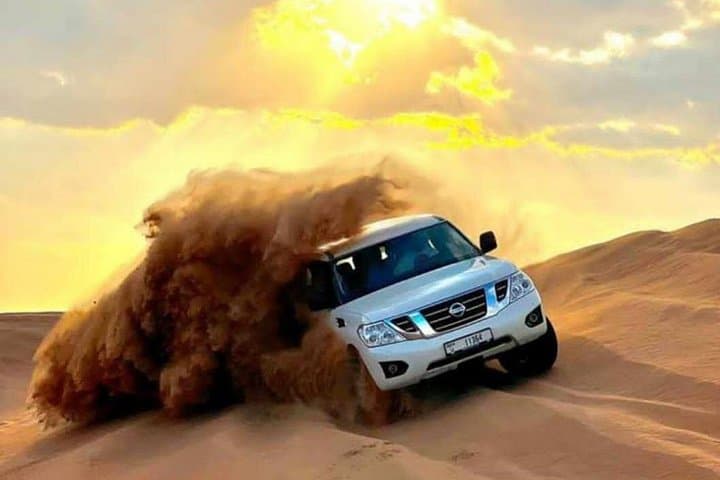
You crest a copper ridge and the vehicle pitches you forward—sand rises like breath and the horizon tilts. The Lahbab red dunes roll away in waves, iron-stained grains catching low light while the Land Cruiser threads ridges with practiced ease.
You crest a copper ridge and the vehicle pitches you forward—sand rises like breath and the horizon tilts. The Lahbab red dunes roll away in waves, iron-stained grains catching low light while the Land Cruiser threads ridges with practiced ease.
The dunes here are young in geological terms, shaped by Persian Gulf winds carrying silica and iron that paint the sand its signature red. Historically these sands were traversed by Bedouin caravans; today camel tracks sit alongside tire marks, and the desert keeps both stories. At the camp, the rhythm shifts from adrenaline to ritual: Arabic coffee, henna palms, and performances rooted in regional culture.
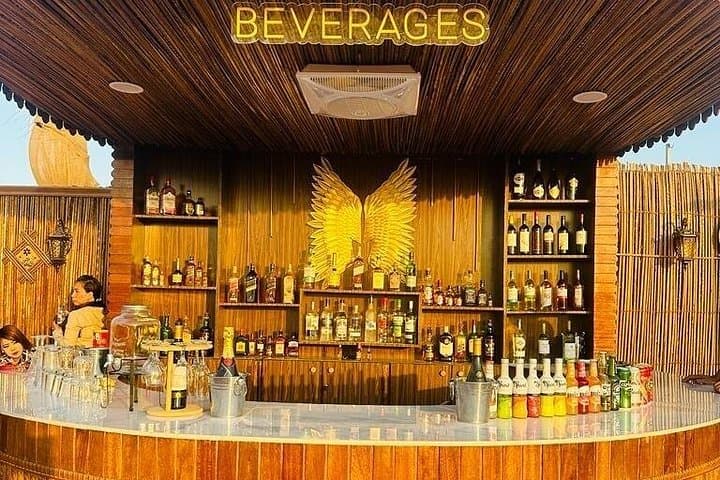
Expect active, varied hours: heart-pumping dune bashing, short camel rides beside quieter dunes, a few runs on a sandboard, then an evening BBQ under a clear desert sky with Tanoura and belly-dance shows. Guides point out local plants and explain how dunes move and consolidate—small lessons in geomorphology between thrills.
Practically: the tour runs about six hours with hotel pickup across Dubai and Sharjah; it’s vehicle-led so minimal fitness is required but the ride is bumpy—avoid if pregnant or with spinal/heart conditions. Bring sun protection, sunglasses, and a small bottle of water (additional refreshments provided). Charge cameras and secure hats before the dune runs. Respect camp smoking sections and local customs; stick to designated trails to protect fragile desert crust. The Red Dunes safari is equal parts spectacle and field lesson—a compact, accessible desert immersion.