THE ADVENTURE COLLECTIVE® · Independent discovery and booking for outdoor travel

An adrenaline‑charged evening in the Lehbab red dunes: dune bashing, camel rides, and a tented dinner beneath an open Arabian sky. Practical for most travelers, this six‑hour safari pairs thrills with a compact introduction to desert culture.
An adrenaline‑charged evening in the Lehbab red dunes: dune bashing, camel rides, and a tented dinner beneath an open Arabian sky. Practical for most travelers, this six‑hour safari pairs thrills with a compact introduction to desert culture.
Night slides across the sand here: headlights cut through warm air as a convoy climbs a red ridge, salt-light on grains throwing the glow of the city far behind. The Lehbab dunes are raw and angular—sudden crests that send vehicles skimming and offer open sky for a night of performance and food.
Verified experiences and guided adventures in the surrounding area.
Operated by TourBays Travel & Tourism LLC · Dubai, Dubai
Night slides across the sand here: headlights cut through warm air as a convoy climbs a red ridge, salt-light on grains throwing the glow of the city far behind. The Lehbab dunes are raw and angular—sudden crests that send vehicles skimming and offer open sky for a night of performance and food.
This stretch of Arabian sand sits on wind‑sorted deposits pushed inland from the Gulf, shaped over millennia by northerly shamal winds. The area carries Bedouin history—camel tracks and temporary camps replaced by modern tour tents—and is part of a broader desert system that supports scattered acacias, migratory birds and hardy desert fauna.
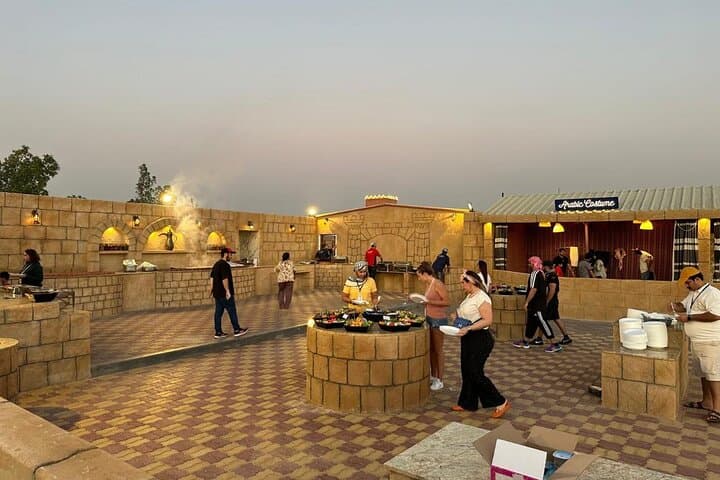
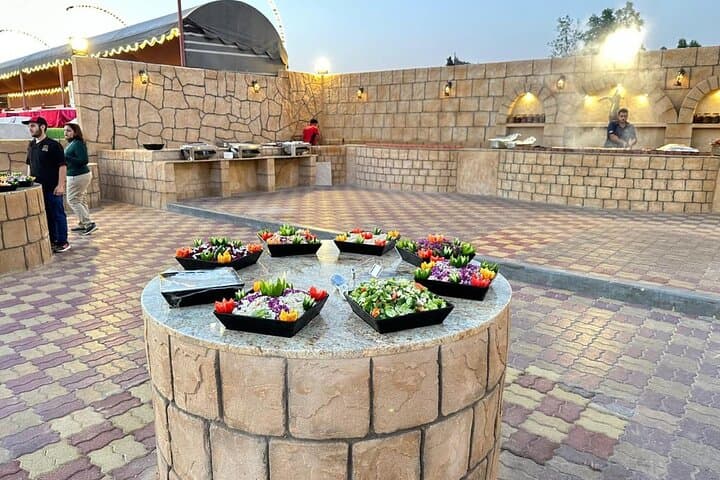
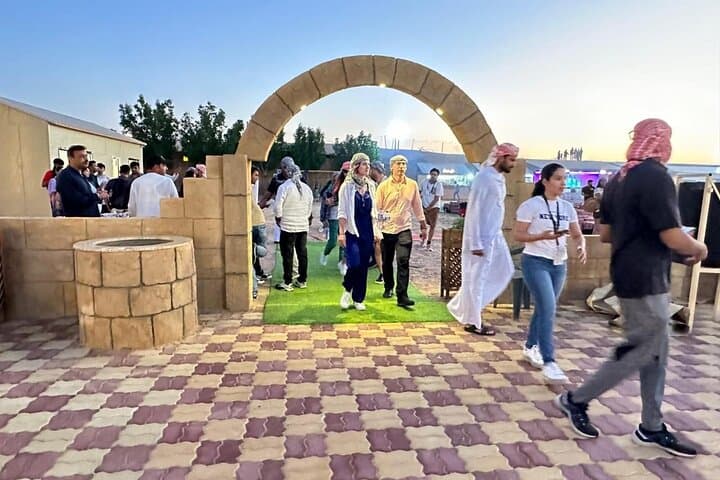
Visitors should expect a compact program: hotel pick-up in a 4x4, a stop for quad‑bike or camel riding, a 45–60 minute dune‑bashing run, then an evening camp with dinner, henna, and cultural performances. The tented camp is designed for comfort—air conditioning in transit, soft drinks and Arabic tea—and the timing favors sunset light and cool night air rather than daytime heat.
Practical edge: motion on steep dune faces can be abrupt—secure belongings and prepare for jerky rides. Hydrate before departure, bring closed shoes for walking on hot sand, and use a scarf or light layer to cut windblown grit. Respect crew instructions off‑road to protect fragile dunes and local wildlife. For most travelers this is an accessible, high‑adrenaline evening that delivers both spectacle and a concise introduction to Emirati desert culture.
easy.
6 hours.
Suitable for travelers in average physical condition; requires ability to mount a camel and move on uneven sand
Despite the title, the standard itinerary runs about six hours and returns guests to their hotels the same night; confirm if true overnight lodging is required.
Yes—most operators include hotel pickup and drop‑off by air‑conditioned 4x4; you select a pickup point at booking.
Dune bashing can be jostling and is not recommended for pregnant travelers or people with significant back or heart issues; operators often restrict participation for safety.
Yes—drivers typically stop for photos after dune runs and the camp is photo‑friendly, but ask before photographing performers or local staff.
The Lehbab area was traditionally used as seasonal grazing land by Bedouin camel herders; modern safaris reframe those routes as short cultural experiences for visitors.
Dune ecosystems are fragile—stay on established vehicle tracks, avoid off‑trail walking on unstable dunes, and pack out all trash to prevent erosion and habitat damage.
TourBays Travel & Tourism LLC operates guided outdoor trips and adventures with an emphasis on safety, stewardship, and memorable experiences.

Night slides across the sand here: headlights cut through warm air as a convoy climbs a red ridge, salt-light on grains throwing the glow of the city far behind. The Lehbab dunes are raw and angular—sudden crests that send vehicles skimming and offer open sky for a night of performance and food.
Night slides across the sand here: headlights cut through warm air as a convoy climbs a red ridge, salt-light on grains throwing the glow of the city far behind. The Lehbab dunes are raw and angular—sudden crests that send vehicles skimming and offer open sky for a night of performance and food.
This stretch of Arabian sand sits on wind‑sorted deposits pushed inland from the Gulf, shaped over millennia by northerly shamal winds. The area carries Bedouin history—camel tracks and temporary camps replaced by modern tour tents—and is part of a broader desert system that supports scattered acacias, migratory birds and hardy desert fauna.
Visitors should expect a compact program: hotel pick-up in a 4x4, a stop for quad‑bike or camel riding, a 45–60 minute dune‑bashing run, then an evening camp with dinner, henna, and cultural performances. The tented camp is designed for comfort—air conditioning in transit, soft drinks and Arabic tea—and the timing favors sunset light and cool night air rather than daytime heat.
Practical edge: motion on steep dune faces can be abrupt—secure belongings and prepare for jerky rides. Hydrate before departure, bring closed shoes for walking on hot sand, and use a scarf or light layer to cut windblown grit. Respect crew instructions off‑road to protect fragile dunes and local wildlife. For most travelers this is an accessible, high‑adrenaline evening that delivers both spectacle and a concise introduction to Emirati desert culture.