THE ADVENTURE COLLECTIVE® · Independent discovery and booking for outdoor travel

Spend a full day among Cappadocia’s red-rock valleys and carved churches on a small-group tour that covers fairy chimneys, a natural rock castle viewpoint and historic village quarters. Light walking, lunch and a local guide make this a manageable introduction to the region’s geology and history.
Spend a full day among Cappadocia’s red-rock valleys and carved churches on a small-group tour that covers fairy chimneys, a natural rock castle viewpoint and historic village quarters. Light walking, lunch and a local guide make this a manageable introduction to the region’s geology and history.
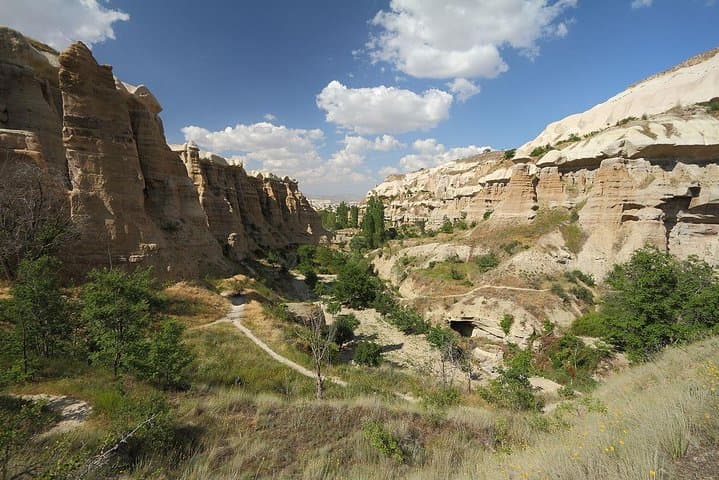
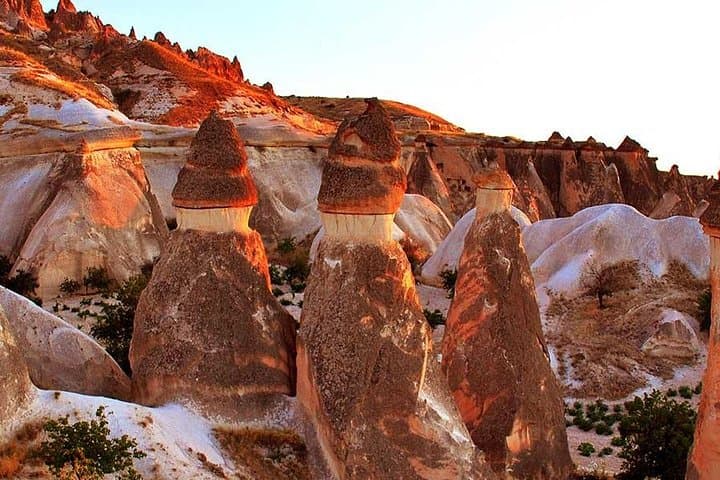
You step out of the air-conditioned minivan and the landscape changes pitch — rounded domes of soft volcanic tuff, weathered into towers that look part sculpture, part shelter. The morning light pulls colour from the rock: rust, ochre, pale rose. A guide gestures toward carved doorways and narrow tunnels, and the region’s human story unfolds in the same stone that shaped the valley.
Verified experiences and guided adventures in the surrounding area.
Operated by Turkey Travel Mart · Göreme, Nevşehir Province
You step out of the air-conditioned minivan and the landscape changes pitch — rounded domes of soft volcanic tuff, weathered into towers that look part sculpture, part shelter. The morning light pulls colour from the rock: rust, ochre, pale rose. A guide gestures toward carved doorways and narrow tunnels, and the region’s human story unfolds in the same stone that shaped the valley.
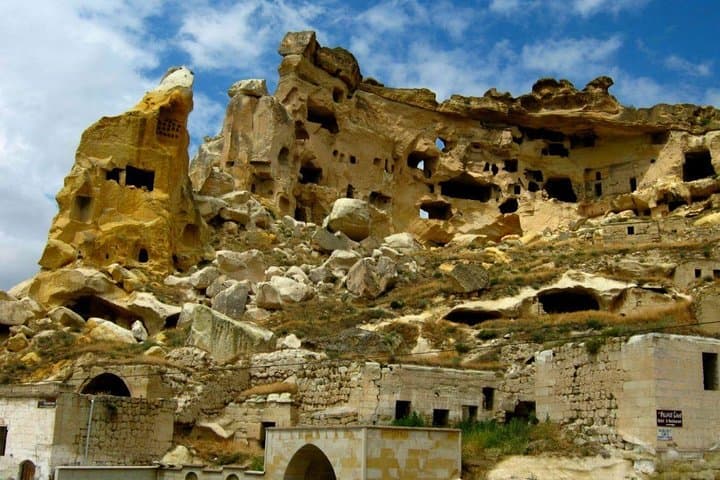
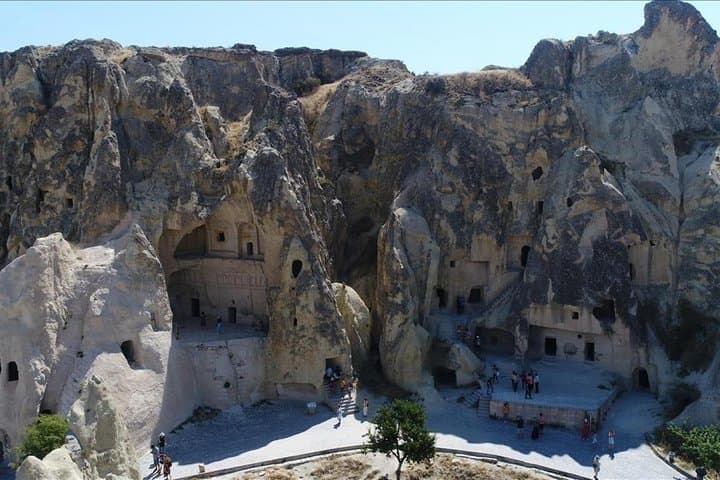
Cappadocia’s geology is recent in geological time: ash and lava from ancient eruptions compacted into tuff, which wind and rain have sculpted into pinnacles and ridges. Byzantines and earlier communities carved churches, houses and storage rooms into the soft rock; frescoed interiors at the rock-cut church sites speak to centuries of monastic life and pilgrimage.
Culturally, this is rural Anatolia — pottery towns, small farms, and villages that grew around these caves. Local guides often trace how seasonal migration and early Christian refuges shaped settlement patterns.
Practically, expect light walking on uneven stone and short stair sections at viewpoints and churches. The schedule covers major sites: large rock-cut church complexes, mushroom-shaped fairy chimneys, a natural rock castle viewpoint and old stone-village quarters; lunch is included. Start time around 09:30 keeps heat manageable in summer.
Bring sun protection, comfortable soles for short hikes and a small daypack. Photography opportunities are constant, but be respectful in sacred interiors and private village areas. The route is designed for easy pacing — it’s a full day of seeing and understanding this unusual landscape rather than strenuous hiking.
easy.
6–8 hours.
Suitable for most fitness levels; involves several short walks over uneven ground and some stairs.
The tour runs approximately 6–8 hours, typically starting around 09:30 and returning in the late afternoon.
The tour is rated easy with short walks, but some sites have stairs and uneven ground; discuss mobility needs with the operator before booking.
Some major rock-cut church areas are included; your booking details will list included admissions—ask the operator for specifics if you need confirmation.
Lunch is included; restrooms are available at main stops and lunch venues but may be basic at outdoor viewpoints.
Cappadocia’s cave dwellings and churches were carved from volcanic tuff by early Christian communities; many frescoes date to the Byzantine period.
Erosion is a constant process; stick to marked paths, avoid touching frescoes and support licensed guides to reduce impact and benefit local communities.
Turkey Travel Mart operates guided outdoor trips and adventures with an emphasis on safety, stewardship, and memorable experiences.
You step out of the air-conditioned minivan and the landscape changes pitch — rounded domes of soft volcanic tuff, weathered into towers that look part sculpture, part shelter. The morning light pulls colour from the rock: rust, ochre, pale rose. A guide gestures toward carved doorways and narrow tunnels, and the region’s human story unfolds in the same stone that shaped the valley.
You step out of the air-conditioned minivan and the landscape changes pitch — rounded domes of soft volcanic tuff, weathered into towers that look part sculpture, part shelter. The morning light pulls colour from the rock: rust, ochre, pale rose. A guide gestures toward carved doorways and narrow tunnels, and the region’s human story unfolds in the same stone that shaped the valley.
Cappadocia’s geology is recent in geological time: ash and lava from ancient eruptions compacted into tuff, which wind and rain have sculpted into pinnacles and ridges. Byzantines and earlier communities carved churches, houses and storage rooms into the soft rock; frescoed interiors at the rock-cut church sites speak to centuries of monastic life and pilgrimage.
Culturally, this is rural Anatolia — pottery towns, small farms, and villages that grew around these caves. Local guides often trace how seasonal migration and early Christian refuges shaped settlement patterns.
Practically, expect light walking on uneven stone and short stair sections at viewpoints and churches. The schedule covers major sites: large rock-cut church complexes, mushroom-shaped fairy chimneys, a natural rock castle viewpoint and old stone-village quarters; lunch is included. Start time around 09:30 keeps heat manageable in summer.
Bring sun protection, comfortable soles for short hikes and a small daypack. Photography opportunities are constant, but be respectful in sacred interiors and private village areas. The route is designed for easy pacing — it’s a full day of seeing and understanding this unusual landscape rather than strenuous hiking.