THE ADVENTURE COLLECTIVE® · Independent discovery and booking for outdoor travel

Walk the last procession route of the Chew family in Red Bluff on a self-guided 30-minute urban history tour. Learn about 19th-century Cantonese life, preserved structures, and the segregated gravesite at Oak Hill Cemetery.
Walk the last procession route of the Chew family in Red Bluff on a self-guided 30-minute urban history tour. Learn about 19th-century Cantonese life, preserved structures, and the segregated gravesite at Oak Hill Cemetery.
You step off Main Street under a red awning and the town exhales history: brick storefronts, an old restaurant photograph on a wall, and pavement that remembers footsteps from another century.
Verified experiences and guided adventures in the surrounding area.
Operated by Chinese History Tour · Red Bluff, California
You step off Main Street under a red awning and the town exhales history: brick storefronts, an old restaurant photograph on a wall, and pavement that remembers footsteps from another century.
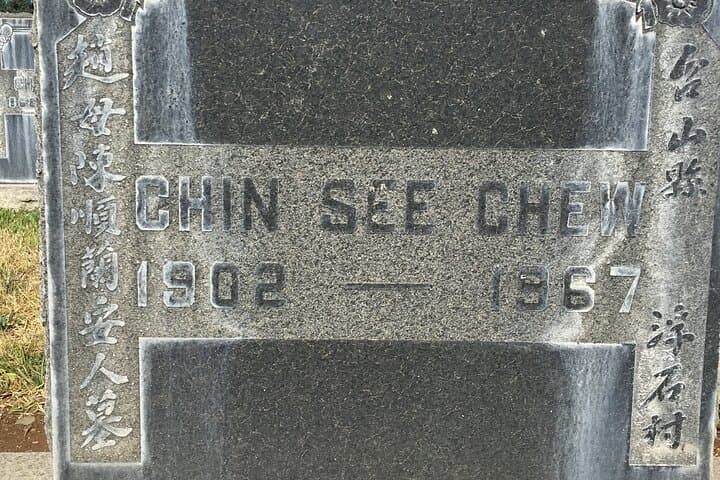
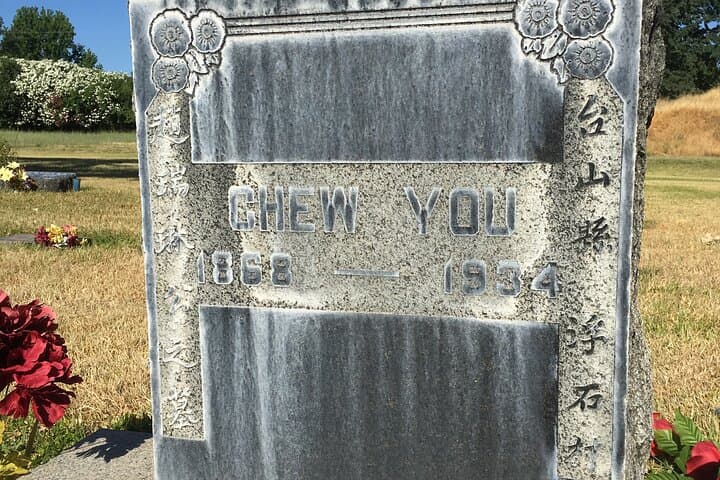
This 30-minute self-guided walk traces the path of a Cantonese 19th-century Christian funeral procession honoring Joe You Chew and the Chew family's life in Tehama County. The route moves from the corner of Rio and Walnut through the former Chinatown corridor — once constrained by the Chinese Exclusion Act — and ends at Oak Hill Cemetery where the Five original Chinese families’ graves sit apart, deliberately segregated in the 1800s.
Geology here is simple: the Sacramento Valley’s flat alluvial plain shaped settlement patterns, river commerce, and a town laid out for wagons, later automobiles. Culturally, Red Bluff’s Chinatown was a community of merchants, laborers and religious practice; remnants like the Ming Terrace building and residential plots mark where business and family life met.
Practical guidance: the route is flat, fully paved and wheelchair accessible but exposed to sun; expect 30 minutes of walking with moments to pause at plaques and storefronts. Bring water, sun protection and a charged phone to follow the digital e-Guide. Respect the cemetery and local markers; photography is appropriate but quiet attention is required at gravesites.
Timing matters: mornings are coolest; allow extra time for a café stop on Main Street. Proceeds support the Helen and Joe Chew Foundation’s scholarship work — a meaningful way to give back while you learn.
easy.
30 minutes.
Suitable for all fitness levels; low exertion on flat sidewalks
The self-guided route is designed to be completed in about 30 minutes, though you may take longer if you stop to read plaques or visit local businesses.
Yes — sidewalks and surfaces along the route are listed as wheelchair accessible and stroller-friendly.
The tour concludes at Oak Hill Cemetery at the historic 19th-century Chinese gravesite of the Five original Chinese families.
Main Street has cafes and restaurants nearby, including Guadalajara Mexican Restaurant; public restrooms are typically available at businesses.
Red Bluff’s Chinatown grew in the late 1800s under constraints like the Chinese Exclusion Act; the Chew family were long-standing community members whose last procession links present-day residents to that era.
Visitors are asked to respect cemetery boundaries and local sites; supporting the Helen and Joe Chew Foundation helps fund preservation and local scholarships.
Chinese History Tour operates guided outdoor trips and adventures with an emphasis on safety, stewardship, and memorable experiences.
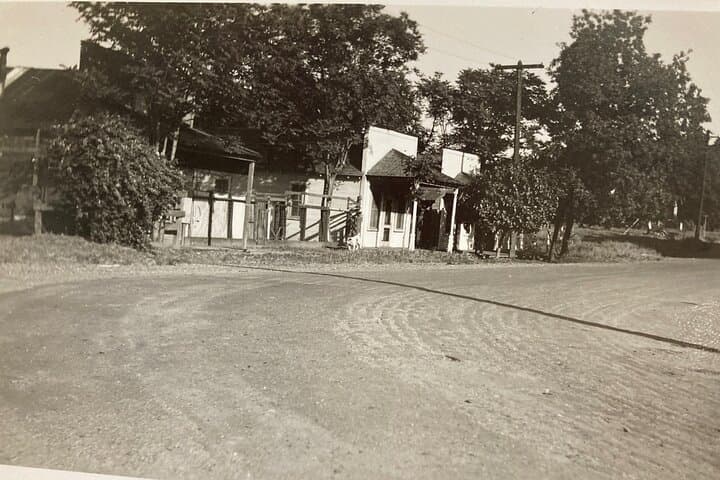
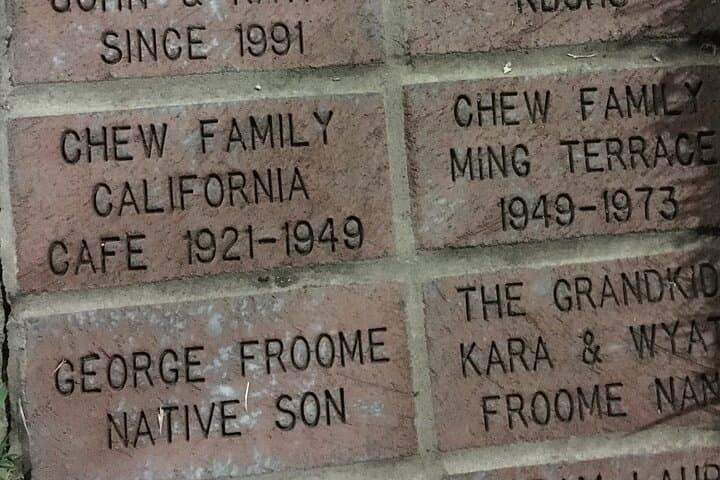
You step off Main Street under a red awning and the town exhales history: brick storefronts, an old restaurant photograph on a wall, and pavement that remembers footsteps from another century.
You step off Main Street under a red awning and the town exhales history: brick storefronts, an old restaurant photograph on a wall, and pavement that remembers footsteps from another century.
This 30-minute self-guided walk traces the path of a Cantonese 19th-century Christian funeral procession honoring Joe You Chew and the Chew family's life in Tehama County. The route moves from the corner of Rio and Walnut through the former Chinatown corridor — once constrained by the Chinese Exclusion Act — and ends at Oak Hill Cemetery where the Five original Chinese families’ graves sit apart, deliberately segregated in the 1800s.
Geology here is simple: the Sacramento Valley’s flat alluvial plain shaped settlement patterns, river commerce, and a town laid out for wagons, later automobiles. Culturally, Red Bluff’s Chinatown was a community of merchants, laborers and religious practice; remnants like the Ming Terrace building and residential plots mark where business and family life met.
Practical guidance: the route is flat, fully paved and wheelchair accessible but exposed to sun; expect 30 minutes of walking with moments to pause at plaques and storefronts. Bring water, sun protection and a charged phone to follow the digital e-Guide. Respect the cemetery and local markers; photography is appropriate but quiet attention is required at gravesites.
Timing matters: mornings are coolest; allow extra time for a café stop on Main Street. Proceeds support the Helen and Joe Chew Foundation’s scholarship work — a meaningful way to give back while you learn.