THE ADVENTURE COLLECTIVE® · Independent discovery and booking for outdoor travel

Walk through the spice-scented lanes of Islamic Cairo and taste more than seven traditional dishes while learning local customs. This five-hour private food tour pairs culinary sampling with cultural context in one of the city’s most historic neighborhoods.
Walk through the spice-scented lanes of Islamic Cairo and taste more than seven traditional dishes while learning local customs. This five-hour private food tour pairs culinary sampling with cultural context in one of the city’s most historic neighborhoods.
You step off the shaded street into a corridor of scent—fried falafel, sweet syrup from a dessert stall, and the sharp steam of freshly brewed tea. The guide threads through alleys where vendors call prices and shopkeepers slice warm bread behind steaming counters; the city’s rhythm pushes you forward as much as you follow it.
Verified experiences and guided adventures in the surrounding area.
Operated by Explore Egypt tours · Cairo, Cairo Governorate
You step off the shaded street into a corridor of scent—fried falafel, sweet syrup from a dessert stall, and the sharp steam of freshly brewed tea. The guide threads through alleys where vendors call prices and shopkeepers slice warm bread behind steaming counters; the city’s rhythm pushes you forward as much as you follow it.
The route runs through parts of Islamic Cairo and the old market districts near Khan el-Khalili, an area that has been a commercial heart since medieval times. Buildings here are layered with Mamluk and Ottoman details; stone façades and mashrabiya windows frame the food stalls that serve recipes passed down generations. Geologically the city sits on the Nile’s alluvial plain—flat, easy walking with no technical terrain but a lot of sensory variety.
Culturally the tour is a hands-on primer: learn to eat foul the Egyptian way, compare two styles of falafel, assemble koshary with the local technique, and sample fresh cane juice and El Abd ice cream. Guides often explain how dishes reflect religious, economic, and agricultural history—lentils, chickpeas, and local bread tell stories of Nile-fed farms and neighborhood economies.
Practical guidance: this is a five-hour, mostly flat walking tour covering roughly 3–4 km across crowded streets. Wear closed-toe shoes for uneven sidewalks, carry a refillable bottle, and pace yourself between rich dishes. Plan for mid-morning or late-afternoon starts to avoid peak sun; bring small change for stalls and be ready to try new textures and bold flavors. The experience is private, accessible, and designed for all fitness levels—expect lots of tasting, local banter, and a clear thread of history through every bite.
easy.
5 hours.
Suitable for most fitness levels; requires stamina for several hours of walking in urban crowds.
Yes; the operator notes wheelchair and stroller accessibility, though some historic alleys may be tight—notify the guide about access needs when booking.
Guides can often accommodate common dietary needs if informed in advance; indicate allergies or restrictions on your booking form.
Expect roughly 3–4 km across mostly flat, city sidewalks over five hours with frequent stops for tasting and short explanations.
Tipping is appreciated—small tips for the guide and any individual street vendors are common and help support local small businesses.
Islamic Cairo grew into a commercial and religious center under the Fatimid and Mamluk rulers; many market streets date back centuries and remain active trade corridors.
Support small vendors and minimize single-use plastics by carrying a refillable bottle; respect historic façades and avoid leaning or climbing on fragile structures.
Explore Egypt tours operates guided outdoor trips and adventures with an emphasis on safety, stewardship, and memorable experiences.

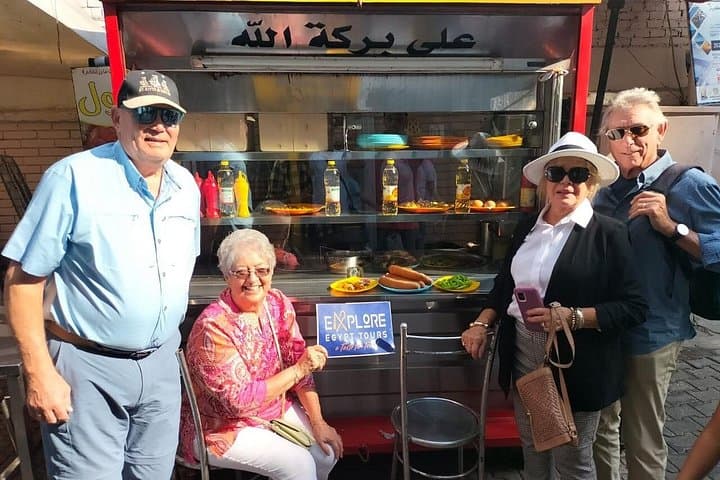
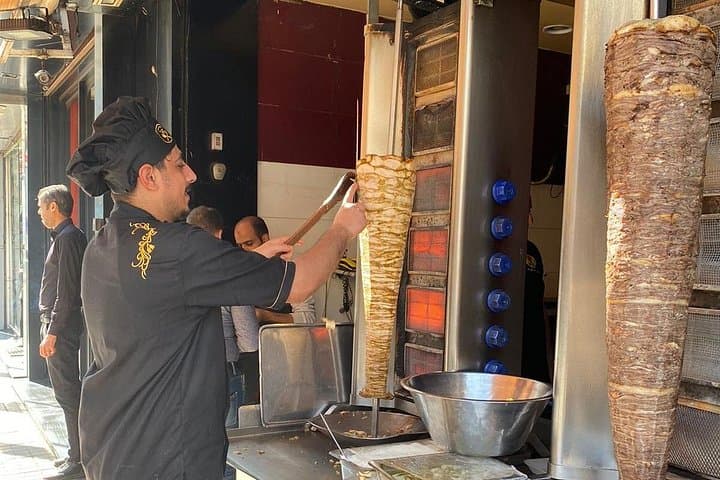

You step off the shaded street into a corridor of scent—fried falafel, sweet syrup from a dessert stall, and the sharp steam of freshly brewed tea. The guide threads through alleys where vendors call prices and shopkeepers slice warm bread behind steaming counters; the city’s rhythm pushes you forward as much as you follow it.
You step off the shaded street into a corridor of scent—fried falafel, sweet syrup from a dessert stall, and the sharp steam of freshly brewed tea. The guide threads through alleys where vendors call prices and shopkeepers slice warm bread behind steaming counters; the city’s rhythm pushes you forward as much as you follow it.
The route runs through parts of Islamic Cairo and the old market districts near Khan el-Khalili, an area that has been a commercial heart since medieval times. Buildings here are layered with Mamluk and Ottoman details; stone façades and mashrabiya windows frame the food stalls that serve recipes passed down generations. Geologically the city sits on the Nile’s alluvial plain—flat, easy walking with no technical terrain but a lot of sensory variety.
Culturally the tour is a hands-on primer: learn to eat foul the Egyptian way, compare two styles of falafel, assemble koshary with the local technique, and sample fresh cane juice and El Abd ice cream. Guides often explain how dishes reflect religious, economic, and agricultural history—lentils, chickpeas, and local bread tell stories of Nile-fed farms and neighborhood economies.
Practical guidance: this is a five-hour, mostly flat walking tour covering roughly 3–4 km across crowded streets. Wear closed-toe shoes for uneven sidewalks, carry a refillable bottle, and pace yourself between rich dishes. Plan for mid-morning or late-afternoon starts to avoid peak sun; bring small change for stalls and be ready to try new textures and bold flavors. The experience is private, accessible, and designed for all fitness levels—expect lots of tasting, local banter, and a clear thread of history through every bite.