THE ADVENTURE COLLECTIVE® · Independent discovery and booking for outdoor travel

A full-day circuit from Colombo to Ratnapura that pairs Bopath Ella’s 30-metre fall with visits to active gem mines and the Maha Saman Devalaya. Expect geology, skilled lapidaries and cultural rituals in a single, busy day.
A full-day circuit from Colombo to Ratnapura that pairs Bopath Ella’s 30-metre fall with visits to active gem mines and the Maha Saman Devalaya. Expect geology, skilled lapidaries and cultural rituals in a single, busy day.
The road south from Colombo opens into bands of green—rubber, paddy and tea—each field pushing the next into a different shade. By mid-morning the sound of Bopath Ella arrives first: a broad sheet of water dropping roughly 30 metres into a shallow pool, its spray daring you closer while the river pulls onward toward the Kalu Ganga.
Verified experiences and guided adventures in the surrounding area.
Operated by Ceylon Travel Dream · Ratnapura, Sabaragamuwa Province
The road south from Colombo opens into bands of green—rubber, paddy and tea—each field pushing the next into a different shade. By mid-morning the sound of Bopath Ella arrives first: a broad sheet of water dropping roughly 30 metres into a shallow pool, its spray daring you closer while the river pulls onward toward the Kalu Ganga.
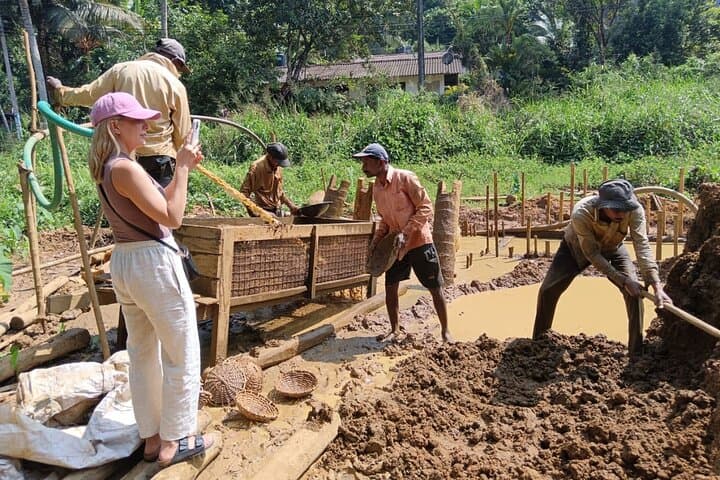
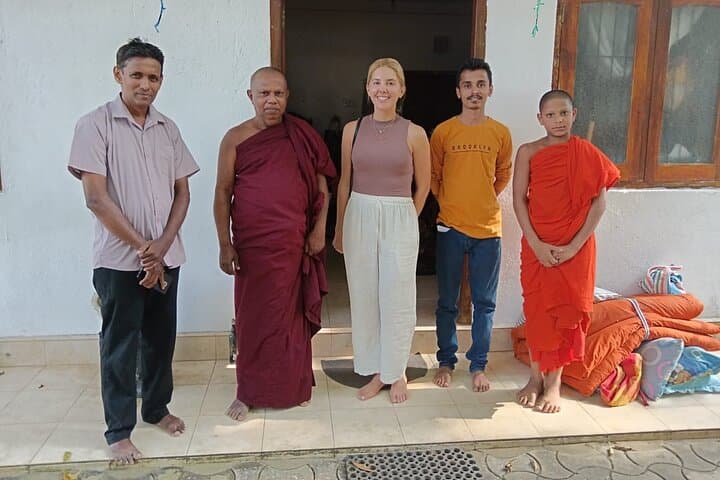
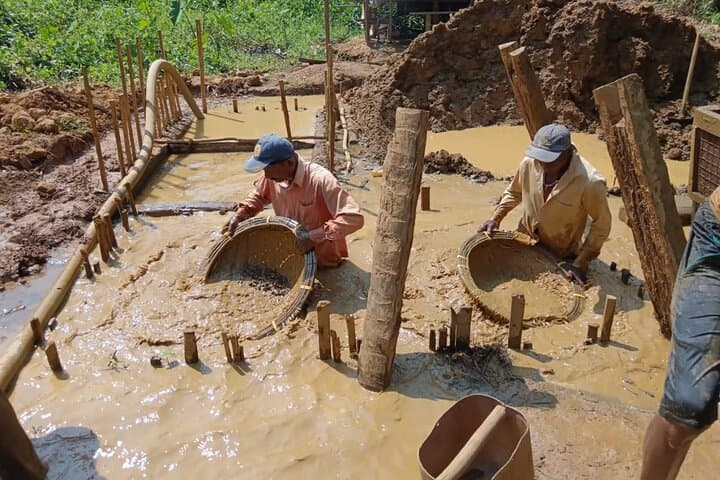
Ratnapura means “city of gems,” and that name is literal: centuries of monsoon-driven rivers have concentrated sapphires, cat’s-eyes and zircons in these gravels. Geology here is active—ancient metamorphic rocks fractured and washed down to gem-bearing alluvium—so miners still work small shafts and pan beds the way their ancestors did. Culture is equally layered: from the lapidary’s precise hands to the Maha Saman Devalaya, where devotees come to honor the deity linked to Adam’s Peak and the mountain’s sacred footprint.
Visitors watch cutters at work, walk short trails to viewpoints and can take photos at the waterfall; some opt for a quick dip in the pool where local custom allows. Practicalities matter: expect a full day with several short walks, basic stairs at temple sites, and dusty paths at mine yards. Bring sun protection, insect repellent and local cash for small purchases.
Start early from Colombo to avoid afternoon heat, ask guides about ethical gem buying and keep water and a light rain layer close—the weather can shift fast in the hills. With proper footwear and sensible timing, the tour offers a compact, sensory-packed introduction to Ratnapura’s geology, craft and devotion.
easy.
8–12 hours.
Suitable for most fitness levels; includes short walks, stairs and standing at viewpoints.
The drive is roughly 100–110 km and typically takes 2–3 hours each way depending on traffic and road conditions.
Many visitors take a quick dip in the shallow pool below the falls; check with your guide for local safety and cultural considerations before entering the water.
No—tour price normally covers transport and guiding; gems and lapidary services are available to purchase separately from local vendors.
Yes—this itinerary is rated easy and suitable for a wide range of ages, but factors like heat, stairs at the temple and short uneven walks should be considered.
Ratnapura’s name—Sanskrit for 'city of gems'—reflects a long history of gem extraction linked to river-transported alluvium; the area’s ties to Adam’s Peak add pilgrimage layers to local culture.
Support responsible sellers and avoid buying stones with unclear provenance; minimize waste around waterfalls and respect temple rules to reduce visitor impact.
Ceylon Travel Dream operates guided outdoor trips and adventures with an emphasis on safety, stewardship, and memorable experiences.

The road south from Colombo opens into bands of green—rubber, paddy and tea—each field pushing the next into a different shade. By mid-morning the sound of Bopath Ella arrives first: a broad sheet of water dropping roughly 30 metres into a shallow pool, its spray daring you closer while the river pulls onward toward the Kalu Ganga.
The road south from Colombo opens into bands of green—rubber, paddy and tea—each field pushing the next into a different shade. By mid-morning the sound of Bopath Ella arrives first: a broad sheet of water dropping roughly 30 metres into a shallow pool, its spray daring you closer while the river pulls onward toward the Kalu Ganga.
Ratnapura means “city of gems,” and that name is literal: centuries of monsoon-driven rivers have concentrated sapphires, cat’s-eyes and zircons in these gravels. Geology here is active—ancient metamorphic rocks fractured and washed down to gem-bearing alluvium—so miners still work small shafts and pan beds the way their ancestors did. Culture is equally layered: from the lapidary’s precise hands to the Maha Saman Devalaya, where devotees come to honor the deity linked to Adam’s Peak and the mountain’s sacred footprint.
Visitors watch cutters at work, walk short trails to viewpoints and can take photos at the waterfall; some opt for a quick dip in the pool where local custom allows. Practicalities matter: expect a full day with several short walks, basic stairs at temple sites, and dusty paths at mine yards. Bring sun protection, insect repellent and local cash for small purchases.
Start early from Colombo to avoid afternoon heat, ask guides about ethical gem buying and keep water and a light rain layer close—the weather can shift fast in the hills. With proper footwear and sensible timing, the tour offers a compact, sensory-packed introduction to Ratnapura’s geology, craft and devotion.