THE ADVENTURE COLLECTIVE® · Independent discovery and booking for outdoor travel

Swap Bangkok traffic for limestone cliffs, bat caves and mineral hot springs on a full-day escape to Ratchaburi. This practical guide explains what you’ll see, how the landscape formed, and what to bring for a restorative, low-effort day outdoors.
Swap Bangkok traffic for limestone cliffs, bat caves and mineral hot springs on a full-day escape to Ratchaburi. This practical guide explains what you’ll see, how the landscape formed, and what to bring for a restorative, low-effort day outdoors.
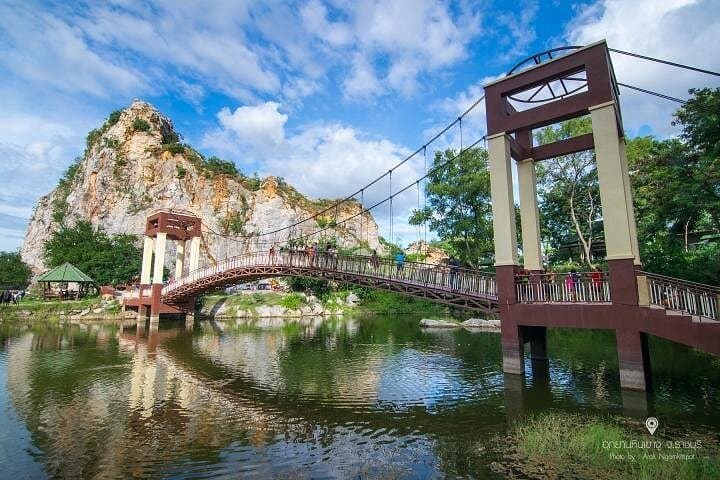
Morning light breaks over Bangkok’s highways and the city’s roar thins to a hum as the road bends toward Ratchaburi’s karst rim. Within two hours the landscape changes: flat paddies give way to rounded limestone hills, a lake mirrors Snake Mountain’s scarred slopes, and a private van drops you close to cool, earthen entrances and steaming mineral pools.
Verified experiences and guided adventures in the surrounding area.
Operated by Bangkok Travel Agency · Ratchaburi, Ratchaburi Province
Morning light breaks over Bangkok’s highways and the city’s roar thins to a hum as the road bends toward Ratchaburi’s karst rim. Within two hours the landscape changes: flat paddies give way to rounded limestone hills, a lake mirrors Snake Mountain’s scarred slopes, and a private van drops you close to cool, earthen entrances and steaming mineral pools.
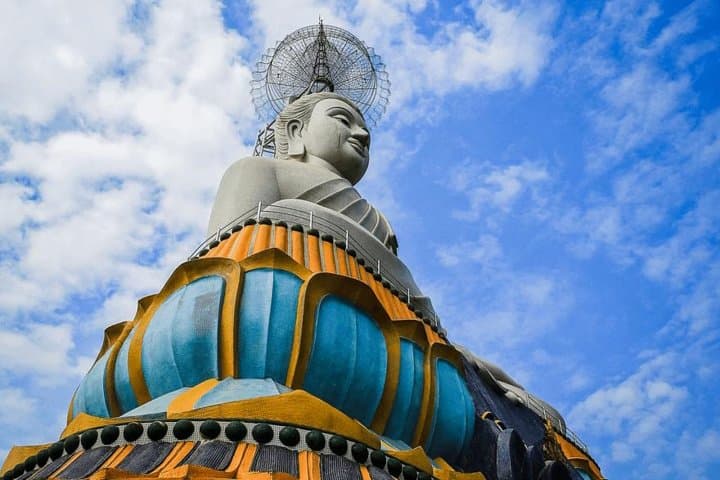
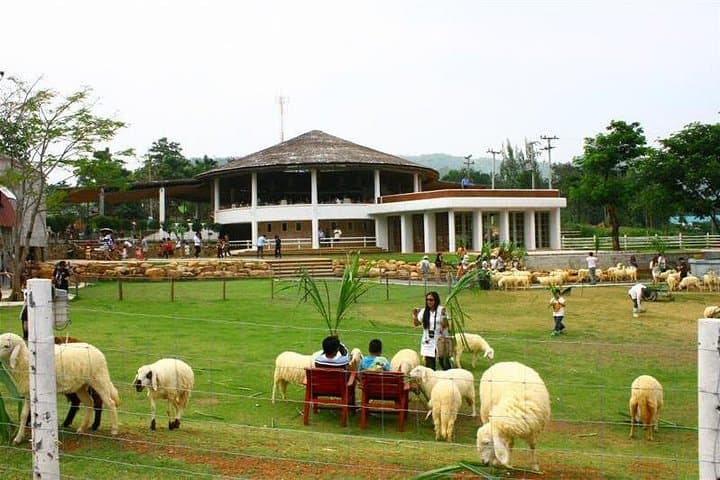
Ratchaburi sits on the western edge of central Thailand where the Tanao Si Range pushes up older limestone and sandstone. Caves here—Khao Bin among them—are products of millennia of acidic runoff dissolving rock, leaving chambers threaded with stalactites and colonies of bats. Local culture mixes monastic temples, small candle and textile workshops, and family-run farms such as The Scenery Vintage Farm, which reimagines pastoral life for visitors.
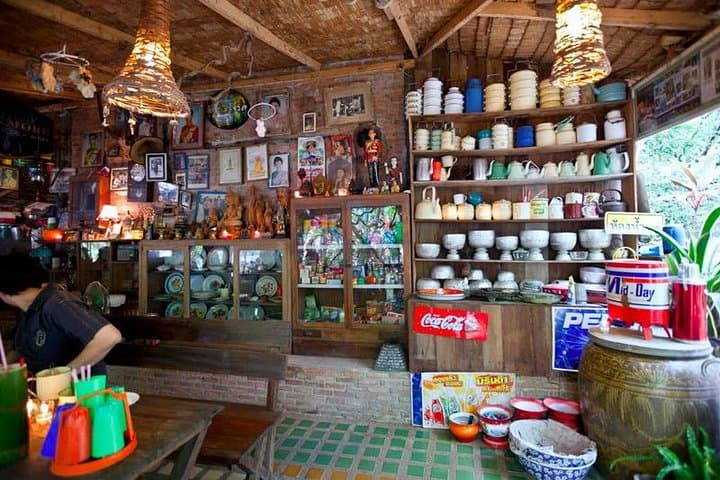
Expect short, paved walks and a few stair-stepped cave sections rather than technical trails; the hot springs at Bo Khlueng are fed by shallow geothermal currents and are popular for short, restorative soaks. The day balances photo-ready viewpoints, artisan stops like Baan Hom Tien, and pockets of low-impact nature.
Practical guide: the full-day loop runs about 9–10 hours and covers roughly 100–140 km round-trip from central Bangkok. Bring a swimsuit, quick-dry towel, sturdy walking shoes with grip for cave steps, and cash for small purchases. Go early to avoid midafternoon heat, hydrate frequently, and carry a light rain layer in wet season. Respect local customs at farms and temples and leave no trace—these sites rely on low-impact visitation to stay open and healthy for generations.
easy.
9–10 hours.
Suitable for most travelers with basic mobility; expect short walks, steps into caves, and minimal elevation changes.
Typical travel time is 1.5–2 hours each way depending on traffic; the full tour runs about 9–10 hours including stops.
Yes—this is a low-impact day tour with short walks and easy access points, but participants should be able to manage steps into caves and brief standing periods.
Yes—Bo Khlueng has natural pools for short soaks; bring swimwear and follow local signage about safe areas and water temperature.
Lunch and all admission fees listed in the itinerary are included; bring cash for optional souvenirs or extra snacks.
Ratchaburi’s communities grew alongside river and trade routes; local crafts like candle and textile making are long-practiced cottage industries tied to temple and agricultural life.
Many sites depend on responsible visitation—avoid littering, stick to marked paths in the park and respect bathing rules at hot springs to protect fragile springs and cave ecosystems.
Bangkok Travel Agency operates guided outdoor trips and adventures with an emphasis on safety, stewardship, and memorable experiences.
Morning light breaks over Bangkok’s highways and the city’s roar thins to a hum as the road bends toward Ratchaburi’s karst rim. Within two hours the landscape changes: flat paddies give way to rounded limestone hills, a lake mirrors Snake Mountain’s scarred slopes, and a private van drops you close to cool, earthen entrances and steaming mineral pools.
Morning light breaks over Bangkok’s highways and the city’s roar thins to a hum as the road bends toward Ratchaburi’s karst rim. Within two hours the landscape changes: flat paddies give way to rounded limestone hills, a lake mirrors Snake Mountain’s scarred slopes, and a private van drops you close to cool, earthen entrances and steaming mineral pools.
Ratchaburi sits on the western edge of central Thailand where the Tanao Si Range pushes up older limestone and sandstone. Caves here—Khao Bin among them—are products of millennia of acidic runoff dissolving rock, leaving chambers threaded with stalactites and colonies of bats. Local culture mixes monastic temples, small candle and textile workshops, and family-run farms such as The Scenery Vintage Farm, which reimagines pastoral life for visitors.
Expect short, paved walks and a few stair-stepped cave sections rather than technical trails; the hot springs at Bo Khlueng are fed by shallow geothermal currents and are popular for short, restorative soaks. The day balances photo-ready viewpoints, artisan stops like Baan Hom Tien, and pockets of low-impact nature.
Practical guide: the full-day loop runs about 9–10 hours and covers roughly 100–140 km round-trip from central Bangkok. Bring a swimsuit, quick-dry towel, sturdy walking shoes with grip for cave steps, and cash for small purchases. Go early to avoid midafternoon heat, hydrate frequently, and carry a light rain layer in wet season. Respect local customs at farms and temples and leave no trace—these sites rely on low-impact visitation to stay open and healthy for generations.