THE ADVENTURE COLLECTIVE® · Independent discovery and booking for outdoor travel

Ride ATVs across Roaring River countryside, sample local fruit and herbs, swim in a mineral spring and finish with a music-filled meal. This 5–6 hour cultural and off-road experience pairs beginner-friendly handling with immersive village stops.
Ride ATVs across Roaring River countryside, sample local fruit and herbs, swim in a mineral spring and finish with a music-filled meal. This 5–6 hour cultural and off-road experience pairs beginner-friendly handling with immersive village stops.
You start on the back of a quality ATV, engine rumbling beneath you, and the Jamaican countryside opens—green hills pressing at the edges of the trail while a warm trade wind pushes you forward. Tracks cut through sugarcane fields and small farms, and the guide points out a mineral spring ahead that glints like a pocket of sky.
Verified experiences and guided adventures in the surrounding area.
Operated by Jamaica Terrific Travel Tours · Montego Bay, St. James
You start on the back of a quality ATV, engine rumbling beneath you, and the Jamaican countryside opens—green hills pressing at the edges of the trail while a warm trade wind pushes you forward. Tracks cut through sugarcane fields and small farms, and the guide points out a mineral spring ahead that glints like a pocket of sky.
This route threads modern Rastafarian life with older island histories: smallhold farming, medicinal-herb traditions, and the legacy of Maroon and Mariner communities that shaped rural western Jamaica. Geologically, the area is lowland limestone with scattered spring-fed pools carved where water finds soft rock, creating shallow swimholes that locals have used for generations.
Cultural notes matter: your guides—local Rastafarian hosts alongside visiting expats—open conversations about herb lore, foodways, and live music that keeps the beat of the village. Expect stops to sample sugarcane, local fruits and to hear stories about plant medicine and the role of ganja in ritual and livelihood.
Practical guidance: the trip runs about 5–6 hours with hotel pickup, covering farm tracks, village lanes and a safe swimhole stop. Wear closed-toe shoes and long pants for the ride, pack sunscreen and a refillable water bottle, and bring a small waterproof bag for your phone. Helmets and basic instruction are provided, but if you’re new to ATVs take the initial practice seriously. Follow guides’ directions, respect private fields and local customs, and time the visit in the morning to avoid the hottest sun and the busiest traffic back toward Montego Bay.
moderate.
5–6 hours.
Light-to-moderate fitness—able to mount an ATV, handle short bursts of standing or walking, and swim if you choose.
No—operators provide a brief orientation and helmets; beginners can handle the trail but should pay close attention to the safety briefing.
Policies vary; infants may sit on laps and special infant seats can be requested, but check age and weight limits before booking.
Yes—the swimhole is shallow and commonly used, but watch for slippery rocks and follow guide advice about depth and entry points.
Yes—stops include local fruit sampling, a village bar and a final meal with music; small stalls may sell crafts and snacks.
Rastafarian culture and herbal knowledge in western Jamaica have roots in African healing traditions and local farming communities; the countryside traces back to small-scale sugar and subsistence farms.
Stay on designated tracks to avoid eroding karst features and springs; support local guides and vendors to keep tourism benefits in the community and reduce pressure on fragile water sources.
Jamaica Terrific Travel Tours operates guided outdoor trips and adventures with an emphasis on safety, stewardship, and memorable experiences.
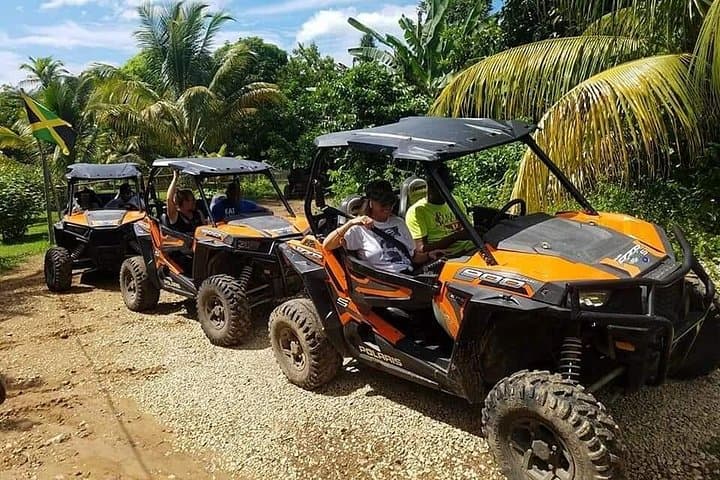
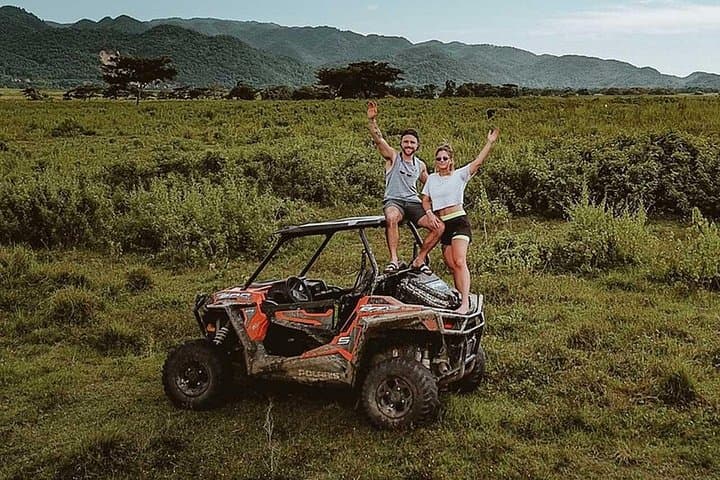
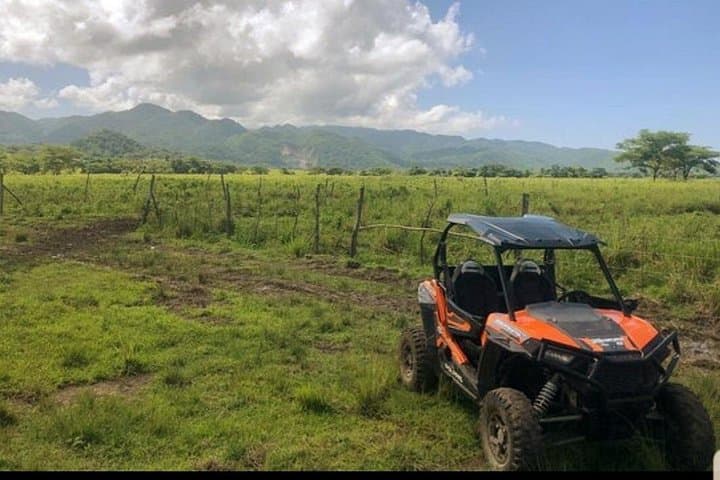
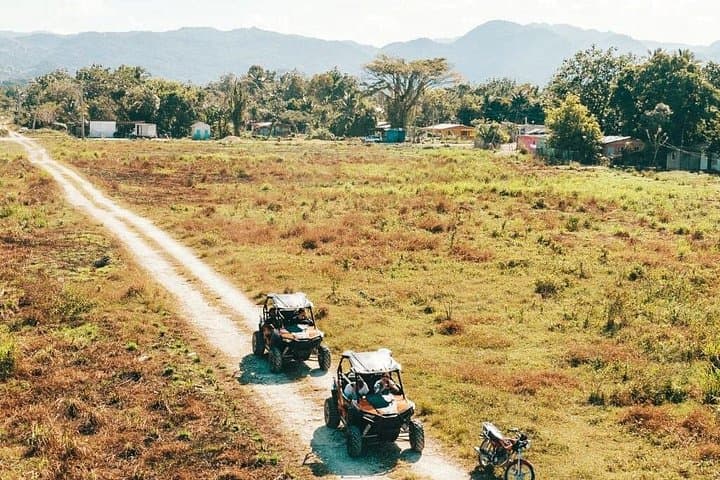
You start on the back of a quality ATV, engine rumbling beneath you, and the Jamaican countryside opens—green hills pressing at the edges of the trail while a warm trade wind pushes you forward. Tracks cut through sugarcane fields and small farms, and the guide points out a mineral spring ahead that glints like a pocket of sky.
You start on the back of a quality ATV, engine rumbling beneath you, and the Jamaican countryside opens—green hills pressing at the edges of the trail while a warm trade wind pushes you forward. Tracks cut through sugarcane fields and small farms, and the guide points out a mineral spring ahead that glints like a pocket of sky.
This route threads modern Rastafarian life with older island histories: smallhold farming, medicinal-herb traditions, and the legacy of Maroon and Mariner communities that shaped rural western Jamaica. Geologically, the area is lowland limestone with scattered spring-fed pools carved where water finds soft rock, creating shallow swimholes that locals have used for generations.
Cultural notes matter: your guides—local Rastafarian hosts alongside visiting expats—open conversations about herb lore, foodways, and live music that keeps the beat of the village. Expect stops to sample sugarcane, local fruits and to hear stories about plant medicine and the role of ganja in ritual and livelihood.
Practical guidance: the trip runs about 5–6 hours with hotel pickup, covering farm tracks, village lanes and a safe swimhole stop. Wear closed-toe shoes and long pants for the ride, pack sunscreen and a refillable water bottle, and bring a small waterproof bag for your phone. Helmets and basic instruction are provided, but if you’re new to ATVs take the initial practice seriously. Follow guides’ directions, respect private fields and local customs, and time the visit in the morning to avoid the hottest sun and the busiest traffic back toward Montego Bay.