THE ADVENTURE COLLECTIVE® · Independent discovery and booking for outdoor travel

A compact, family‑friendly day trip from Sharm El Sheikh to Ras Mohammed National Park that combines easy snorkeling, coastal geology, and mangrove walks. Expect vivid coral gardens, shallow bays for beginners, and accessible transport with hotel pickup.
A compact, family‑friendly day trip from Sharm El Sheikh to Ras Mohammed National Park that combines easy snorkeling, coastal geology, and mangrove walks. Expect vivid coral gardens, shallow bays for beginners, and accessible transport with hotel pickup.
You step off the air‑conditioned minibus and the smell of salt and sun hits first — the wind from the Red Sea pushing through low scrub and the distant call of seabirds. The Gate of Allah marks the threshold: a raw limestone coastline giving way to reefs that fall away into cobalt depths.
Verified experiences and guided adventures in the surrounding area.
Operated by Sharm Gate · Sharm El Sheikh, South Sinai
You step off the air‑conditioned minibus and the smell of salt and sun hits first — the wind from the Red Sea pushing through low scrub and the distant call of seabirds. The Gate of Allah marks the threshold: a raw limestone coastline giving way to reefs that fall away into cobalt depths.
Ras Mohammed sits at the southern tip of the Sinai, where tectonic fractures meet coral gardens. The park’s geology is obvious — uplifted reef terraces and a visible fault line created by ancient quakes — and its human history is woven through fishing camps and Bedouin routes that skirt the shore. Mangrove pockets along the northern coast desalinate seawater in plain sight, and small lagoons such as the so‑called Lake of Desires have cultivated local myths about healing waters.
The day usually includes shore access, a snorkeling stop in Barracuda Bay, and a short mangrove walk. Expect close encounters with coral bommies, gregarious reef fish, and sheltered shallows ideal for beginners. Guides explain the reserve’s nesting birds and the importance of staying off fragile corals.
Practical edge: arrive with reef‑safe sunscreen, a properly fitted mask, and a basic comfort with clearing water from your nose. The minibus pickup/delivery makes the trip accessible; plan for sun exposure between 10:00–15:00 when visibility and marine activity peak. Respect speed limits on reefs, avoid touching corals, and carry a light dry bag for cameras and valuables. In four hours you’ll travel, snorkel, walk, and return with a clear sense of why Ras Mohammed is a cornerstone of Red Sea conservation.
easy.
4 hours.
Suitable for most fitness levels; basic swimming ability recommended for snorkeling
No prior experience is required; guides typically brief beginners and choose shallow, sheltered snorkeling spots.
Rental gear is often available at a stop before entering the park for an additional fee, but bring your own if you prefer a trusted fit.
Yes — the tour notes it’s suitable for families, but ensure children are comfortable with short drives and can wear flotation devices if needed.
Yes — small waterproof cameras or phones in waterproof cases are fine; use a lanyard or dry bag to secure gear.
Ras Mohammed has been a navigational landmark for centuries and became Egypt’s first national park in 1983 to protect its unique marine and coastal habitats.
The park enforces no‑take zones and limits on boat access; visitors are asked to use reef‑safe products and avoid anchoring on corals to reduce impact.
Sharm Gate operates guided outdoor trips and adventures with an emphasis on safety, stewardship, and memorable experiences.

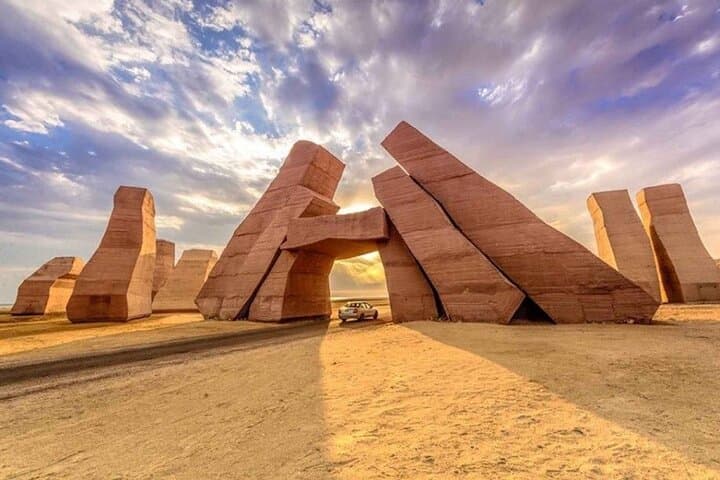


You step off the air‑conditioned minibus and the smell of salt and sun hits first — the wind from the Red Sea pushing through low scrub and the distant call of seabirds. The Gate of Allah marks the threshold: a raw limestone coastline giving way to reefs that fall away into cobalt depths.
You step off the air‑conditioned minibus and the smell of salt and sun hits first — the wind from the Red Sea pushing through low scrub and the distant call of seabirds. The Gate of Allah marks the threshold: a raw limestone coastline giving way to reefs that fall away into cobalt depths.
Ras Mohammed sits at the southern tip of the Sinai, where tectonic fractures meet coral gardens. The park’s geology is obvious — uplifted reef terraces and a visible fault line created by ancient quakes — and its human history is woven through fishing camps and Bedouin routes that skirt the shore. Mangrove pockets along the northern coast desalinate seawater in plain sight, and small lagoons such as the so‑called Lake of Desires have cultivated local myths about healing waters.
The day usually includes shore access, a snorkeling stop in Barracuda Bay, and a short mangrove walk. Expect close encounters with coral bommies, gregarious reef fish, and sheltered shallows ideal for beginners. Guides explain the reserve’s nesting birds and the importance of staying off fragile corals.
Practical edge: arrive with reef‑safe sunscreen, a properly fitted mask, and a basic comfort with clearing water from your nose. The minibus pickup/delivery makes the trip accessible; plan for sun exposure between 10:00–15:00 when visibility and marine activity peak. Respect speed limits on reefs, avoid touching corals, and carry a light dry bag for cameras and valuables. In four hours you’ll travel, snorkel, walk, and return with a clear sense of why Ras Mohammed is a cornerstone of Red Sea conservation.