THE ADVENTURE COLLECTIVE® · Independent discovery and booking for outdoor travel

A remote 15‑day trek to Rara Lake takes you into one of Nepal’s least-traveled national parks — high pine forests, quiet mountain passes and the deep blue alpine basin. Expect long days, high camps, and weather‑dependent flights in and out.
A remote 15‑day trek to Rara Lake takes you into one of Nepal’s least-traveled national parks — high pine forests, quiet mountain passes and the deep blue alpine basin. Expect long days, high camps, and weather‑dependent flights in and out.
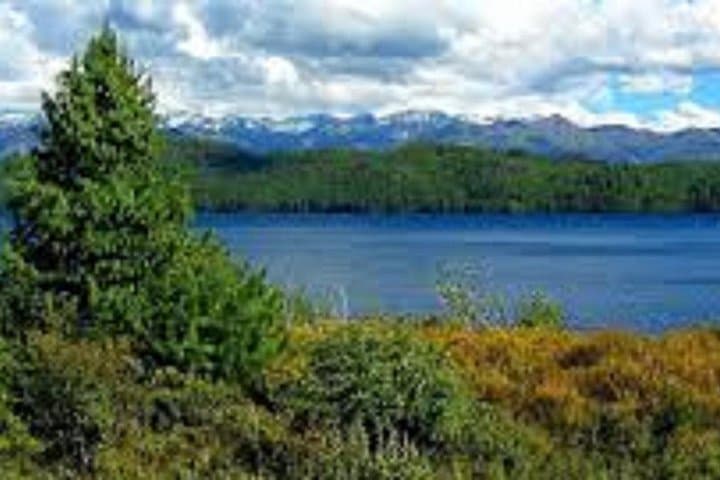
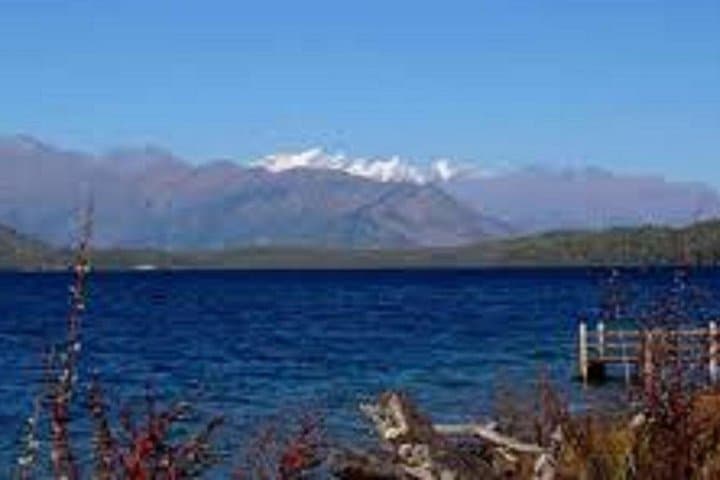
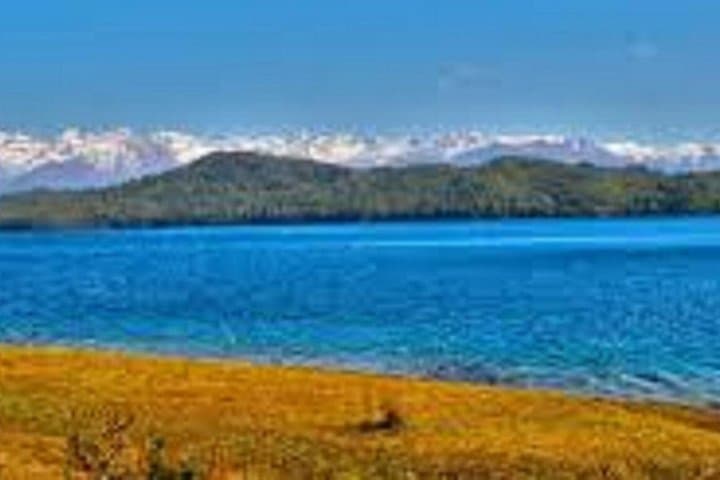
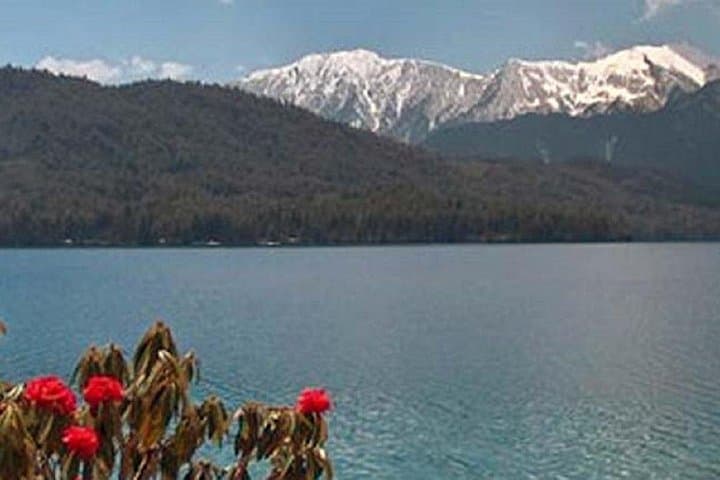
Dawn lifts cold light off the water — Rara Lake’s surface wakes like a dark mirror hemmed by conifer slopes. On a clear morning the peaks beyond the basin push a pale ridge of snow into view; the shore smells of pine sap and wet earth, and the quiet is so complete your breathing marks time with the lake.
Verified experiences and guided adventures in the surrounding area.
Operated by Mega Mount Trekking Expedition P. Ltd · Mugu, Karnali Province
Dawn lifts cold light off the water — Rara Lake’s surface wakes like a dark mirror hemmed by conifer slopes. On a clear morning the peaks beyond the basin push a pale ridge of snow into view; the shore smells of pine sap and wet earth, and the quiet is so complete your breathing marks time with the lake.
Rara sits at about 2,990 m inside Rara National Park, one of Nepal’s smallest protected areas. Geologically the basin is a high‑altitude moraine bowl carved by ancient glaciers; its altitude and isolation helped preserve blue pine, Himalayan spruce and cypress stands, and the region sustained trans‑Himalayan trade routes between Jumla and Mugu for centuries. Local Khas and Thakuri communities still practice pastoralism and seasonal agriculture; small villages ring the high valleys and offer simple teahouse hospitality.
Expect single‑track trails, steady climbs to 3,400–3,500 m passes, and long downhill approaches into river valleys. Wildlife is shy but present — musk deer, goral, and pheasant species inhabit the forested slopes; snow trout are noted in the lake.
Practical guidance: plan for thin air and remoteness — allow acclimatization days, carry a warm sleeping bag rated to at least -10°C, and pack a reliable water‑treatment method. Flights into Nepalgunj and Jumla are weather dependent; build flexibility into your schedule. Good waterproof boots, layered insulation, and a measured daily pace (4–6 hours trekking on typical days) will keep the route manageable. Respect park rules, minimize campfire use, and hire local guides and porters where possible to support communities and reduce environmental impact.
challenging.
14–15 days.
Good cardiovascular fitness and prior multi‑day trek experience recommended; ability to walk 4–6 hours with elevation gain.
Most itineraries include flights: international arrival to Kathmandu, domestic flight to Nepalgunj, then onward flight to Jumla where the trek begins.
Rara National Park requires entry permits and conservation fees; these are typically arranged by your trekking operator.
You may spot musk deer, goral, Himalayan pheasants and possibly signs of Himalayan black bear; sightings are more likely at dawn and dusk.
Due to remoteness and altitude, it’s better suited to trekkers with prior multi‑day experience; guided groups help manage logistics and safety.
The Jumla–Mugu valleys were part of historic trans‑Himalayan trade routes; local communities maintain traditional agricultural calendars and seasonal migrations.
Rara is a protected area with visitor rules to limit impact; use established campsites, avoid single‑use plastics, and support local guides to sustain the park economy.
Mega Mount Trekking Expedition P. Ltd operates guided outdoor trips and adventures with an emphasis on safety, stewardship, and memorable experiences.
Dawn lifts cold light off the water — Rara Lake’s surface wakes like a dark mirror hemmed by conifer slopes. On a clear morning the peaks beyond the basin push a pale ridge of snow into view; the shore smells of pine sap and wet earth, and the quiet is so complete your breathing marks time with the lake.
Dawn lifts cold light off the water — Rara Lake’s surface wakes like a dark mirror hemmed by conifer slopes. On a clear morning the peaks beyond the basin push a pale ridge of snow into view; the shore smells of pine sap and wet earth, and the quiet is so complete your breathing marks time with the lake.
Rara sits at about 2,990 m inside Rara National Park, one of Nepal’s smallest protected areas. Geologically the basin is a high‑altitude moraine bowl carved by ancient glaciers; its altitude and isolation helped preserve blue pine, Himalayan spruce and cypress stands, and the region sustained trans‑Himalayan trade routes between Jumla and Mugu for centuries. Local Khas and Thakuri communities still practice pastoralism and seasonal agriculture; small villages ring the high valleys and offer simple teahouse hospitality.
Expect single‑track trails, steady climbs to 3,400–3,500 m passes, and long downhill approaches into river valleys. Wildlife is shy but present — musk deer, goral, and pheasant species inhabit the forested slopes; snow trout are noted in the lake.
Practical guidance: plan for thin air and remoteness — allow acclimatization days, carry a warm sleeping bag rated to at least -10°C, and pack a reliable water‑treatment method. Flights into Nepalgunj and Jumla are weather dependent; build flexibility into your schedule. Good waterproof boots, layered insulation, and a measured daily pace (4–6 hours trekking on typical days) will keep the route manageable. Respect park rules, minimize campfire use, and hire local guides and porters where possible to support communities and reduce environmental impact.