THE ADVENTURE COLLECTIVE® · Independent discovery and booking for outdoor travel

Descend into Barranco Cova Fosca for a guided 4‑hour caving and rappelling experience in the Sierra de Segària. Expect multiple vertical rappels, narrow passages, and dramatic limestone chambers—guided gear and instruction included.
Descend into Barranco Cova Fosca for a guided 4‑hour caving and rappelling experience in the Sierra de Segària. Expect multiple vertical rappels, narrow passages, and dramatic limestone chambers—guided gear and instruction included.
You stand at the lip of Barranco Cova Fosca and the canyon draws you in—cool air exhales from the cave mouth, and the rough limestone walls drink the light. Guides clip harnesses, check lines, and the first rappel—15 meters—drops you past streaked calcite into a dim, echoing chamber. The second rappel, a narrower 20-meter shaft, squeezes the headroom and forces focus; the rock seems to close in with a deliberate hush.
Verified experiences and guided adventures in the surrounding area.
Operated by Alicante Aventura · Calpe, Valencian Community
You stand at the lip of Barranco Cova Fosca and the canyon draws you in—cool air exhales from the cave mouth, and the rough limestone walls drink the light. Guides clip harnesses, check lines, and the first rappel—15 meters—drops you past streaked calcite into a dim, echoing chamber. The second rappel, a narrower 20-meter shaft, squeezes the headroom and forces focus; the rock seems to close in with a deliberate hush.
Cova Fosca sits in the folds of the Sierra de Segària, a compact uplift of Cretaceous limestone that bears the fingerprints of ancient seas and steady karst weathering. Stalactites and stalagmites trace slow timelines; local shepherding and small mountain settlements have relied on these ravines for water and grazing for centuries. The cave’s tight passages and vertical pitches make it a technical caving route rather than a casual walk.
Expect a mix of ropework, chimneying through narrow sections, and floor-level exploration among chambers lit by headlamp. Guides supply helmets, harnesses, and instruction, but participants should be comfortable with exposure and basic rappel technique after a brief orientation.
Practical notes: wear sturdy boots with grip and long sleeves to protect against abrasive rock, bring layered clothing (caves stay cool year-round), and leave loose valuables behind. Plan for 3–4 hours on-site, moderate hydration, and a short hike to the cave entrance. If you have vertigo or cardiovascular concerns, this route is not recommended. For adventurous travelers comfortable with heights and confined spaces, Cova Fosca delivers controlled adrenaline and an intimate look at limestone geology.
challenging.
4 hours.
Moderate cardiovascular fitness and good mobility; must be comfortable with sustained exposure and body positioning in tight spaces.
No prior experience is required—guides provide instruction and technical gear—but you should be comfortable with heights and confined spaces.
Tours typically run up to 16 participants with qualified guides and full safety equipment and supervision throughout the activity.
Booking questions request age and weight; operators may have age or weight limits for safety—confirm during booking.
This route includes vertical rappels and narrow passages and is not suitable for those with limited mobility or serious spinal issues.
The Sierra de Segària is formed from Cretaceous limestone; locals historically used these ravines for seasonal shepherding and water collection.
Stick to established approaches, avoid touching formations (oils from skin damage calcite growth), and follow guides to minimize impact on fragile cave interiors.
Alicante Aventura operates guided outdoor trips and adventures with an emphasis on safety, stewardship, and memorable experiences.
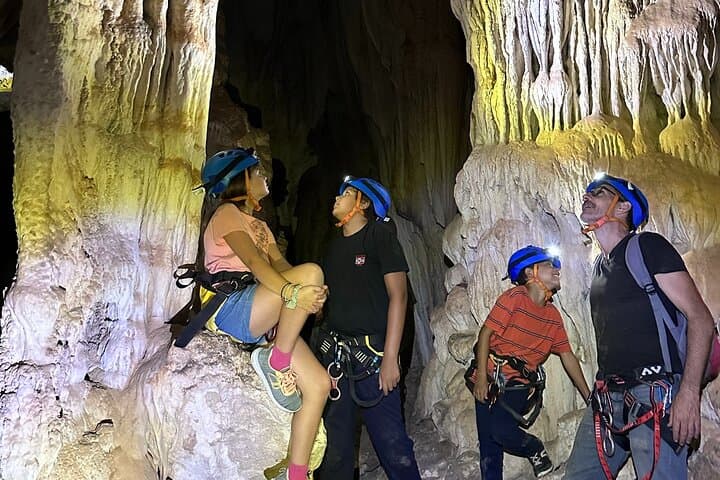
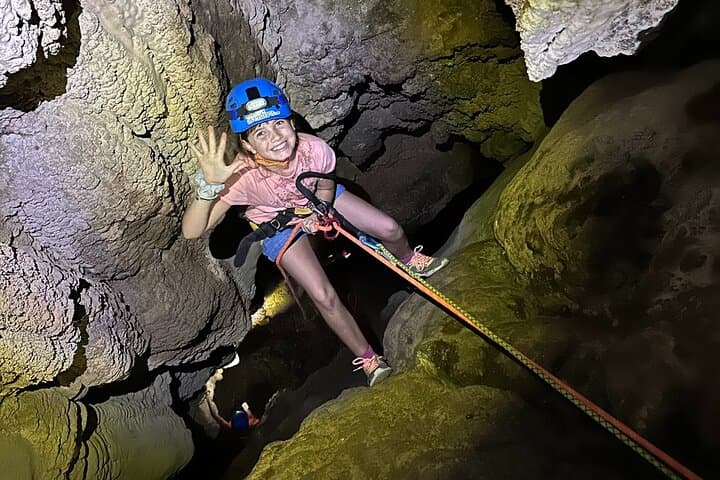
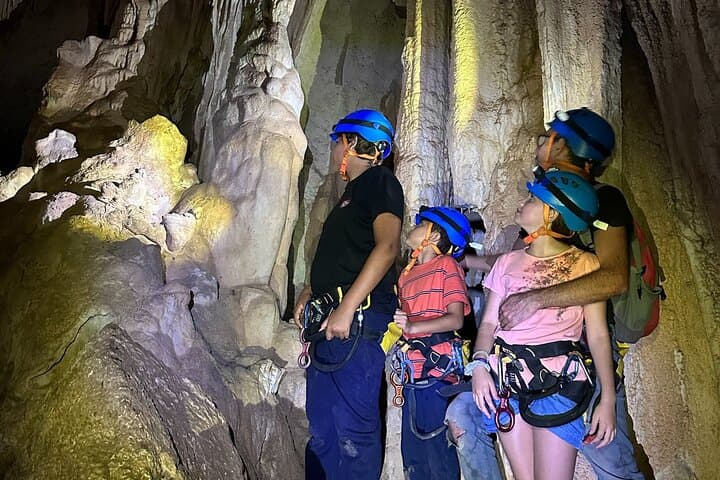
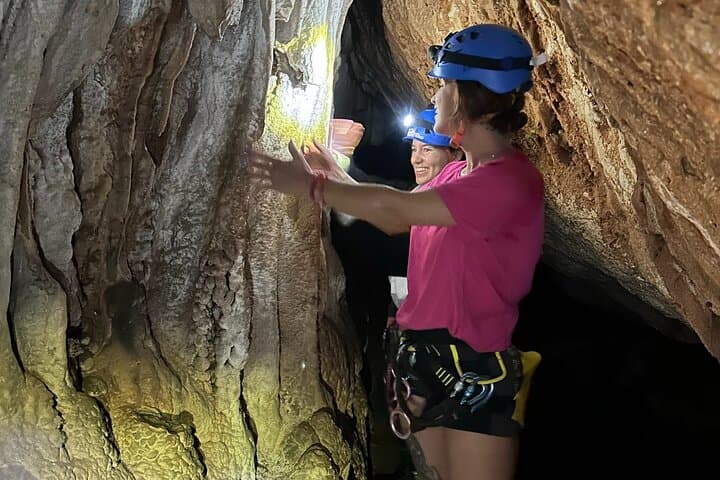
You stand at the lip of Barranco Cova Fosca and the canyon draws you in—cool air exhales from the cave mouth, and the rough limestone walls drink the light. Guides clip harnesses, check lines, and the first rappel—15 meters—drops you past streaked calcite into a dim, echoing chamber. The second rappel, a narrower 20-meter shaft, squeezes the headroom and forces focus; the rock seems to close in with a deliberate hush.
You stand at the lip of Barranco Cova Fosca and the canyon draws you in—cool air exhales from the cave mouth, and the rough limestone walls drink the light. Guides clip harnesses, check lines, and the first rappel—15 meters—drops you past streaked calcite into a dim, echoing chamber. The second rappel, a narrower 20-meter shaft, squeezes the headroom and forces focus; the rock seems to close in with a deliberate hush.
Cova Fosca sits in the folds of the Sierra de Segària, a compact uplift of Cretaceous limestone that bears the fingerprints of ancient seas and steady karst weathering. Stalactites and stalagmites trace slow timelines; local shepherding and small mountain settlements have relied on these ravines for water and grazing for centuries. The cave’s tight passages and vertical pitches make it a technical caving route rather than a casual walk.
Expect a mix of ropework, chimneying through narrow sections, and floor-level exploration among chambers lit by headlamp. Guides supply helmets, harnesses, and instruction, but participants should be comfortable with exposure and basic rappel technique after a brief orientation.
Practical notes: wear sturdy boots with grip and long sleeves to protect against abrasive rock, bring layered clothing (caves stay cool year-round), and leave loose valuables behind. Plan for 3–4 hours on-site, moderate hydration, and a short hike to the cave entrance. If you have vertigo or cardiovascular concerns, this route is not recommended. For adventurous travelers comfortable with heights and confined spaces, Cova Fosca delivers controlled adrenaline and an intimate look at limestone geology.