THE ADVENTURE COLLECTIVE® · Independent discovery and booking for outdoor travel

Lower yourself down rounded granite faces under the skeletal limbs of Joshua trees on a four-hour guided rappelling trip. Professional guides rig anchors, teach technique, and tailor descents for every comfort level in the park’s iconic climbing zones.
Lower yourself down rounded granite faces under the skeletal limbs of Joshua trees on a four-hour guided rappelling trip. Professional guides rig anchors, teach technique, and tailor descents for every comfort level in the park’s iconic climbing zones.
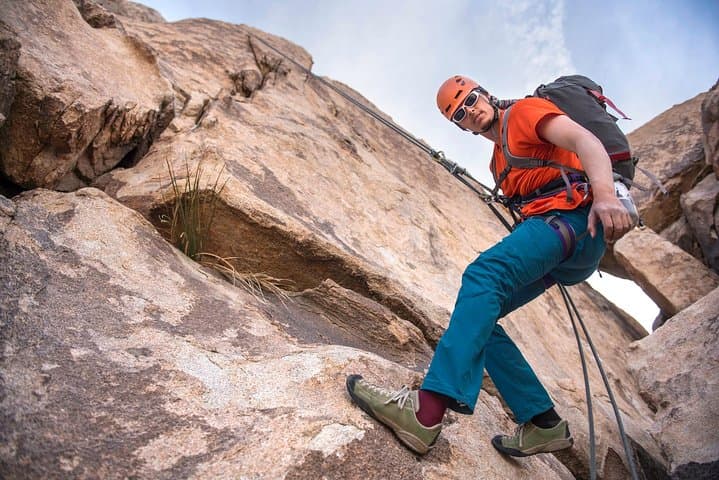
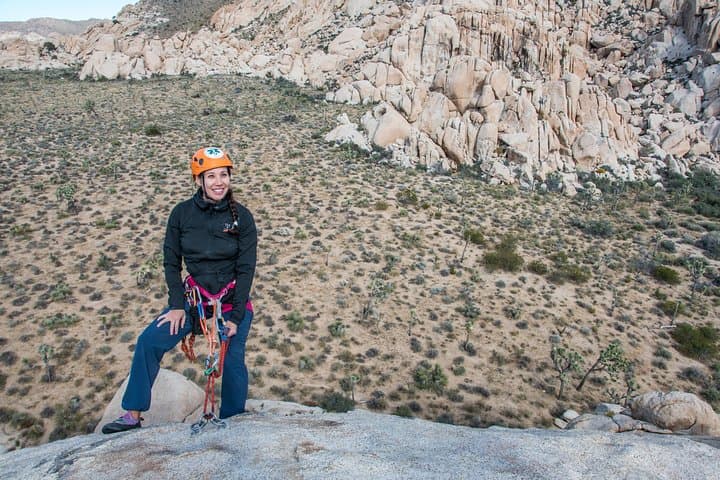
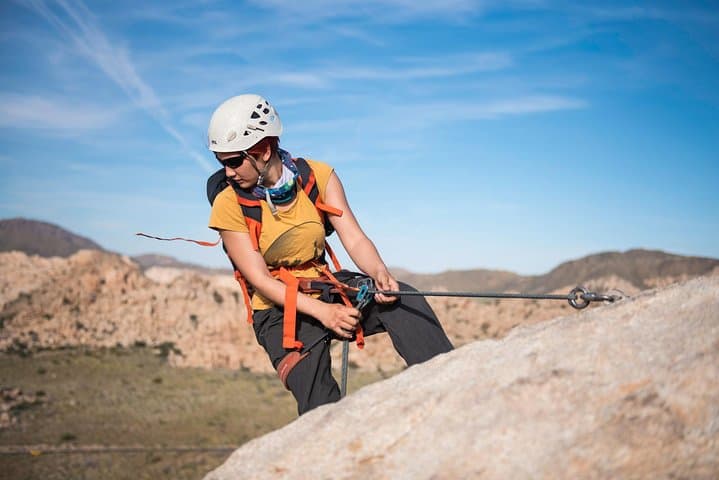
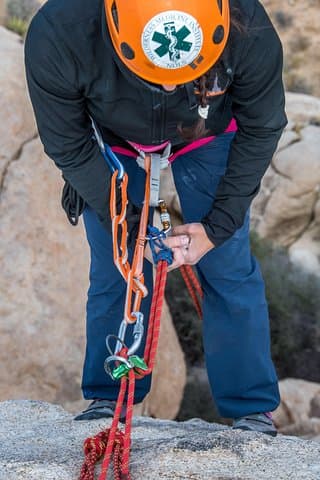
You stand at the lip of a granite face and the desert exhales around you — the skeletal crowns of Joshua trees casting long, inked shadows across sand and stone. The guide tests your harness with a practiced hand, the rope slips through belay device with a soft metallic whisper, and the park — wide, raw, uncompromising — waits below. This is not a showy summit; it’s an intimate negotiation with height and friction, a measured surrender as you lower yourself through cracks and overhangs that have been flaked and polished by millennia.
Verified experiences and guided adventures in the surrounding area.
Operated by Stone Adventures · Joshua Tree, California
You stand at the lip of a granite face and the desert exhales around you — the skeletal crowns of Joshua trees casting long, inked shadows across sand and stone. The guide tests your harness with a practiced hand, the rope slips through belay device with a soft metallic whisper, and the park — wide, raw, uncompromising — waits below. This is not a showy summit; it’s an intimate negotiation with height and friction, a measured surrender as you lower yourself through cracks and overhangs that have been flaked and polished by millennia.
Joshua Tree National Park grew from deep, slow heat. The vast rounded blocks you rappel on are monzogranite, cracked by cooling and sculpted by wind and desert wash. The landscape’s geology explains the climbing culture here: endless jumbles of climbable features that encourage short, technical moves and bold exposure. Indigenous peoples — primarily Serrano, Cahuilla and Chemehuevi — moved seasonally across this land; later miners and homesteaders found a harsh beauty worth staying for. Today, a tight-knit climbing community converges on these walls, balancing risk and reverence.
Guided rappelling trips like this one thread contemporary technique onto an ancient stage. Professional guides set anchors, teach devices, and tailor each descent to skill level — from a scrambly, adrenaline-tinged drop to a technical rappel that tests footwork and trust. The guides also carry Wilderness First Responder training and climbing-grade hardware, so the equipment meets the standard required for safely running ropes off natural anchors.
Practicalities are simple but non-negotiable. The trip runs about four hours and travels to classic climbing zones inside the park; exact meeting points vary seasonally for the best conditions. Bring sturdy approach shoes or light boots with sticky rubber for edging, sun protection, and at least 1.5 liters of water per person — more in summer. Expect direct sun on approach and cool, windy conditions on exposed faces, so a breathable wind layer is useful. National Park entrance fees apply, and all sales for this particular operator are final, so plan accordingly.
For photographers: aim for late afternoon when the granite warms and forms defined shadows; morning light softens the desert hues. Respect fragile cryptobiotic soil on approaches, pack out what you bring, and follow the guide’s instruction on anchor etiquette. Whether you’re lowering yourself for the first time or rehearsing a more technical descent, this four-hour romp through Joshua Tree’s granite gardens delivers controlled exposure, geological theater, and a salty, sun-baked version of freedom.
If you’re considering it, tell the operator your experience and comfort level when booking — routes will be selected to match. And remember: the desert asks for humility. Respect the rope, respect the rock, and you’ll get back down with a better sense of how wild this place quietly holds together.
moderate.
4 hours.
Moderate fitness — you should be comfortable with short scrambles, standing on steep terrain, and managing your body weight during controlled descents.
No — guides provide instruction for beginners and scale the technical difficulty to your comfort level, though a moderate fitness baseline is required.
Rappel heights vary by route; many are between 30–80 feet, but guides will choose appropriate drops based on group skill and objectives.
Bring water (at least 1.5 L), sun protection, sturdy shoes, snacks, and a small pack; rock climbing equipment and helmets are provided.
Operators typically ask age and ability during booking — adult pricing applies to all climbers for this trip and guides will confirm suitability prior to departure.
You are responsible for Joshua Tree National Park entrance fees; guides will meet at a specified location inside the park and the meeting point may vary seasonally.
This operator cancels in bad weather; their policy notes all sales final but trips will be called off if conditions are unsafe.
The park’s rocks are exposed remnants of cooled plutons that rose during the Mesozoic and were sculpted into the park’s famous rounded blocks; the area has long been home to Indigenous groups including the Serrano and Cahuilla.
Stick to established trails and anchor points to protect fragile cryptobiotic soils and avoid placing new permanent hardware; responsible guiding practices minimize route scarring.
Stone Adventures operates guided outdoor trips and adventures with an emphasis on safety, stewardship, and memorable experiences.
You stand at the lip of a granite face and the desert exhales around you — the skeletal crowns of Joshua trees casting long, inked shadows across sand and stone. The guide tests your harness with a practiced hand, the rope slips through belay device with a soft metallic whisper, and the park — wide, raw, uncompromising — waits below. This is not a showy summit; it’s an intimate negotiation with height and friction, a measured surrender as you lower yourself through cracks and overhangs that have been flaked and polished by millennia.
You stand at the lip of a granite face and the desert exhales around you — the skeletal crowns of Joshua trees casting long, inked shadows across sand and stone. The guide tests your harness with a practiced hand, the rope slips through belay device with a soft metallic whisper, and the park — wide, raw, uncompromising — waits below. This is not a showy summit; it’s an intimate negotiation with height and friction, a measured surrender as you lower yourself through cracks and overhangs that have been flaked and polished by millennia.
Joshua Tree National Park grew from deep, slow heat. The vast rounded blocks you rappel on are monzogranite, cracked by cooling and sculpted by wind and desert wash. The landscape’s geology explains the climbing culture here: endless jumbles of climbable features that encourage short, technical moves and bold exposure. Indigenous peoples — primarily Serrano, Cahuilla and Chemehuevi — moved seasonally across this land; later miners and homesteaders found a harsh beauty worth staying for. Today, a tight-knit climbing community converges on these walls, balancing risk and reverence.
Guided rappelling trips like this one thread contemporary technique onto an ancient stage. Professional guides set anchors, teach devices, and tailor each descent to skill level — from a scrambly, adrenaline-tinged drop to a technical rappel that tests footwork and trust. The guides also carry Wilderness First Responder training and climbing-grade hardware, so the equipment meets the standard required for safely running ropes off natural anchors.
Practicalities are simple but non-negotiable. The trip runs about four hours and travels to classic climbing zones inside the park; exact meeting points vary seasonally for the best conditions. Bring sturdy approach shoes or light boots with sticky rubber for edging, sun protection, and at least 1.5 liters of water per person — more in summer. Expect direct sun on approach and cool, windy conditions on exposed faces, so a breathable wind layer is useful. National Park entrance fees apply, and all sales for this particular operator are final, so plan accordingly.
For photographers: aim for late afternoon when the granite warms and forms defined shadows; morning light softens the desert hues. Respect fragile cryptobiotic soil on approaches, pack out what you bring, and follow the guide’s instruction on anchor etiquette. Whether you’re lowering yourself for the first time or rehearsing a more technical descent, this four-hour romp through Joshua Tree’s granite gardens delivers controlled exposure, geological theater, and a salty, sun-baked version of freedom.
If you’re considering it, tell the operator your experience and comfort level when booking — routes will be selected to match. And remember: the desert asks for humility. Respect the rope, respect the rock, and you’ll get back down with a better sense of how wild this place quietly holds together.