THE ADVENTURE COLLECTIVE® · Independent discovery and booking for outdoor travel

Lower yourself off smooth granite, trade the predictable for a practiced descent, and learn ropes skills under certified guides in Joshua Tree National Park. This full-day, 8‑hour tour pairs technical instruction with desert geology and panoramic views.
Lower yourself off smooth granite, trade the predictable for a practiced descent, and learn ropes skills under certified guides in Joshua Tree National Park. This full-day, 8‑hour tour pairs technical instruction with desert geology and panoramic views.
You clip in at the lip and the desert exhales below you — a mosaic of pale granite, spiky Joshua trees, and sun-bleached boulder piles that look like a city frozen mid-collapse. The guide counts you in, the rope slides, and for a moment the only sound is the scrape of harness on rock and the wind working its way through the trees. Rappelling here feels immediate: not just a drop, but a negotiated conversation with the stone.
Verified experiences and guided adventures in the surrounding area.
Operated by Stone Adventures · Joshua Tree, California
You clip in at the lip and the desert exhales below you — a mosaic of pale granite, spiky Joshua trees, and sun-bleached boulder piles that look like a city frozen mid-collapse. The guide counts you in, the rope slides, and for a moment the only sound is the scrape of harness on rock and the wind working its way through the trees. Rappelling here feels immediate: not just a drop, but a negotiated conversation with the stone.
Joshua Tree’s rock is old and honest. These are exfoliated granite slabs and monzogranite born of slow cooling and relentless erosion; the cracks, flakes and rounded faces you descend were shaped by millions of years of pressure release and desert weathering. Human history runs parallel. Indigenous groups — including the Serrano, Cahuilla and Chemehuevi peoples — moved through these valleys for centuries; later, miners and homesteaders left trails, mills and ruins that punctuate the park’s quieter corners.
The day tour threads technical instruction between long views. Guides will brief you on knots, anchor checks and body position, then move you through a sequence of approaches, short scrambles and vertical descents. Typical terrain is firm granite with sections of talus on approaches; expect a few exposed rappels of 20–80 feet interspersed with easier downclimbs. Elevation across common rappel sites ranges roughly 3,500–4,500 feet above sea level, with total hiking of about 2–4 miles and cumulative gain usually under 800 feet — enough to earn the view without turning the day into a mountaineering slog.
Culturally, the park balances solitude and popularity: some formations draw climbers and photographers at dawn, while other spurs remain nearly silent. Conservation is visible in the rules: stay off cryptobiotic soil, pack out all waste, and follow Leave No Trace practices — the desert’s thin skin repairs slowly.
Practical guidance: arrive hydrated and sun-protected; bring sturdy approach shoes with grippy soles, a small daypack, and layers for wind and shade. Guides supply ropes, harnesses, helmets and instruction, so technical beginners are welcome — but a moderate level of fitness and comfort with exposure will make the day smoother. Summer afternoons can be dangerously hot; early starts and fall–spring windows are often best for comfortable temps.
By late afternoon, after a last descent and a final check of knots, you’ll stand at the base and look back up at the line you chose. That rope — taut between you and the rim — will feel less like gear and more like a route into a new side of the desert: exacting, elemental and surprisingly intimate.
moderate.
8 hours.
Moderate — able to scramble over rocks, handle exposure, and hike short distances with a daypack.
No — guides provide hands-on instruction and all technical gear. A basic comfort with exposure helps, but beginners are welcome.
This booking is listed as a private tour; the exact group size will be confirmed at booking and may vary by operator availability.
The operator emails a specific meeting location in Joshua Tree National Park after booking; it varies seasonally to optimize conditions.
Yes — the trip includes professionally certified rock climbing guides and a Wilderness First Responder on staff.
All sales are final according to the operator’s policy; refunds are not available for cancellations.
Bring water (2–3 L), snacks, sun protection, sturdy shoes, layers, and any personal medications. Guides supply rope, harness, helmet and other technical gear.
The park sits on land historically used by Serrano, Cahuilla and Chemehuevi peoples and later by miners and ranchers; remnants of mills and homesteads dot backcountry routes.
Joshua Tree’s fragile soils and rare species require staying on established routes, packing out waste, and avoiding nocturnal lighting practices that disrupt wildlife.
Stone Adventures operates guided outdoor trips and adventures with an emphasis on safety, stewardship, and memorable experiences.
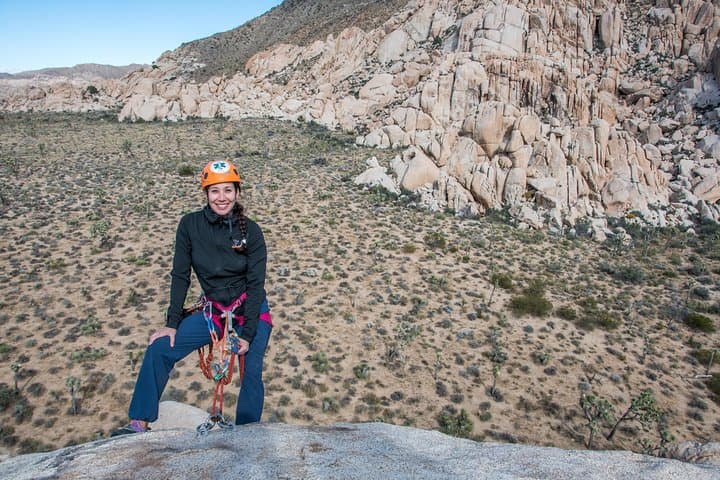
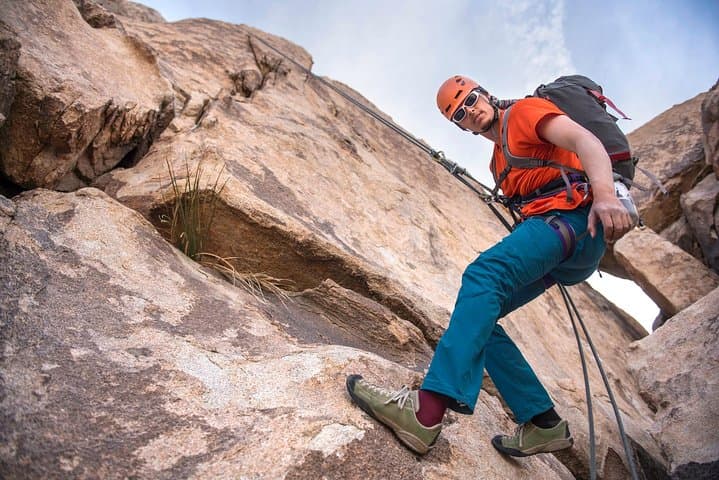
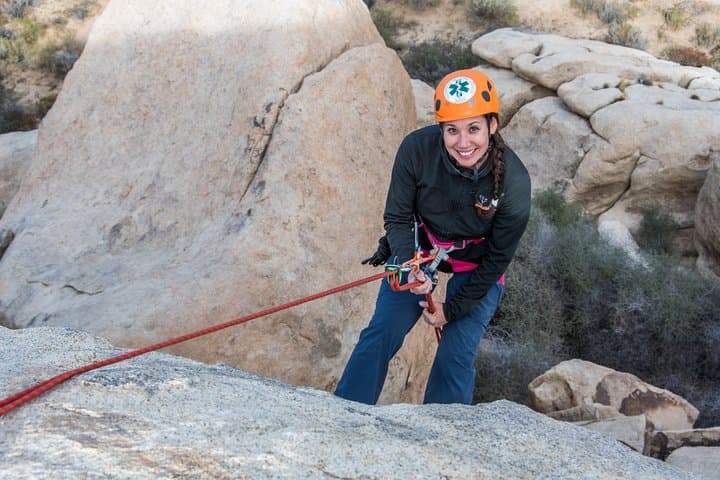
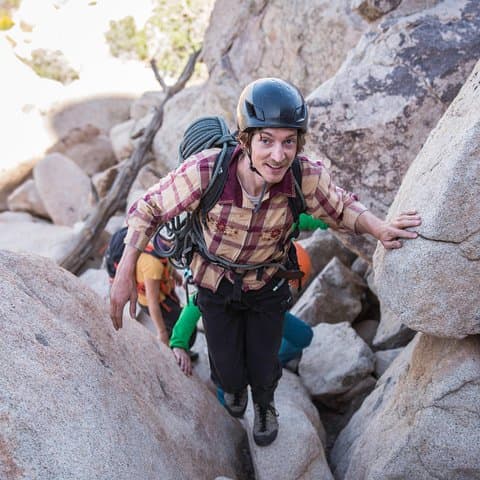
You clip in at the lip and the desert exhales below you — a mosaic of pale granite, spiky Joshua trees, and sun-bleached boulder piles that look like a city frozen mid-collapse. The guide counts you in, the rope slides, and for a moment the only sound is the scrape of harness on rock and the wind working its way through the trees. Rappelling here feels immediate: not just a drop, but a negotiated conversation with the stone.
You clip in at the lip and the desert exhales below you — a mosaic of pale granite, spiky Joshua trees, and sun-bleached boulder piles that look like a city frozen mid-collapse. The guide counts you in, the rope slides, and for a moment the only sound is the scrape of harness on rock and the wind working its way through the trees. Rappelling here feels immediate: not just a drop, but a negotiated conversation with the stone.
Joshua Tree’s rock is old and honest. These are exfoliated granite slabs and monzogranite born of slow cooling and relentless erosion; the cracks, flakes and rounded faces you descend were shaped by millions of years of pressure release and desert weathering. Human history runs parallel. Indigenous groups — including the Serrano, Cahuilla and Chemehuevi peoples — moved through these valleys for centuries; later, miners and homesteaders left trails, mills and ruins that punctuate the park’s quieter corners.
The day tour threads technical instruction between long views. Guides will brief you on knots, anchor checks and body position, then move you through a sequence of approaches, short scrambles and vertical descents. Typical terrain is firm granite with sections of talus on approaches; expect a few exposed rappels of 20–80 feet interspersed with easier downclimbs. Elevation across common rappel sites ranges roughly 3,500–4,500 feet above sea level, with total hiking of about 2–4 miles and cumulative gain usually under 800 feet — enough to earn the view without turning the day into a mountaineering slog.
Culturally, the park balances solitude and popularity: some formations draw climbers and photographers at dawn, while other spurs remain nearly silent. Conservation is visible in the rules: stay off cryptobiotic soil, pack out all waste, and follow Leave No Trace practices — the desert’s thin skin repairs slowly.
Practical guidance: arrive hydrated and sun-protected; bring sturdy approach shoes with grippy soles, a small daypack, and layers for wind and shade. Guides supply ropes, harnesses, helmets and instruction, so technical beginners are welcome — but a moderate level of fitness and comfort with exposure will make the day smoother. Summer afternoons can be dangerously hot; early starts and fall–spring windows are often best for comfortable temps.
By late afternoon, after a last descent and a final check of knots, you’ll stand at the base and look back up at the line you chose. That rope — taut between you and the rim — will feel less like gear and more like a route into a new side of the desert: exacting, elemental and surprisingly intimate.