THE ADVENTURE COLLECTIVE® · Independent discovery and booking for outdoor travel

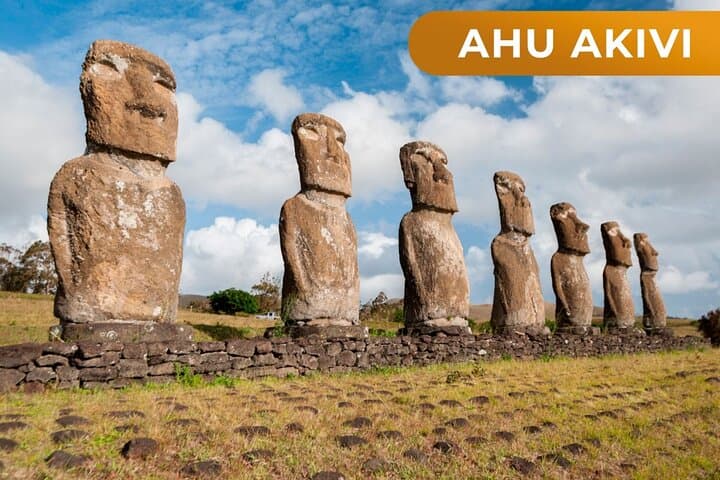
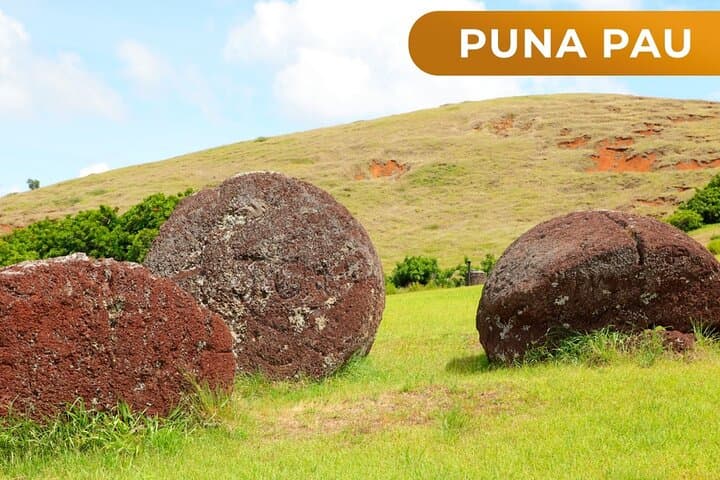
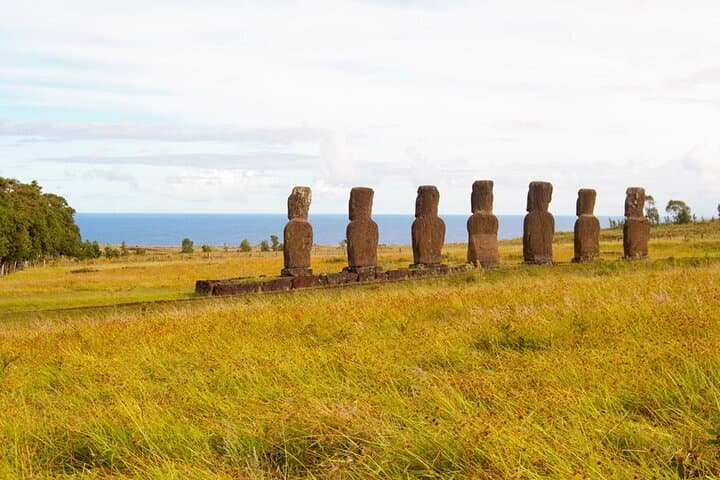
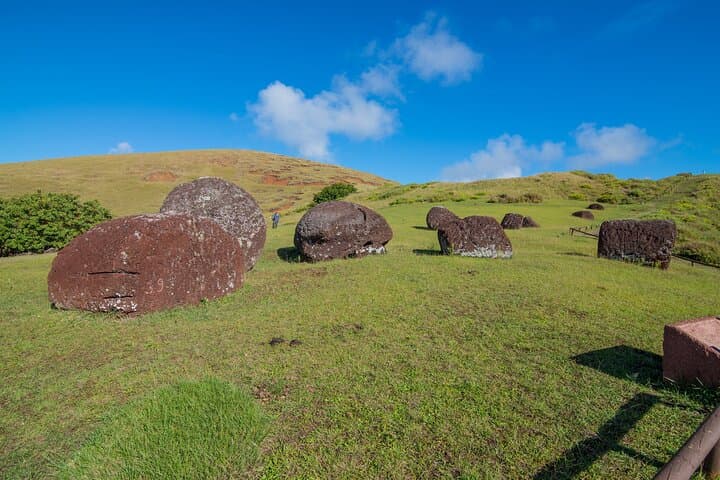
See the red‑stone pukaos at Puna Pau, the unique seven moai at Ahu Akivi, and ocean‑facing platforms at Tahai on a guided half‑day loop around Rapa Nui. This short, interpretive tour pairs accessible walks with deep cultural context—ideal as a morning primer on Easter Island.
See the red‑stone pukaos at Puna Pau, the unique seven moai at Ahu Akivi, and ocean‑facing platforms at Tahai on a guided half‑day loop around Rapa Nui. This short, interpretive tour pairs accessible walks with deep cultural context—ideal as a morning primer on Easter Island.
A warm trade wind carries the salt and the conversation as an air‑conditioned minibus rumbles away from Hanga Roa toward the island’s oldest stories carved in stone. In the space of a morning you move from the red scoria of Puna Pau—where the pukaos that crowned moai were shaped—to the rare inland line of seven figures at Ahu Akivi, and finally to the coastal platform of Tahai where restored moai look back at the Pacific.
Verified experiences and guided adventures in the surrounding area.
Operated by Maururu Travel · Hanga Roa, Valparaíso Region
A warm trade wind carries the salt and the conversation as an air‑conditioned minibus rumbles away from Hanga Roa toward the island’s oldest stories carved in stone. In the space of a morning you move from the red scoria of Puna Pau—where the pukaos that crowned moai were shaped—to the rare inland line of seven figures at Ahu Akivi, and finally to the coastal platform of Tahai where restored moai look back at the Pacific.
Geologically, Rapa Nui is a trio of extinct volcanoes—tuff, scoria and basalt laid down by eruptions that make the island blush red and black. Culturally, the moai are the island’s civic memory: chiefs, ancestors and possibly voyagers linked to the arrival of King Hotu Matu'a more than a millennium ago. Guides on this half‑day tour explain quarrying techniques at Puna Pau and the logistical feats that moved multi‑ton statues across rugged ground.
Expect short, interpretive walks on uneven volcanic tuff and rocky coastal benches; elevation change is minimal but footing can be loose. The experience balances close-up archaeology with big ocean views—bring sun protection and steady shoes. Practical matters: most tours include hotel pickup and guided interpretation but often not the national park admission fee—confirm before you go. Travel early in the day to avoid the strongest sun, and give each site 30–60 minutes to absorb rockwork, faces and faint petroglyph traces. Respect fenced areas, keep a modest pace, and let the island’s wind and stone set the tempo for exploration.
easy.
2–3 hours.
Suitable for most fitness levels—requires short walks over uneven ground and standing during interpretation.
This half‑day hop‑along loop typically visits Puna Pau, Ahu Akivi and Tahai with short guided stops; plan on roughly 2–3 hours including transfers and time at each site.
The tour is rated easy and includes short walks, but some surfaces are uneven; parents and guests with mobility limits should note there may be steps or rough ground at viewpoints.
Yes—park admission is generally required and may not be included in the tour price; check with your operator before arrival to confirm inclusion and payment methods.
Personal photography is allowed at most sites, but do not cross barriers or climb on monuments; drone rules are strict and often require permits—verify local regulations before flying.
The moai record ancestor veneration and island social structure; many figures were carved and moved during a concentrated period of activity tied to settlement traditions attributed to King Hotu Matu'a.
Rapa Nui faces visitor‑pressure and erosion; visitors are asked to stay on marked paths, avoid touching carved surfaces and support local conservation fees when possible.
Maururu Travel operates guided outdoor trips and adventures with an emphasis on safety, stewardship, and memorable experiences.
A warm trade wind carries the salt and the conversation as an air‑conditioned minibus rumbles away from Hanga Roa toward the island’s oldest stories carved in stone. In the space of a morning you move from the red scoria of Puna Pau—where the pukaos that crowned moai were shaped—to the rare inland line of seven figures at Ahu Akivi, and finally to the coastal platform of Tahai where restored moai look back at the Pacific.
A warm trade wind carries the salt and the conversation as an air‑conditioned minibus rumbles away from Hanga Roa toward the island’s oldest stories carved in stone. In the space of a morning you move from the red scoria of Puna Pau—where the pukaos that crowned moai were shaped—to the rare inland line of seven figures at Ahu Akivi, and finally to the coastal platform of Tahai where restored moai look back at the Pacific.
Geologically, Rapa Nui is a trio of extinct volcanoes—tuff, scoria and basalt laid down by eruptions that make the island blush red and black. Culturally, the moai are the island’s civic memory: chiefs, ancestors and possibly voyagers linked to the arrival of King Hotu Matu'a more than a millennium ago. Guides on this half‑day tour explain quarrying techniques at Puna Pau and the logistical feats that moved multi‑ton statues across rugged ground.
Expect short, interpretive walks on uneven volcanic tuff and rocky coastal benches; elevation change is minimal but footing can be loose. The experience balances close-up archaeology with big ocean views—bring sun protection and steady shoes. Practical matters: most tours include hotel pickup and guided interpretation but often not the national park admission fee—confirm before you go. Travel early in the day to avoid the strongest sun, and give each site 30–60 minutes to absorb rockwork, faces and faint petroglyph traces. Respect fenced areas, keep a modest pace, and let the island’s wind and stone set the tempo for exploration.