THE ADVENTURE COLLECTIVE® · Independent discovery and booking for outdoor travel

Two full days on Rapa Nui concentrate the island's monuments and volcanic drama into a compact, accessible itinerary. This small-group tour covers Anakena's beaches, Rano Raraku's moai quarry, Orongo's cliff-top village and other key sites with practical guidance for first-time visitors.
Two full days on Rapa Nui concentrate the island's monuments and volcanic drama into a compact, accessible itinerary. This small-group tour covers Anakena's beaches, Rano Raraku's moai quarry, Orongo's cliff-top village and other key sites with practical guidance for first-time visitors.
You arrive by late-afternoon light; the ocean air is sharp, and basalt cliffs throw long shadows across the low volcanic soil. Hanga Roa hums quietly, a compact town framed by grassy slopes and the silhouette of distant craters. Over two full days the island opens like a field guide: colossal carved faces, wind-sculpted terraces, and cliff-top views that make the Pacific feel endless.
Verified experiences and guided adventures in the surrounding area.
Operated by RAPA NUI DREAM · Hanga Roa, Valparaíso Region
You arrive by late-afternoon light; the ocean air is sharp, and basalt cliffs throw long shadows across the low volcanic soil. Hanga Roa hums quietly, a compact town framed by grassy slopes and the silhouette of distant craters. Over two full days the island opens like a field guide: colossal carved faces, wind-sculpted terraces, and cliff-top views that make the Pacific feel endless.
Geology here is blunt and recent — volcanic cones, red scoria pits and a shallow freshwater crater lake at Rano Kau that once sustained settlements. The Moai are human-made landmarks of a complex society whose history includes ocean voyaging, agricultural ingenuity, and later, upheaval from internal conflict and external contact. Contemporary Rapa Nui culture remains visible in local craft, song and the care taken restoring ahu platforms.
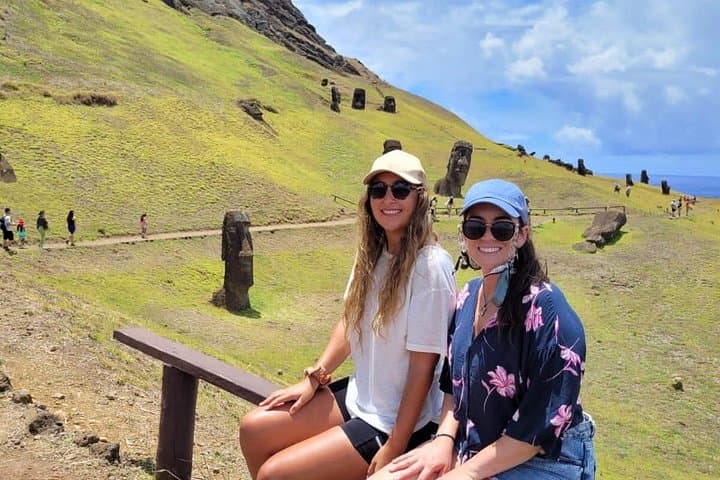
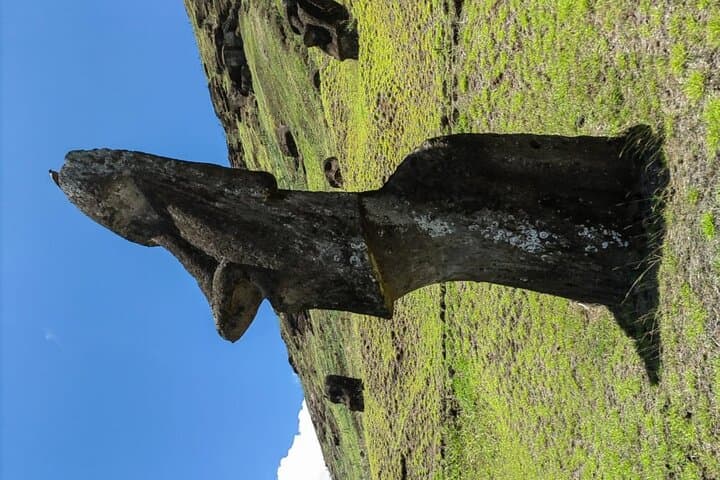
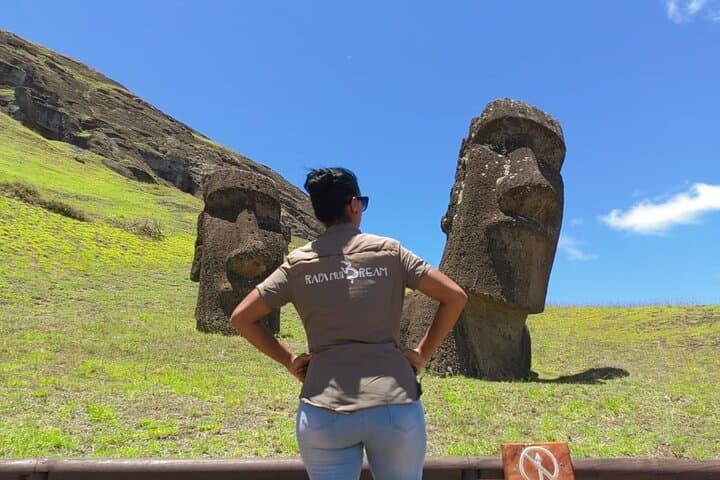
Expect guided stops at Anakena beach and its restored ahu, the open quarries of Rano Raraku where hundreds of statues sit half-carved, Puna Pau’s red pukao quarry and the Orongo ceremonial village atop Rano Kau. Walks range from short paved stretches to uneven volcanic rock and grassy slopes; sun and wind are constant companions.
Practical notes: buy the national park ticket before your first day, bring sun protection and sturdy footwear, and carry water — services are limited between sites. Mornings are cooler and better for photos; late afternoons offer softer light on the moai but stronger winds. Respect ropes and signs: many sites are fragile. With careful planning two days gives a compact, revealing survey of Rapa Nui’s landscape, archaeology and living culture.
moderate.
6–7 hours per day.
Reasonable mobility and stamina for multiple stops, short hikes and uneven ground; light to moderate walking ability required
Yes — the Parque Nacional Rapa Nui ticket is required at many archaeological sites; buy it before your first day at Ma'u Henua or online.
Each day includes several short walks (10–90 minutes) on uneven terrain; you should be comfortable with moderate walking and some short climbs.
Lunch is included per the tour description, but check dietary needs in advance and budget for drinks or snacks between sites.
Infants can ride in strollers for some transfers, but many sites have uneven ground and require carrying small children; check accessibility at specific ahu.
Rapa Nui’s moai were carved between the 13th and 17th centuries; many platforms (ahu) were central to clan identity and ceremonial life.
The national park ticket funds site protection; visitors should stay on marked paths, avoid touching petroglyphs and limit drone use to protect nesting birds.
RAPA NUI DREAM operates guided outdoor trips and adventures with an emphasis on safety, stewardship, and memorable experiences.

You arrive by late-afternoon light; the ocean air is sharp, and basalt cliffs throw long shadows across the low volcanic soil. Hanga Roa hums quietly, a compact town framed by grassy slopes and the silhouette of distant craters. Over two full days the island opens like a field guide: colossal carved faces, wind-sculpted terraces, and cliff-top views that make the Pacific feel endless.
You arrive by late-afternoon light; the ocean air is sharp, and basalt cliffs throw long shadows across the low volcanic soil. Hanga Roa hums quietly, a compact town framed by grassy slopes and the silhouette of distant craters. Over two full days the island opens like a field guide: colossal carved faces, wind-sculpted terraces, and cliff-top views that make the Pacific feel endless.
Geology here is blunt and recent — volcanic cones, red scoria pits and a shallow freshwater crater lake at Rano Kau that once sustained settlements. The Moai are human-made landmarks of a complex society whose history includes ocean voyaging, agricultural ingenuity, and later, upheaval from internal conflict and external contact. Contemporary Rapa Nui culture remains visible in local craft, song and the care taken restoring ahu platforms.
Expect guided stops at Anakena beach and its restored ahu, the open quarries of Rano Raraku where hundreds of statues sit half-carved, Puna Pau’s red pukao quarry and the Orongo ceremonial village atop Rano Kau. Walks range from short paved stretches to uneven volcanic rock and grassy slopes; sun and wind are constant companions.
Practical notes: buy the national park ticket before your first day, bring sun protection and sturdy footwear, and carry water — services are limited between sites. Mornings are cooler and better for photos; late afternoons offer softer light on the moai but stronger winds. Respect ropes and signs: many sites are fragile. With careful planning two days gives a compact, revealing survey of Rapa Nui’s landscape, archaeology and living culture.