THE ADVENTURE COLLECTIVE® · Independent discovery and booking for outdoor travel

Arrive midday and use four focused days to tour Easter Island’s moai, quarries and coastal platforms with a private guide and transport. This practical itinerary blends geology, ritual history and local insights so you leave having truly seen Rapa Nui.
Arrive midday and use four focused days to tour Easter Island’s moai, quarries and coastal platforms with a private guide and transport. This practical itinerary blends geology, ritual history and local insights so you leave having truly seen Rapa Nui.
You step off the plane and the Pacific wind seems to push you straight toward stone giants. Low light paints the moai in hard relief as your private guide outlines four days of coastlines, volcanic cones and ceremonial platforms—compact enough to arrive midday and leave on the third day with a real sense of place.
Verified experiences and guided adventures in the surrounding area.
Operated by Kava Kava Tours · Hanga Roa, Valparaíso Region
You step off the plane and the Pacific wind seems to push you straight toward stone giants. Low light paints the moai in hard relief as your private guide outlines four days of coastlines, volcanic cones and ceremonial platforms—compact enough to arrive midday and leave on the third day with a real sense of place.
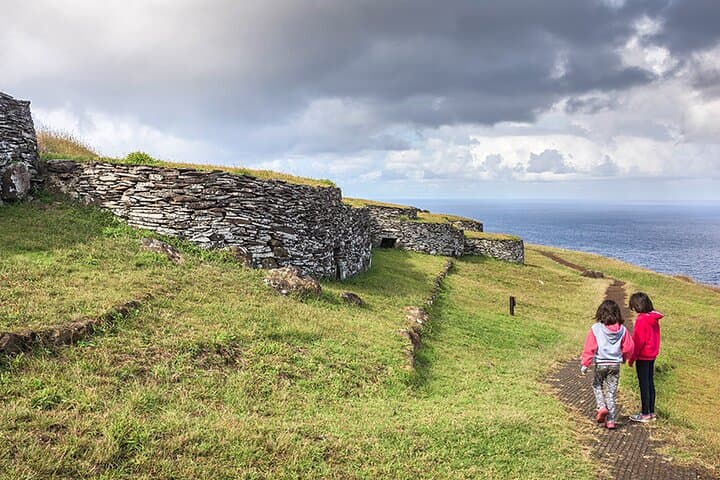
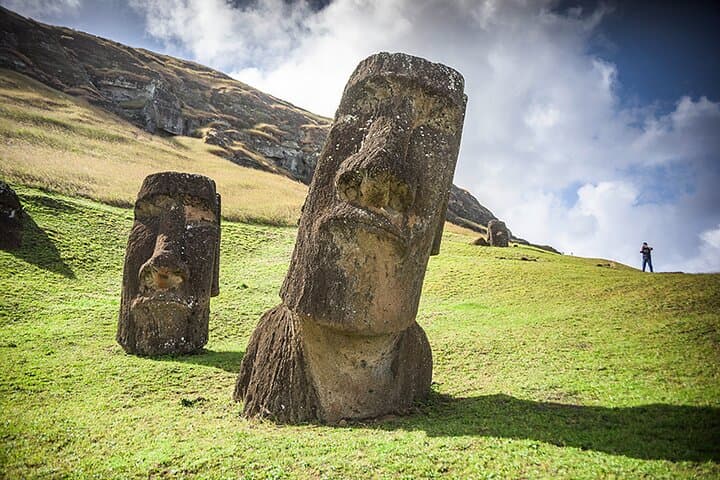
Easter Island (Rapa Nui) reads like a geological and human ledger: volcanic tuff and basalt quarried at Rano Raraku; red scoria from Puna Pau shaped into pukao; and ahu platforms realigned by 20th-century archaeologists like William Mulloy. Orongo’s birdman village crowns the Rano Kau rim, where the crater lake and endemic plants speak to the island’s isolation. In town, the Santa Cruz church and the craft market reveal a living Rapa Nui culture mixing Christian symbols and ancestral motifs.
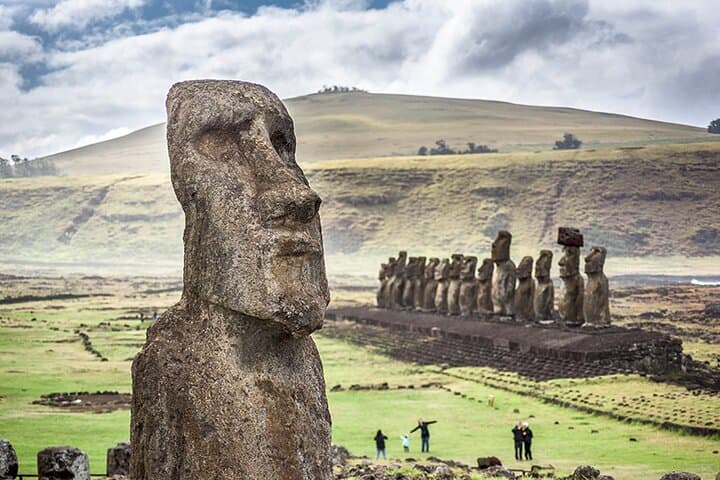
This private itinerary stitches together Tahai at sunset, the towering line of Tongariki at sunrise, the moai-strewn slopes of Rano Raraku and the white-sand calm of Anakena with door-to-door transport and a local guide who explains carving techniques, ceremonial use and oral history.
Practically, expect uneven ground, exposed coastal wind, and short climbs around crater rims. Many archaeological sites fall under Rapa Nui National Park regulations and require entrance fees—confirm ahead. Bring sun protection, sturdy shoes, a light rain shell and respect photo and access restrictions around restored ahu. With a steady pace and local context provided by your guide, four days is enough to see the island’s major monuments without rushing.
moderate.
4 days.
Suitable for travelers who can handle several hours of walking over uneven, rocky ground and short climbs; not strenuous but requires mobility.
Yes—most archaeological areas are managed by Rapa Nui National Park and require an entrance fee; confirm current prices and purchase options before arrival.
No technical skills are required, but expect walking on uneven ground, short climbs and standing during guided explanations; basic mobility is sufficient.
Lunch is included on full-day itineraries as noted, typically offering local salads, protein choices and bottled water; confirm dietary needs at booking.
Yes—this is a private tour with dedicated transport between sites and a professional guide for personalized context and pacing.
Rapa Nui’s monumental moai and ahu reflect centuries of island society and ritual, with major restoration projects occurring in the 20th century led by international archaeologists alongside local communities.
Visitor impact is managed through park permits and marked paths—stick to trails, avoid touching restored statues and support local artisans to contribute to community-led conservation.
Kava Kava Tours operates guided outdoor trips and adventures with an emphasis on safety, stewardship, and memorable experiences.

You step off the plane and the Pacific wind seems to push you straight toward stone giants. Low light paints the moai in hard relief as your private guide outlines four days of coastlines, volcanic cones and ceremonial platforms—compact enough to arrive midday and leave on the third day with a real sense of place.
You step off the plane and the Pacific wind seems to push you straight toward stone giants. Low light paints the moai in hard relief as your private guide outlines four days of coastlines, volcanic cones and ceremonial platforms—compact enough to arrive midday and leave on the third day with a real sense of place.
Easter Island (Rapa Nui) reads like a geological and human ledger: volcanic tuff and basalt quarried at Rano Raraku; red scoria from Puna Pau shaped into pukao; and ahu platforms realigned by 20th-century archaeologists like William Mulloy. Orongo’s birdman village crowns the Rano Kau rim, where the crater lake and endemic plants speak to the island’s isolation. In town, the Santa Cruz church and the craft market reveal a living Rapa Nui culture mixing Christian symbols and ancestral motifs.
This private itinerary stitches together Tahai at sunset, the towering line of Tongariki at sunrise, the moai-strewn slopes of Rano Raraku and the white-sand calm of Anakena with door-to-door transport and a local guide who explains carving techniques, ceremonial use and oral history.
Practically, expect uneven ground, exposed coastal wind, and short climbs around crater rims. Many archaeological sites fall under Rapa Nui National Park regulations and require entrance fees—confirm ahead. Bring sun protection, sturdy shoes, a light rain shell and respect photo and access restrictions around restored ahu. With a steady pace and local context provided by your guide, four days is enough to see the island’s major monuments without rushing.