THE ADVENTURE COLLECTIVE® · Independent discovery and booking for outdoor travel

Explore ancient volcanic rock and desert-adapted plants on a guided walk beneath Mehrangarh Fort. This two-hour visit combines geology, native flora, and birdwatching with practical tips for timing and footwear.
Explore ancient volcanic rock and desert-adapted plants on a guided walk beneath Mehrangarh Fort. This two-hour visit combines geology, native flora, and birdwatching with practical tips for timing and footwear.
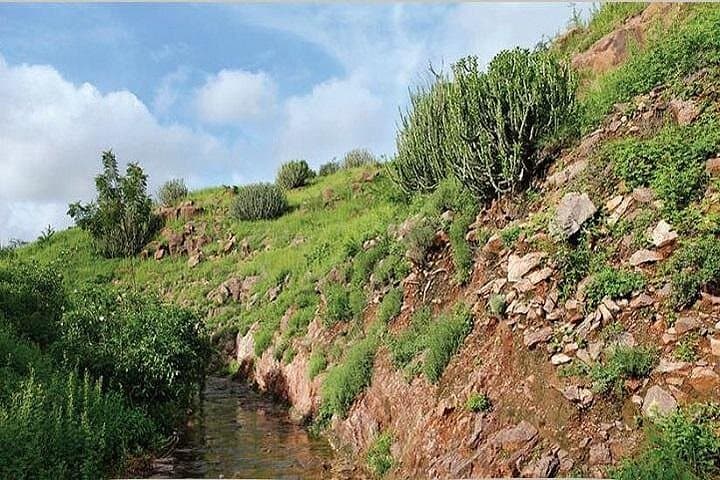
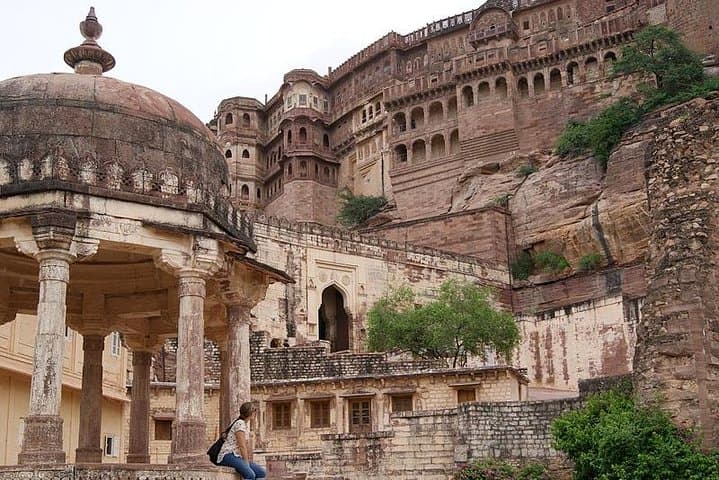
A dry wind slides down from Mehrangarh Fort as the first footsteps crunch over fractured basalt and sandstone. Visitors on the guided walk at Rao Jodha Desert Rock Park move between stony ribs of ancient lava, pockets of scrub, and patches of xeriscape that demonstrate how life persists on rock.
Verified experiences and guided adventures in the surrounding area.
Operated by SITA World Tours · Jodhpur, Rajasthan
A dry wind slides down from Mehrangarh Fort as the first footsteps crunch over fractured basalt and sandstone. Visitors on the guided walk at Rao Jodha Desert Rock Park move between stony ribs of ancient lava, pockets of scrub, and patches of xeriscape that demonstrate how life persists on rock.
Created in 2006 to restore a neglected wasteland at the fort’s base, the park exposes volcanic beds aged roughly 745–680 million years. Guides point out lithophytes clinging to crevices and explain how the invasive Prosopis juliflora once dominated the slope before native species were reintroduced. Culture and geology converge here: the fort’s ramparts loom above, a human monument beside the land’s deep time.
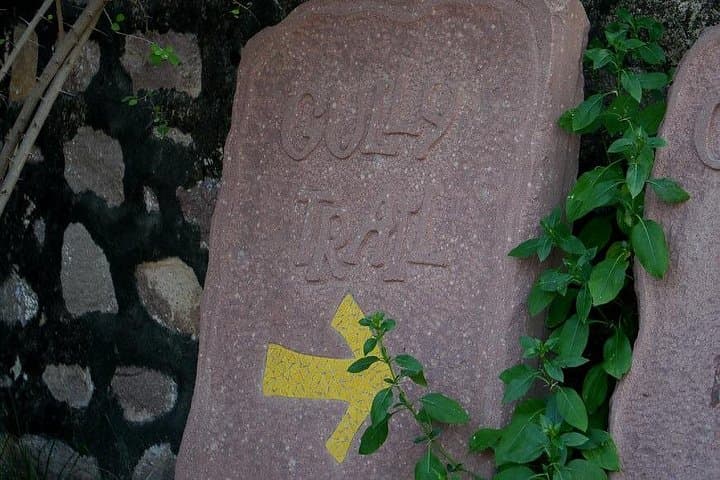
Trails are short and clearly signed — four easy routes that range from flat walks to short rocky gains — making the site ideal for curious hikers, birders and families. Expect to see over 200 bird species in season, including larks and partridges, while small mammals and reptiles sun on the rocks.
Practical guidance: plan for early morning or late afternoon to avoid heat, wear sturdy shoes for uneven basalt and sandy patches, and carry water — shade is limited. The park visit typically lasts around two hours and includes a naturalist guide, entrance fee and hotel transfer if booked through operators. Respect marked paths to protect slow-growing desert plants and avoid trampling lithophyte pockets. With compact trails and big views of Mehrangarh, the walk is an efficient, informative introduction to the Thar’s geology and plant life.
moderate.
2 hours.
Suitable for people with moderate fitness; involves short rocky sections and walking over uneven ground.
The guided visit is approximately two hours, with about 60 minutes spent walking the main trail sections.
Yes—naturalist guides explain geology and desert flora; this tour includes a guide in its itinerary.
Yes, older children who can manage 30–60 minutes of walking on uneven ground will enjoy it, but supervise near rocky edges.
Winter months and cooler mornings in spring/fall are most comfortable; avoid the midday heat in summer.
The park was established in 2006 to restore native vegetation after invasive Prosopis juliflora overtook the rocky slope below Mehrangarh Fort.
Restoration emphasizes native plant reintroduction and erosion control; visitors are asked to stay on trails to protect fragile desert flora.
SITA World Tours operates guided outdoor trips and adventures with an emphasis on safety, stewardship, and memorable experiences.
A dry wind slides down from Mehrangarh Fort as the first footsteps crunch over fractured basalt and sandstone. Visitors on the guided walk at Rao Jodha Desert Rock Park move between stony ribs of ancient lava, pockets of scrub, and patches of xeriscape that demonstrate how life persists on rock.
A dry wind slides down from Mehrangarh Fort as the first footsteps crunch over fractured basalt and sandstone. Visitors on the guided walk at Rao Jodha Desert Rock Park move between stony ribs of ancient lava, pockets of scrub, and patches of xeriscape that demonstrate how life persists on rock.
Created in 2006 to restore a neglected wasteland at the fort’s base, the park exposes volcanic beds aged roughly 745–680 million years. Guides point out lithophytes clinging to crevices and explain how the invasive Prosopis juliflora once dominated the slope before native species were reintroduced. Culture and geology converge here: the fort’s ramparts loom above, a human monument beside the land’s deep time.
Trails are short and clearly signed — four easy routes that range from flat walks to short rocky gains — making the site ideal for curious hikers, birders and families. Expect to see over 200 bird species in season, including larks and partridges, while small mammals and reptiles sun on the rocks.
Practical guidance: plan for early morning or late afternoon to avoid heat, wear sturdy shoes for uneven basalt and sandy patches, and carry water — shade is limited. The park visit typically lasts around two hours and includes a naturalist guide, entrance fee and hotel transfer if booked through operators. Respect marked paths to protect slow-growing desert plants and avoid trampling lithophyte pockets. With compact trails and big views of Mehrangarh, the walk is an efficient, informative introduction to the Thar’s geology and plant life.