THE ADVENTURE COLLECTIVE® · Independent discovery and booking for outdoor travel

Spend a half-day at Ranua Arctic Zoo observing polar bears, lynx, reindeer and more in habitats designed for northern climates. This practical guide explains what to expect, when to visit and how to prepare for lapland weather and wildlife viewing.
Spend a half-day at Ranua Arctic Zoo observing polar bears, lynx, reindeer and more in habitats designed for northern climates. This practical guide explains what to expect, when to visit and how to prepare for lapland weather and wildlife viewing.
A pale Arctic sun sits low over birch and pine as you step from the coach into Ranua Arctic Zoo’s cleared enclosures. Snow may carpet the ground in winter or a fine spring thaw could make the boardwalks shine; either way the experience is immediate—animals oriented to northern seasons, calling and moving with a logic older than tourism.
Verified experiences and guided adventures in the surrounding area.
Operated by ToTheNorth · Ranua, Lapland
A pale Arctic sun sits low over birch and pine as you step from the coach into Ranua Arctic Zoo’s cleared enclosures. Snow may carpet the ground in winter or a fine spring thaw could make the boardwalks shine; either way the experience is immediate—animals oriented to northern seasons, calling and moving with a logic older than tourism.
Opened in 1983, Ranua Wildlife Park was created to showcase species adapted to subarctic conditions; it’s one of the few zoos in Europe dedicated to Arctic fauna. The terrain is low, gently rolling forest and peatland carved by glacial drainage; boardwalks and trails thread between naturalistic habitats that emphasize native vegetation and rocky perches.
Culturally, the park ties into Lapland’s reindeer herding and conservation narratives—guides often explain human-wildlife coexistence in the north and local breeding programs. Look for interpretive signs and keeper talks that explain animal diets, behavior and seasonal changes.
Practically: the standard visit runs about six hours including lunch. Paths are wheelchair accessible but can be slippery in thaw or snow—sturdy footwear and layered clothing are essential. Photography opportunities are excellent at feeding times but keep telephoto lenses handy and respect distance guidelines; polar bears and wolves have large enclosures designed to simulate range, not close encounters.
For planners: arrive mid-morning for calmer light, factor in time for the on-site lunch, and check seasonal schedules for keeper talks. The park balances up-close learning with responsible viewing—expect an educational, outdoors-forward half-day that highlights Arctic species and conservation in a realistic setting.
easy.
6 hours.
Suitable for most fitness levels; involves walking short distances on boardwalks and paths
The tour is approximately six hours including admission and a one-hour lunch break.
Yes—paths and many viewing areas are wheelchair accessible; check with operators about specific transport accessibility.
Yes—Ranua houses polar bears, wolves and other Arctic species; viewing depends on animal activity and seasonal schedules.
Lunch is included as part of the tour; offerings vary by season but generally include hot meals suitable for colder weather.
Ranua Wildlife Park opened in 1983 to create a center focused on northern species and has since participated in breeding and research programs across Europe.
The park runs breeding programs and educational outreach to support Arctic species and emphasizes minimizing disturbance through enclosure design and visitor guidelines.
ToTheNorth operates guided outdoor trips and adventures with an emphasis on safety, stewardship, and memorable experiences.
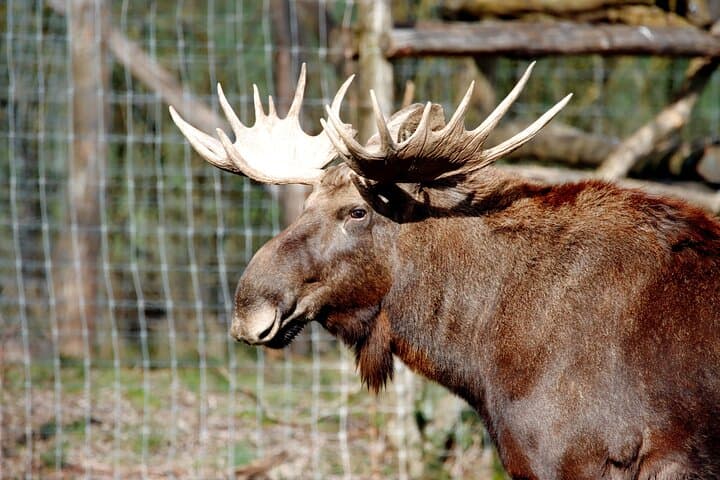
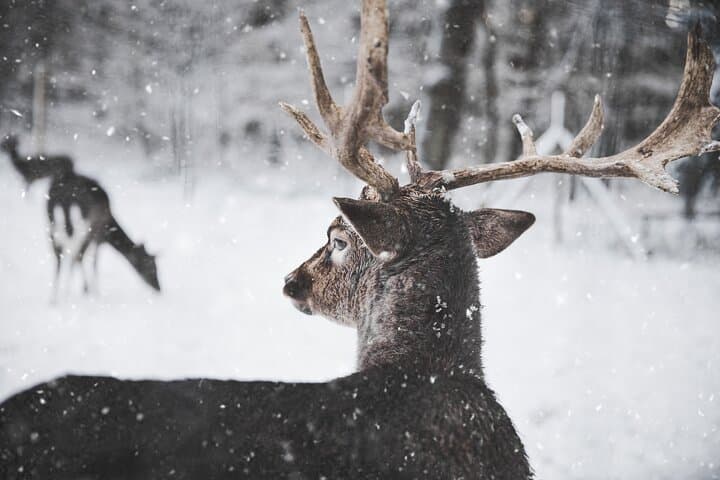
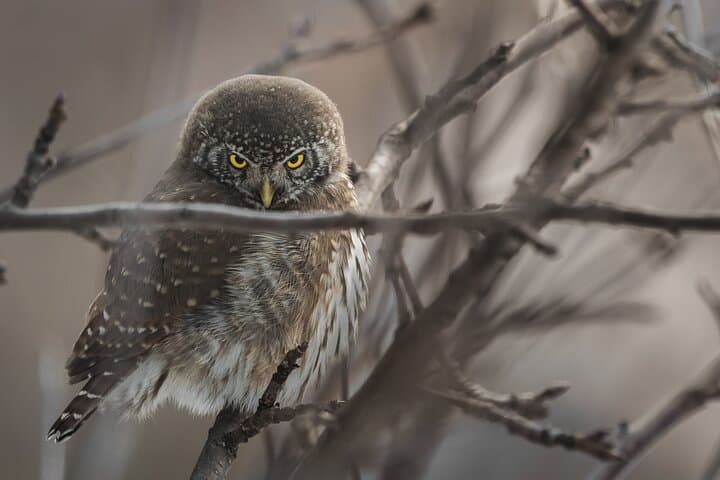

A pale Arctic sun sits low over birch and pine as you step from the coach into Ranua Arctic Zoo’s cleared enclosures. Snow may carpet the ground in winter or a fine spring thaw could make the boardwalks shine; either way the experience is immediate—animals oriented to northern seasons, calling and moving with a logic older than tourism.
A pale Arctic sun sits low over birch and pine as you step from the coach into Ranua Arctic Zoo’s cleared enclosures. Snow may carpet the ground in winter or a fine spring thaw could make the boardwalks shine; either way the experience is immediate—animals oriented to northern seasons, calling and moving with a logic older than tourism.
Opened in 1983, Ranua Wildlife Park was created to showcase species adapted to subarctic conditions; it’s one of the few zoos in Europe dedicated to Arctic fauna. The terrain is low, gently rolling forest and peatland carved by glacial drainage; boardwalks and trails thread between naturalistic habitats that emphasize native vegetation and rocky perches.
Culturally, the park ties into Lapland’s reindeer herding and conservation narratives—guides often explain human-wildlife coexistence in the north and local breeding programs. Look for interpretive signs and keeper talks that explain animal diets, behavior and seasonal changes.
Practically: the standard visit runs about six hours including lunch. Paths are wheelchair accessible but can be slippery in thaw or snow—sturdy footwear and layered clothing are essential. Photography opportunities are excellent at feeding times but keep telephoto lenses handy and respect distance guidelines; polar bears and wolves have large enclosures designed to simulate range, not close encounters.
For planners: arrive mid-morning for calmer light, factor in time for the on-site lunch, and check seasonal schedules for keeper talks. The park balances up-close learning with responsible viewing—expect an educational, outdoors-forward half-day that highlights Arctic species and conservation in a realistic setting.