THE ADVENTURE COLLECTIVE® · Independent discovery and booking for outdoor travel

A six-day sweep from Agra through Ranthambore, Jaipur, Jodhpur and Udaipur that pairs a tiger safari with hilltop forts and lakeside palaces. Expect long driving days, a shared morning safari and guided city walks through some of Rajasthan's most iconic sites.
A six-day sweep from Agra through Ranthambore, Jaipur, Jodhpur and Udaipur that pairs a tiger safari with hilltop forts and lakeside palaces. Expect long driving days, a shared morning safari and guided city walks through some of Rajasthan's most iconic sites.
Morning on Day One feels kinetic — Agra's broad avenues shrink behind you as the road unfurls toward scrub, rocky ridges and a sky that seems to push the landscape forward. By midafternoon Ranthambore's dry deciduous forest appears, a scattering of kadam and teak where waterholes draw birds and, if luck permits, a tiger's hush.
Verified experiences and guided adventures in the surrounding area.
Operated by Unseen Tours and Travels · Agra, Uttar Pradesh
Morning on Day One feels kinetic — Agra's broad avenues shrink behind you as the road unfurls toward scrub, rocky ridges and a sky that seems to push the landscape forward. By midafternoon Ranthambore's dry deciduous forest appears, a scattering of kadam and teak where waterholes draw birds and, if luck permits, a tiger's hush.
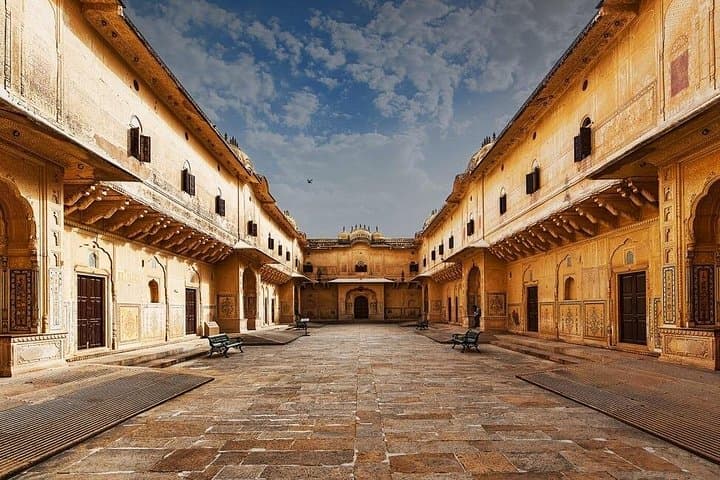
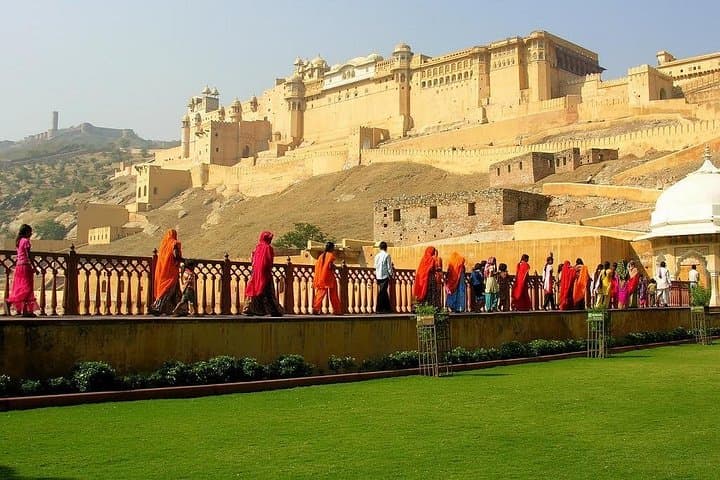
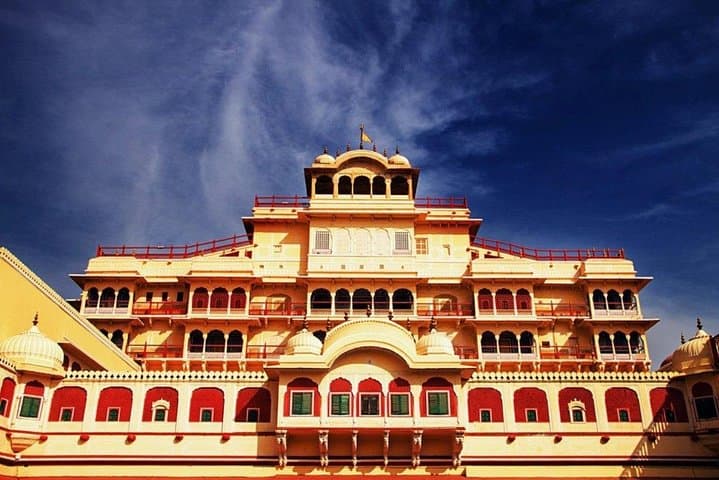
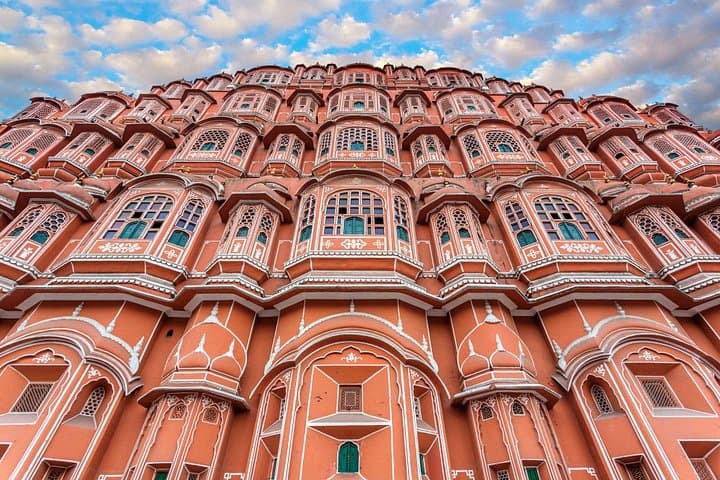
This route threads Mughal and Rajput history: Fatehpur Sikri's red sandstone complexes were an imperial deliberate move west of Agra; Jaipur carries Sawai Jai Singh II's planned-grid city and its astronomical Jantar Mantar; Jodhpur's Mehrangarh crowns a basalt outcrop; Udaipur rests around man-made lakes created in medieval times. The geology shifts from alluvial plains to Aravalli hills — low, ancient ranges that anchor forts and temple clusters such as Ranakpur's carved marble.
Expect a mix of game drives and city walks. Ranthambore safaris target early morning and late afternoon when predators are active; Jaipur and Jodhpur offer short, steep walks around forts and crowded bazaar turns; Udaipur rewards a slow boat or lakeside hour at sunset. The tour includes a dedicated vehicle, driver and guide, plus one shared tiger safari; hotel class and some monument entry fees depend on the option chosen.
Practical edge: carry water and sun protection, plan for long driving days (3–6 hours between major stops), and allow extra time for photo stops. Respect park rules on vehicles and silence; book safari slots early in high season and keep small bills for park permits, tips and local purchases.
easy.
6 days.
Suitable for travelers of average fitness; involves short walks at monuments and several long vehicle transfers
No; sightings depend on animal movement and luck. The park is a stronghold for Bengal tiger, but safaris offer the best chance rather than a guarantee.
The tour is offered from Agra with pickup arranged — confirm your pickup point when booking and allow time for transfer to Ranthambore.
Monument entry fees are included only with the 5-star hotel option; otherwise you should expect to pay entrance fees at major sites.
Yes; the itinerary is classed as physically easy, but note long vehicle days and that infants must sit on laps during transit.
The route passes Mughal-era Fatehpur Sikri and multiple Rajput-era palaces and forts built between the 10th and 18th centuries, reflecting shifting royal centers and trade routes.
Ranthambore is an active tiger-conservation landscape; responsible tourism — staying on designated tracks, avoiding flash photography near animals and following guide instructions — helps reduce disturbance.
Unseen Tours and Travels operates guided outdoor trips and adventures with an emphasis on safety, stewardship, and memorable experiences.
Morning on Day One feels kinetic — Agra's broad avenues shrink behind you as the road unfurls toward scrub, rocky ridges and a sky that seems to push the landscape forward. By midafternoon Ranthambore's dry deciduous forest appears, a scattering of kadam and teak where waterholes draw birds and, if luck permits, a tiger's hush.
Morning on Day One feels kinetic — Agra's broad avenues shrink behind you as the road unfurls toward scrub, rocky ridges and a sky that seems to push the landscape forward. By midafternoon Ranthambore's dry deciduous forest appears, a scattering of kadam and teak where waterholes draw birds and, if luck permits, a tiger's hush.
This route threads Mughal and Rajput history: Fatehpur Sikri's red sandstone complexes were an imperial deliberate move west of Agra; Jaipur carries Sawai Jai Singh II's planned-grid city and its astronomical Jantar Mantar; Jodhpur's Mehrangarh crowns a basalt outcrop; Udaipur rests around man-made lakes created in medieval times. The geology shifts from alluvial plains to Aravalli hills — low, ancient ranges that anchor forts and temple clusters such as Ranakpur's carved marble.
Expect a mix of game drives and city walks. Ranthambore safaris target early morning and late afternoon when predators are active; Jaipur and Jodhpur offer short, steep walks around forts and crowded bazaar turns; Udaipur rewards a slow boat or lakeside hour at sunset. The tour includes a dedicated vehicle, driver and guide, plus one shared tiger safari; hotel class and some monument entry fees depend on the option chosen.
Practical edge: carry water and sun protection, plan for long driving days (3–6 hours between major stops), and allow extra time for photo stops. Respect park rules on vehicles and silence; book safari slots early in high season and keep small bills for park permits, tips and local purchases.