THE ADVENTURE COLLECTIVE® · Independent discovery and booking for outdoor travel

Board an open jeep at dawn and follow a veteran naturalist through Ranthambore’s mixed scrub and rocky ridges—where waterholes and ruins are as important as tracks. This practical guide covers what to expect, where history meets habitat, and how to prepare for the best chances of a tiger sighting.
Board an open jeep at dawn and follow a veteran naturalist through Ranthambore’s mixed scrub and rocky ridges—where waterholes and ruins are as important as tracks. This practical guide covers what to expect, where history meets habitat, and how to prepare for the best chances of a tiger sighting.
Sunlight slices through dry dhok and neem as the open jeep rumbles onto a dusty track—heat rising from rock outcrops, waterholes glinting like punched mirrors. The first call of a langur and the rasp of peacocks set the tempo; ahead, a clump of trees holds the promise of a tiger sighting. This is Ranthambore: raw, immediate, and governed by animal schedules rather than human timetables.
Verified experiences and guided adventures in the surrounding area.
Operated by Ranthambore Wilderness Journeys · Sawai Madhopur, Rajasthan
Sunlight slices through dry dhok and neem as the open jeep rumbles onto a dusty track—heat rising from rock outcrops, waterholes glinting like punched mirrors. The first call of a langur and the rasp of peacocks set the tempo; ahead, a clump of trees holds the promise of a tiger sighting. This is Ranthambore: raw, immediate, and governed by animal schedules rather than human timetables.
Ranthambore National Park sits on the Vindhya range's eastern edge and contains granite outcrops and ancient ruins, including the imposing Ranthambore Fort that watches the forest from high ground. The landscape was once royal hunting ground; today it’s a key site in India’s tiger conservation story, part of Project Tiger since the 1970s. Cultural traces—Jogi Mahal by Padam Talao and banyan-canopied ruins—punctuate wildlife viewing with history.
On a typical three-hour jeep safari you’ll move through mixed terrain: open meadows, scrub, rocky ridges and lakes such as Padam and Malik Talao that draw predators and prey. Guides read spoor, bird calls, and waterlines to find animals; binoculars and patience pay off. Expect to see sambars, nilgai (blue bull), langurs, chital, crocodiles at lake edges, and a rich bird list.
Practical guidance: book early-morning or late-afternoon slots for best light and animal activity, wear neutral colors, bring water and sun protection, and keep conversation low in the vehicle. Vehicles are open and can be bumpy—secure loose items. Permits and park entry are handled by the operator, but carry ID for checks. With respect and quiet observation, Ranthambore delivers wilderness drama in compact, powerful doses.
easy.
3–4 hours.
Suitable for most fitness levels; requires ability to get in/out of a raised jeep and sit for extended periods
No—sightings depend on animal movements and season; experienced guides increase chances but no operator can guarantee a sighting.
Yes—visitors must carry valid photo ID for park entry; the operator typically arranges permits but check requirements at booking.
October to March offers cooler weather and clearer skies, while winter mornings are active; monsoon months reduce access and sightings can be less predictable.
Yes, generally—operators provide infant seats on request but confirm age restrictions and comfort for long, bumpy rides before booking.
Ranthambore’s landscape reflects centuries of royal presence; Ranthambore Fort dates to the 10th century and frames many park views, linking heritage with habitat.
Ranthambore is a focal area for tiger recovery under Project Tiger; visitors should follow park rules to minimize disturbance and support conservation through regulated tourism.
Ranthambore Wilderness Journeys operates guided outdoor trips and adventures with an emphasis on safety, stewardship, and memorable experiences.
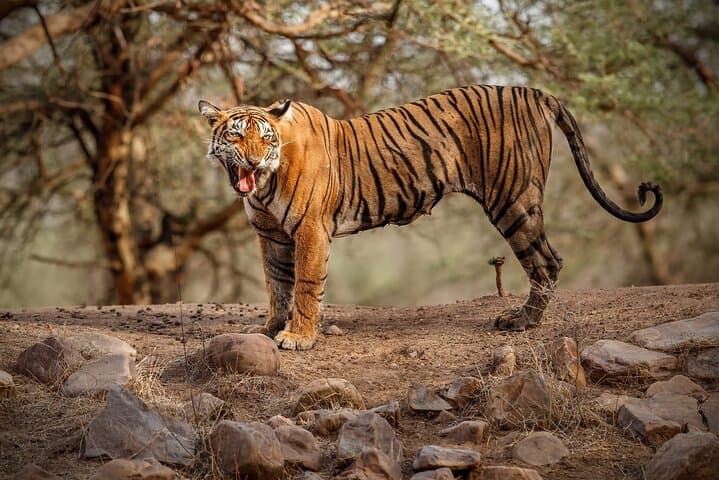



Sunlight slices through dry dhok and neem as the open jeep rumbles onto a dusty track—heat rising from rock outcrops, waterholes glinting like punched mirrors. The first call of a langur and the rasp of peacocks set the tempo; ahead, a clump of trees holds the promise of a tiger sighting. This is Ranthambore: raw, immediate, and governed by animal schedules rather than human timetables.
Sunlight slices through dry dhok and neem as the open jeep rumbles onto a dusty track—heat rising from rock outcrops, waterholes glinting like punched mirrors. The first call of a langur and the rasp of peacocks set the tempo; ahead, a clump of trees holds the promise of a tiger sighting. This is Ranthambore: raw, immediate, and governed by animal schedules rather than human timetables.
Ranthambore National Park sits on the Vindhya range's eastern edge and contains granite outcrops and ancient ruins, including the imposing Ranthambore Fort that watches the forest from high ground. The landscape was once royal hunting ground; today it’s a key site in India’s tiger conservation story, part of Project Tiger since the 1970s. Cultural traces—Jogi Mahal by Padam Talao and banyan-canopied ruins—punctuate wildlife viewing with history.
On a typical three-hour jeep safari you’ll move through mixed terrain: open meadows, scrub, rocky ridges and lakes such as Padam and Malik Talao that draw predators and prey. Guides read spoor, bird calls, and waterlines to find animals; binoculars and patience pay off. Expect to see sambars, nilgai (blue bull), langurs, chital, crocodiles at lake edges, and a rich bird list.
Practical guidance: book early-morning or late-afternoon slots for best light and animal activity, wear neutral colors, bring water and sun protection, and keep conversation low in the vehicle. Vehicles are open and can be bumpy—secure loose items. Permits and park entry are handled by the operator, but carry ID for checks. With respect and quiet observation, Ranthambore delivers wilderness drama in compact, powerful doses.