THE ADVENTURE COLLECTIVE® · Independent discovery and booking for outdoor travel

Ride into Ranthambore’s teak forests aboard a shared canter or gypsy and scan waterholes and ridgelines for Bengal tigers and other wildlife. This concise safari combines local guiding, zone-based management and a convenient Sawai Madhopur pickup for a hassle-minimized wildlife day.
Ride into Ranthambore’s teak forests aboard a shared canter or gypsy and scan waterholes and ridgelines for Bengal tigers and other wildlife. This concise safari combines local guiding, zone-based management and a convenient Sawai Madhopur pickup for a hassle-minimized wildlife day.
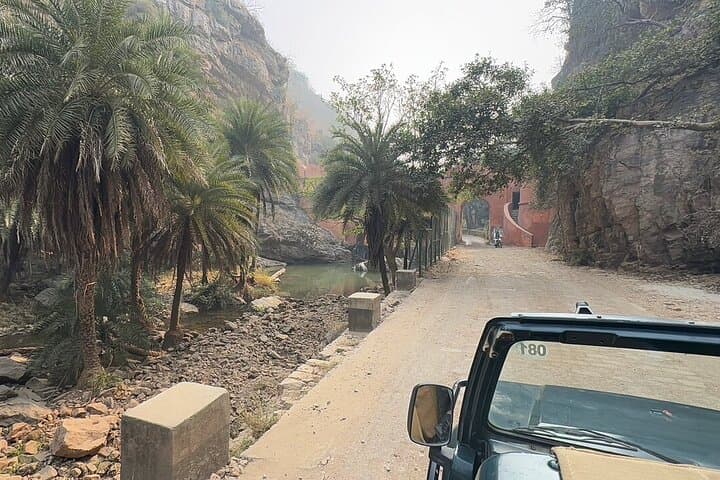
Dawn light strips across dry teak forest and the scrubby ridges of Ranthambore as a column of canters and gypsies threads toward the gates. The engines hum; the jungle watches. A shared safari in Ranthambore National Park puts you close to tracks, sunlit clearings and the slow, patient life of the reserve where tigers still move like ghosts through grass.
Verified experiences and guided adventures in the surrounding area.
Operated by Ranthambore safari Journeys · Sawai Madhopur, Rajasthan
Dawn light strips across dry teak forest and the scrubby ridges of Ranthambore as a column of canters and gypsies threads toward the gates. The engines hum; the jungle watches. A shared safari in Ranthambore National Park puts you close to tracks, sunlit clearings and the slow, patient life of the reserve where tigers still move like ghosts through grass.
Ranthambore grew out of royal hunting grounds around the 10th-century fort that crowns the park. Geologically the terrain is Vindhyan sandstone—flat-topped hills, seasonal lakes and rocky outcrops that create chokepoints wildlife use as corridors. Local culture in Sawai Madhopur still reflects Rajput hospitality: guides often come from families who've worked these forests for generations.
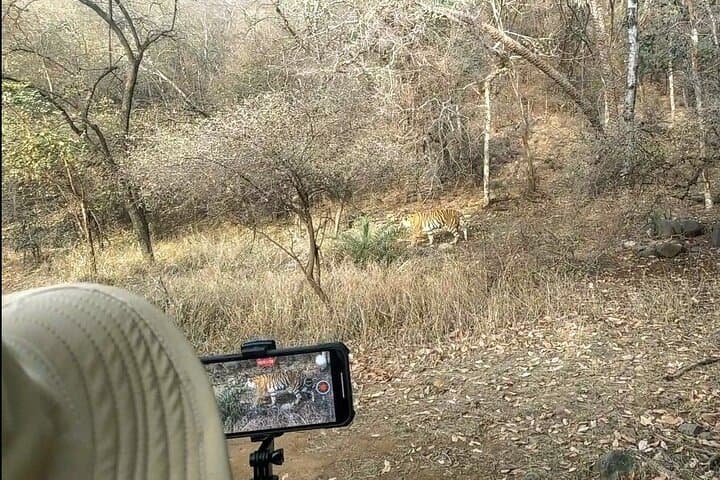
Expect a 3‑hour window to scan trails, waterholes such as Padam Talao, and shaded forest pockets. Zones rotate to reduce pressure on sensitive habitat; your zone will be confirmed after booking. Wildlife encounters vary—tigers, sambar, chital and crocs use waterholes differently through the day—and guides read those movements like weather.
Practical notes: arrive with light layers for morning chill and sun protection for afternoon rides; carry a full water bottle and binoculars; keep cameras ready on a fast shutter. Shared vehicles seat up to 20; follow guide instructions for silence and safe distancing from animals. Photography works best with a 200–400mm lens; low ISO for crisp shots in early light. Wildlife sightings are never guaranteed, but Ranthambore’s managed zones and experienced guides make memorable encounters more likely—respect the forest, its rhythms, and its rules.
easy.
3 hours.
Suitable for most fitness levels; you’ll sit during the drive but should be comfortable climbing into/out of open-sided vehicles
Yes—zones are limited and tickets often sell out; booking ahead secures your allocated zone and vehicle.
Canters are open-sided minibuses seating more people; gypsies are smaller 4x4 vehicles that can access tighter trails—both are common for shared safaris.
No—wildlife is wild. Managed zones and experienced guides increase likelihood, but sightings depend on animal movement and time of day.
Generally yes—this shared tour is rated easy, but consider mobility for climbing into vehicles and follow guide safety advice.
Ranthambore was part of princely hunting reserves; the 10th-century Ranthambore Fort marks the region’s strategic past and sits within park boundaries.
Ranthambore is a Project Tiger landscape using zoned tourism to reduce pressure; visitors should follow regulations to support ongoing habitat protection.
Ranthambore safari Journeys operates guided outdoor trips and adventures with an emphasis on safety, stewardship, and memorable experiences.

Dawn light strips across dry teak forest and the scrubby ridges of Ranthambore as a column of canters and gypsies threads toward the gates. The engines hum; the jungle watches. A shared safari in Ranthambore National Park puts you close to tracks, sunlit clearings and the slow, patient life of the reserve where tigers still move like ghosts through grass.
Dawn light strips across dry teak forest and the scrubby ridges of Ranthambore as a column of canters and gypsies threads toward the gates. The engines hum; the jungle watches. A shared safari in Ranthambore National Park puts you close to tracks, sunlit clearings and the slow, patient life of the reserve where tigers still move like ghosts through grass.
Ranthambore grew out of royal hunting grounds around the 10th-century fort that crowns the park. Geologically the terrain is Vindhyan sandstone—flat-topped hills, seasonal lakes and rocky outcrops that create chokepoints wildlife use as corridors. Local culture in Sawai Madhopur still reflects Rajput hospitality: guides often come from families who've worked these forests for generations.
Expect a 3‑hour window to scan trails, waterholes such as Padam Talao, and shaded forest pockets. Zones rotate to reduce pressure on sensitive habitat; your zone will be confirmed after booking. Wildlife encounters vary—tigers, sambar, chital and crocs use waterholes differently through the day—and guides read those movements like weather.
Practical notes: arrive with light layers for morning chill and sun protection for afternoon rides; carry a full water bottle and binoculars; keep cameras ready on a fast shutter. Shared vehicles seat up to 20; follow guide instructions for silence and safe distancing from animals. Photography works best with a 200–400mm lens; low ISO for crisp shots in early light. Wildlife sightings are never guaranteed, but Ranthambore’s managed zones and experienced guides make memorable encounters more likely—respect the forest, its rhythms, and its rules.