THE ADVENTURE COLLECTIVE® · Independent discovery and booking for outdoor travel

Ride a private six-seater gypsy into Ranthambore’s dry forest for a focused three-hour safari. Expect rocky ridgelines, seasonal waterholes and strong chances to spot Bengal tigers with a local guide and hotel pickup from Sawai Madhopur.
Ride a private six-seater gypsy into Ranthambore’s dry forest for a focused three-hour safari. Expect rocky ridgelines, seasonal waterholes and strong chances to spot Bengal tigers with a local guide and hotel pickup from Sawai Madhopur.
The engine of the six-seater gypsy hums as the jeep slides through a gate and into a landscape where scrub forest and rocky knobs take on sharper edges in the early light. Salt pans, seasonal lakes and the silhouette of Ranthambore Fort break the horizon while guides scan for movement—anything from a sambar pausing at a waterhole to the slow, deliberate stride of a Bengal tiger.
Verified experiences and guided adventures in the surrounding area.
Operated by Ranthambore safari Journeys · Sawai Madhopur, Rajasthan
The engine of the six-seater gypsy hums as the jeep slides through a gate and into a landscape where scrub forest and rocky knobs take on sharper edges in the early light. Salt pans, seasonal lakes and the silhouette of Ranthambore Fort break the horizon while guides scan for movement—anything from a sambar pausing at a waterhole to the slow, deliberate stride of a Bengal tiger.
Ranthambore sits on the fringes of the Aravalli hills and is defined by low granite outcrops, dry deciduous forest, and man-made reservoirs that attract wildlife in the dry season. The park’s history is visible in the 10th-century Ranthambore Fort and in its transformation from royal hunting ground to one of India’s Project Tiger reserves—today divided into 10 managed safari zones to reduce pressure on prime tiger habitat.
Culturally, Sawai Madhopur is a practical staging point—markets, simple hotels and local guides who read animal behavior like weather reports. Expect photography opportunities from open-sided gypsies, and a rhythm that alternates patient glassing with bursts of adrenaline.
Practical guidance: book zone allocations and entry well in advance, wear neutral colors and bring binoculars and a long lens if photographing. Mornings are cooler and often more productive; afternoons can concentrate wildlife around shrinking water sources. Respect park rules—stay inside the vehicle, keep noise low, and follow your guide’s instructions. With planning, a three-hour private gypsy safari is a focused, accessible way to visit one of India’s most celebrated tiger reserves.
The experience is a private three-hour safari conducted in an open-sided six-seater gypsy with a guide and driver; pickup and drop-off from Sawai Madhopur are included.
No—wildlife is unpredictable. Ranthambore has strong tiger populations, so sightings are common but never guaranteed.
Ranthambore typically operates October through June; the reserve usually closes during the monsoon months (mid-July to September) for safety and habitat recovery—check local schedules before booking.
Yes—safaris are suitable for most ages and fitness levels, but infants and those with mobility limitations should check vehicle boarding and safety arrangements beforehand.
Ranthambore safari Journeys operates guided outdoor trips and adventures with an emphasis on safety, stewardship, and memorable experiences.
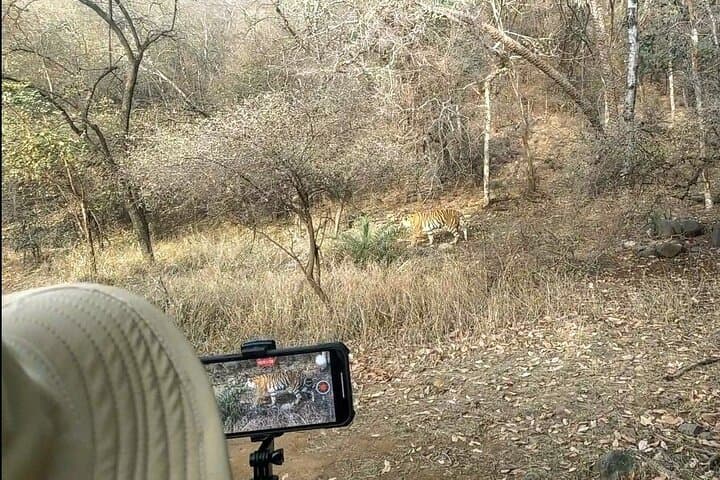

The engine of the six-seater gypsy hums as the jeep slides through a gate and into a landscape where scrub forest and rocky knobs take on sharper edges in the early light. Salt pans, seasonal lakes and the silhouette of Ranthambore Fort break the horizon while guides scan for movement—anything from a sambar pausing at a waterhole to the slow, deliberate stride of a Bengal tiger.
The engine of the six-seater gypsy hums as the jeep slides through a gate and into a landscape where scrub forest and rocky knobs take on sharper edges in the early light. Salt pans, seasonal lakes and the silhouette of Ranthambore Fort break the horizon while guides scan for movement—anything from a sambar pausing at a waterhole to the slow, deliberate stride of a Bengal tiger.
Ranthambore sits on the fringes of the Aravalli hills and is defined by low granite outcrops, dry deciduous forest, and man-made reservoirs that attract wildlife in the dry season. The park’s history is visible in the 10th-century Ranthambore Fort and in its transformation from royal hunting ground to one of India’s Project Tiger reserves—today divided into 10 managed safari zones to reduce pressure on prime tiger habitat.
Culturally, Sawai Madhopur is a practical staging point—markets, simple hotels and local guides who read animal behavior like weather reports. Expect photography opportunities from open-sided gypsies, and a rhythm that alternates patient glassing with bursts of adrenaline.
Practical guidance: book zone allocations and entry well in advance, wear neutral colors and bring binoculars and a long lens if photographing. Mornings are cooler and often more productive; afternoons can concentrate wildlife around shrinking water sources. Respect park rules—stay inside the vehicle, keep noise low, and follow your guide’s instructions. With planning, a three-hour private gypsy safari is a focused, accessible way to visit one of India’s most celebrated tiger reserves.