THE ADVENTURE COLLECTIVE® · Independent discovery and booking for outdoor travel

Spend a full day tracking Bengal tigers, exploring Ranthambore Fort and cruising dry-forest lakes on an all-inclusive safari from Jaipur. This guided tour handles transport, permits and lunch so you can focus on wildlife viewing and the landscape.
Spend a full day tracking Bengal tigers, exploring Ranthambore Fort and cruising dry-forest lakes on an all-inclusive safari from Jaipur. This guided tour handles transport, permits and lunch so you can focus on wildlife viewing and the landscape.
The bus leaves Jaipur before sunrise and the road unspools through Rajasthan’s ochre plains; by the time you cross the last village the air tightens around forest and stone. Arriving at Ranthambore National Park feels sudden — scrubby dry deciduous trees give way to seasonal lakes and granite outcrops crowned by the ancient Ranthambore Fort, which presides over the reserve like a watchful neighbor.
Verified experiences and guided adventures in the surrounding area.
Operated by vwitours · Sawai Madhopur, Rajasthan
The bus leaves Jaipur before sunrise and the road unspools through Rajasthan’s ochre plains; by the time you cross the last village the air tightens around forest and stone. Arriving at Ranthambore National Park feels sudden — scrubby dry deciduous trees give way to seasonal lakes and granite outcrops crowned by the ancient Ranthambore Fort, which presides over the reserve like a watchful neighbor.
The park was once the Maharajas’ hunting ground and later incorporated into India’s Project Tiger in the 1970s; the core sanctuary today is roughly 392 km² of forest, grassland and rocky koppies carved from Aravalli-era geology. Culturally, the area folds traditional Rajasthani villages into its perimeter—locals maintain wells and seasonal fishing rights around the talabs (lakes).
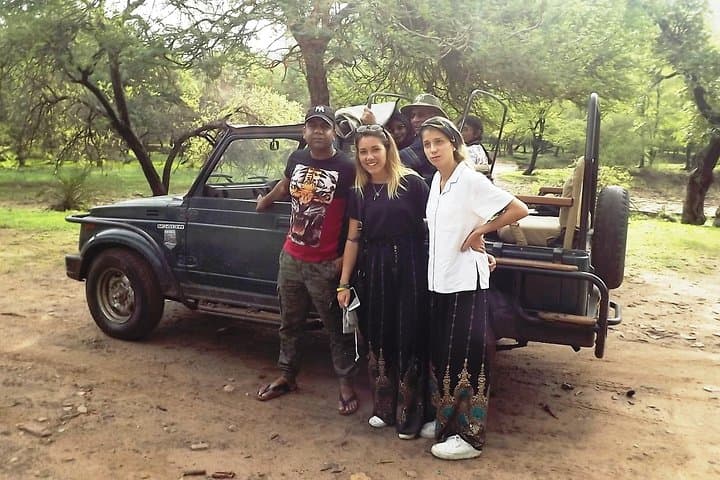
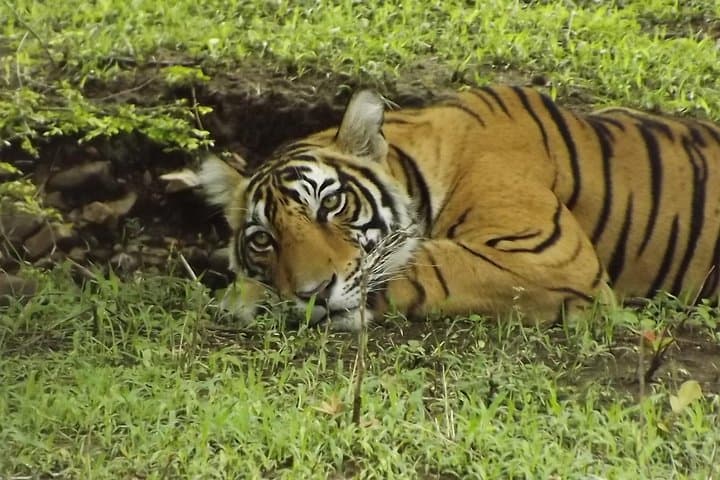
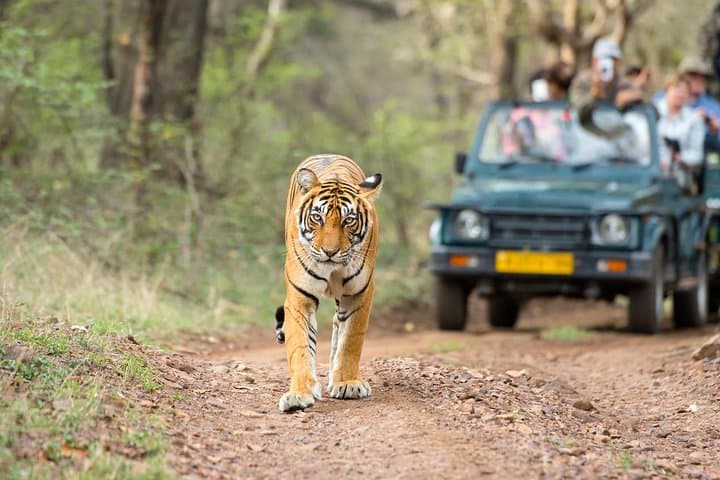
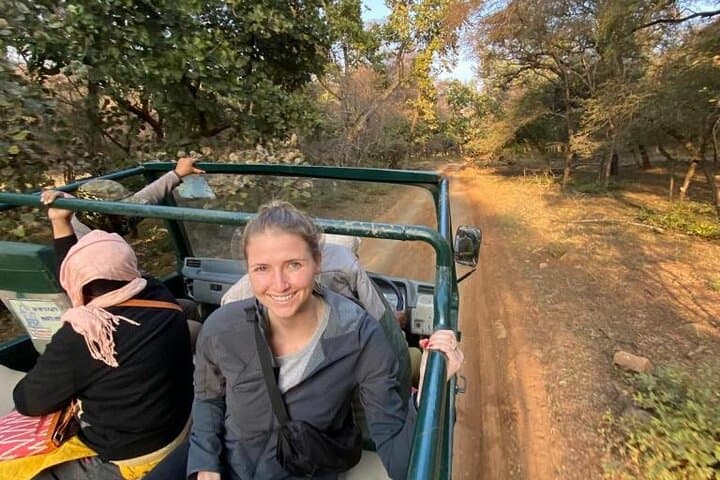
On a typical all-inclusive day you’ll visit the fort, have lunch, then head into the park in a jeep or larger canter with a government-authorized naturalist. Expect long, slow stretches where the forest watches you back and sudden bursts of activity around waterholes where tiger, sambar and langur congregate. The guide reads spoor and behavior; your role is patience and good optics.
Practical notes: sightings are never guaranteed — mornings and late afternoons are highest probability. Wear neutral clothing, carry water and a good zoom lens, and be prepared for bumpy tracks and strict park rules. Mobile reception is patchy; bring cash for small purchases and arrive with realistic expectations: this is wildlife viewing, not a photo studio. When respected, the park rewards patience with quiet, powerful encounters you’ll remember long after the ride home.
moderate.
10–12 hours.
Suitable for travelers in average fitness—long day with short walks and extended vehicle time; can be tiring for very young or frail guests.
Ranthambore is one of India’s better parks for tiger sightings, but wildlife is unpredictable; mornings and late afternoons offer the best odds—sightings are never guaranteed.
The tour includes park entrance and safari permits handled by the operator; carry ID as required for booking details and check pickup confirmations.
Vehicle type depends on availability and group size; operators allocate jeep or canter before safari but will note preferences when possible.
Children can join but long travel and bumpy rides may be hard for infants; confirm infant seat availability and discuss needs with the operator before booking.
The area served as royal hunting grounds for the Maharajas of Jaipur; it was incorporated into Project Tiger in the 1970s to protect big cats.
Ranthambore is managed under India’s tiger conservation programs; responsible tourism—including staying in vehicles and avoiding flash photography—helps reduce stress on wildlife and supports protection efforts.
vwitours operates guided outdoor trips and adventures with an emphasis on safety, stewardship, and memorable experiences.
The bus leaves Jaipur before sunrise and the road unspools through Rajasthan’s ochre plains; by the time you cross the last village the air tightens around forest and stone. Arriving at Ranthambore National Park feels sudden — scrubby dry deciduous trees give way to seasonal lakes and granite outcrops crowned by the ancient Ranthambore Fort, which presides over the reserve like a watchful neighbor.
The bus leaves Jaipur before sunrise and the road unspools through Rajasthan’s ochre plains; by the time you cross the last village the air tightens around forest and stone. Arriving at Ranthambore National Park feels sudden — scrubby dry deciduous trees give way to seasonal lakes and granite outcrops crowned by the ancient Ranthambore Fort, which presides over the reserve like a watchful neighbor.
The park was once the Maharajas’ hunting ground and later incorporated into India’s Project Tiger in the 1970s; the core sanctuary today is roughly 392 km² of forest, grassland and rocky koppies carved from Aravalli-era geology. Culturally, the area folds traditional Rajasthani villages into its perimeter—locals maintain wells and seasonal fishing rights around the talabs (lakes).
On a typical all-inclusive day you’ll visit the fort, have lunch, then head into the park in a jeep or larger canter with a government-authorized naturalist. Expect long, slow stretches where the forest watches you back and sudden bursts of activity around waterholes where tiger, sambar and langur congregate. The guide reads spoor and behavior; your role is patience and good optics.
Practical notes: sightings are never guaranteed — mornings and late afternoons are highest probability. Wear neutral clothing, carry water and a good zoom lens, and be prepared for bumpy tracks and strict park rules. Mobile reception is patchy; bring cash for small purchases and arrive with realistic expectations: this is wildlife viewing, not a photo studio. When respected, the park rewards patience with quiet, powerful encounters you’ll remember long after the ride home.