THE ADVENTURE COLLECTIVE® · Independent discovery and booking for outdoor travel

Spend a day tracking Bengal tigers through Ranthambore’s dry deciduous forest on a 3.5-hour shared canter safari. This day trip includes transfers, boarding at the park gate, and practical tips for maximizing sighting chances.
Spend a day tracking Bengal tigers through Ranthambore’s dry deciduous forest on a 3.5-hour shared canter safari. This day trip includes transfers, boarding at the park gate, and practical tips for maximizing sighting chances.
You step out of the air-conditioned transfer into a sunlit clearing where dust and insect-song compete with the distant roar of a jeep. The canter idles; the forest waits. In Ranthambore, trees stand like timekeepers and waterholes dare tigers to reveal themselves.
Verified experiences and guided adventures in the surrounding area.
Operated by World Of Wilders · Sawai Madhopur, Rajasthan
You step out of the air-conditioned transfer into a sunlit clearing where dust and insect-song compete with the distant roar of a jeep. The canter idles; the forest waits. In Ranthambore, trees stand like timekeepers and waterholes dare tigers to reveal themselves.
Ranthambore Tiger Reserve, near Sawai Madhopur in Rajasthan, was once royal hunting grounds and later protected for its remnant dry-deciduous forests and rocky outcrops. The park’s terrain—seasonal lakes, scrub, and granite ridges—frames views of the centuries-old Ranthambore Fort perched on a hill, a reminder of the area’s Mughal- and Rajput-era history.
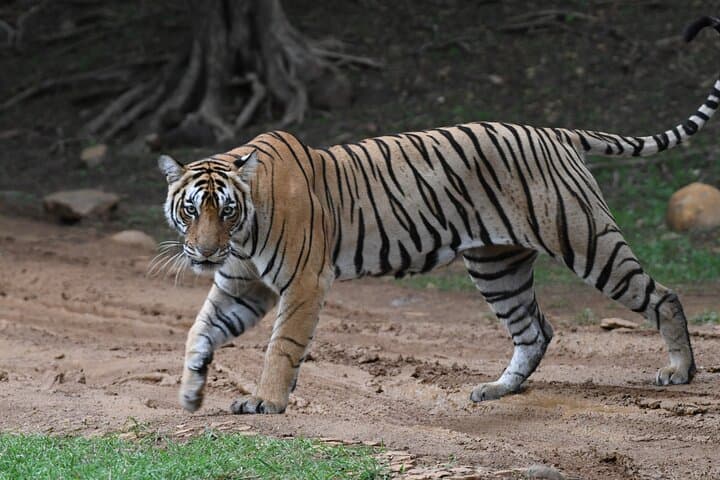
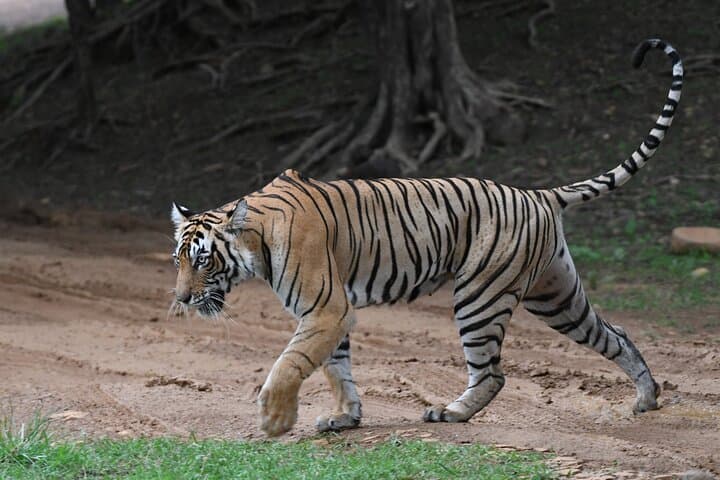
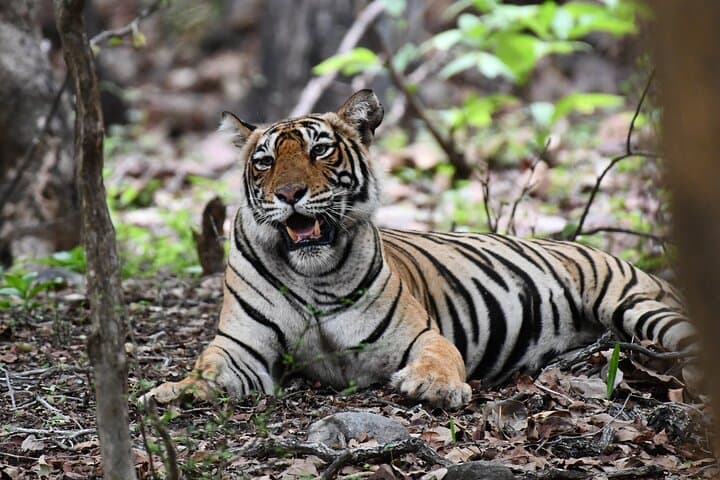
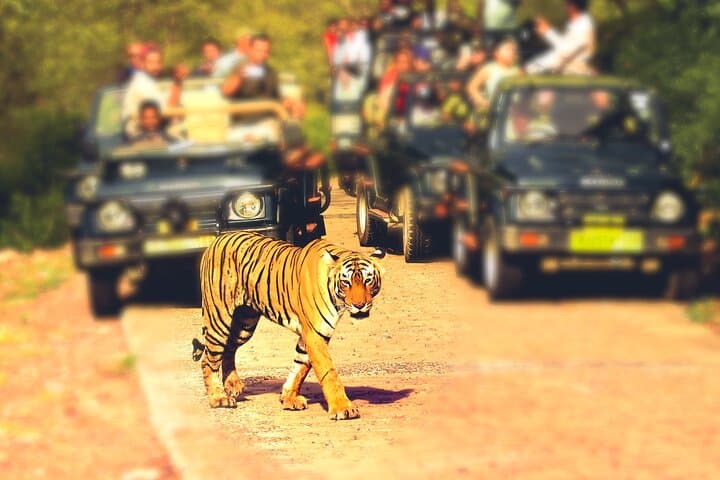
Wildlife here is pragmatic: tigers follow water, deer and nilgai graze bold in the open, and birds line the talabs. Best sightings are late-winter through early summer when water concentration makes animals predictable. Safaris run as timed drives—this trip includes a shared afternoon canter safari of about 3.5 hours with pickup from town; expect 15–20 minutes of boarding wait time.
Practicalities matter: permits, camera fees and park rules are enforced; stay inside vehicles, silence phones, and minimize movement for better viewing. Bring binoculars, sun protection and a light jacket for cooler mornings and dusty afternoons. Transfers from Jaipur or Sawai Madhopur take several hours—plan a full day and assume limited cell service inside the reserve.
A Ranthambore afternoon is part patience, part luck, and all about presence: you’ll leave with images, questions, and a clearer sense of how a landscape shapes its predators.
moderate.
10–14 hours (full-day); 3.5 hours safari time.
Low-to-moderate fitness required; you’ll sit for long transfers and short periods of standing on the canter
Sightings peak in late winter to early summer when dry conditions concentrate animals at remaining water sources, and during cooler morning and late-afternoon drives.
The shared canter safari included is about 3 hours 30 minutes; the full day trip with transfers typically takes 10–14 hours from Jaipur.
No—exiting safari vehicles inside the reserve is prohibited for safety and conservation reasons; follow ranger instructions at all times.
Yes—camera or DSLR fees and state park entrance charges are common; have cash or digital payment ready as directed by the operator.
Ranthambore was once royal hunting ground for the Maharajas of Jaipur; the fort within the reserve dates to medieval Rajput and Mughal periods and shaped human use of the landscape.
The reserve is managed under India’s tiger-protection framework with strict vehicle and visitor limits; staying on designated routes and following rules reduces disturbance to wildlife.
World Of Wilders operates guided outdoor trips and adventures with an emphasis on safety, stewardship, and memorable experiences.
You step out of the air-conditioned transfer into a sunlit clearing where dust and insect-song compete with the distant roar of a jeep. The canter idles; the forest waits. In Ranthambore, trees stand like timekeepers and waterholes dare tigers to reveal themselves.
You step out of the air-conditioned transfer into a sunlit clearing where dust and insect-song compete with the distant roar of a jeep. The canter idles; the forest waits. In Ranthambore, trees stand like timekeepers and waterholes dare tigers to reveal themselves.
Ranthambore Tiger Reserve, near Sawai Madhopur in Rajasthan, was once royal hunting grounds and later protected for its remnant dry-deciduous forests and rocky outcrops. The park’s terrain—seasonal lakes, scrub, and granite ridges—frames views of the centuries-old Ranthambore Fort perched on a hill, a reminder of the area’s Mughal- and Rajput-era history.
Wildlife here is pragmatic: tigers follow water, deer and nilgai graze bold in the open, and birds line the talabs. Best sightings are late-winter through early summer when water concentration makes animals predictable. Safaris run as timed drives—this trip includes a shared afternoon canter safari of about 3.5 hours with pickup from town; expect 15–20 minutes of boarding wait time.
Practicalities matter: permits, camera fees and park rules are enforced; stay inside vehicles, silence phones, and minimize movement for better viewing. Bring binoculars, sun protection and a light jacket for cooler mornings and dusty afternoons. Transfers from Jaipur or Sawai Madhopur take several hours—plan a full day and assume limited cell service inside the reserve.
A Ranthambore afternoon is part patience, part luck, and all about presence: you’ll leave with images, questions, and a clearer sense of how a landscape shapes its predators.