THE ADVENTURE COLLECTIVE® · Independent discovery and booking for outdoor travel

Combine Golden Triangle highlights with two Ranthambore safaris on this multi-day tour. Early-morning jeeps, Mughal-era forts and dry-forest ridgelines make this one of the best places in India to search for wild tigers.
Combine Golden Triangle highlights with two Ranthambore safaris on this multi-day tour. Early-morning jeeps, Mughal-era forts and dry-forest ridgelines make this one of the best places in India to search for wild tigers.
The jeep bumps over dust-slick tracks as early light pries apart the trees — a peacock rattles and the forest seems to hold its breath. On a Ranthambore tiger safari you sit low in an open vehicle while the scrub and rocky knobs slide past, each pool and ravine a possible stage for a tiger's quiet prowl.
Verified experiences and guided adventures in the surrounding area.
Operated by Map My Tours · Sawai Madhopur, Rajasthan
The jeep bumps over dust-slick tracks as early light pries apart the trees — a peacock rattles and the forest seems to hold its breath. On a Ranthambore tiger safari you sit low in an open vehicle while the scrub and rocky knobs slide past, each pool and ravine a possible stage for a tiger's quiet prowl.
Ranthambore sits in southeastern Rajasthan, where dry deciduous forest, seasonal lakes and red-stone outcrops meet the living history of Rajput and Mughal eras. The forest once supplied game to royal hunting parties; today its forts and ruins — including Ranthambore Fort — anchor the park in centuries of regional culture. Geologically the park is marked by rocky ridges and shallow plateaus that shape tiger routes and waterholes, while nearby Sawai Madhopur serves as the visitor gateway.
Expect game drives at dawn and late afternoon, and a rhythm of waiting and sudden motion: langur alarm calls, sambar moving through bamboo, and, if luck favours, a tiger slipping from shadow to sun. Photography demands a long lens and patience; sightings can be quick and distant.
Practicalities matter. The tour typically pairs city sightseeing (Delhi, Agra, Jaipur) with two safaris in Ranthambore; plan for dusty roads and long drives between cities. Carry high-SPF sun protection, refillable water, a 300mm+ lens for photography, and neutral clothing. Book safaris early, respect park rules, and treat sightings as brief privileges — keep noise low and windows closed when instructed. With preparation, this is one of India’s best chances to see a wild tiger in a landscape that still feels rugged and alive.
moderate.
5–6 days.
Suitable for travelers with average fitness — safaris are vehicle-based but may include short walks and long transfers between cities.
Safaris typically run at dawn and late afternoon; exact times depend on the park zone and season, so confirm with your operator on arrival.
Ranthambore has one of India’s higher tiger sighting rates, but sightings aren’t guaranteed; patience, timing and the luck of animal movements all matter.
This tour description indicates guide services and vehicle transport are included, but confirm whether park entry fees and forest permit charges are covered before booking.
The itinerary notes stroller and wheelchair accessibility for transport, but game drives are on uneven terrain — check with the operator for vehicle accessibility and any special assistance required.
The region blends Rajput and Mughal histories: forts and palaces in Jaipur and Sawai Madhopur reflect centuries of royal presence that shaped local roads and game routes.
Ranthambore is a key protected area for tiger conservation; maintain distance, avoid littering and follow guide instructions to minimize disturbance to animals and habitats.
Map My Tours operates guided outdoor trips and adventures with an emphasis on safety, stewardship, and memorable experiences.
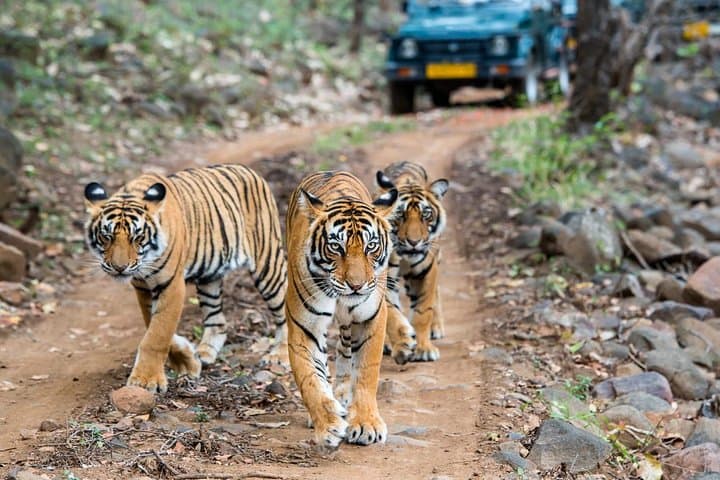
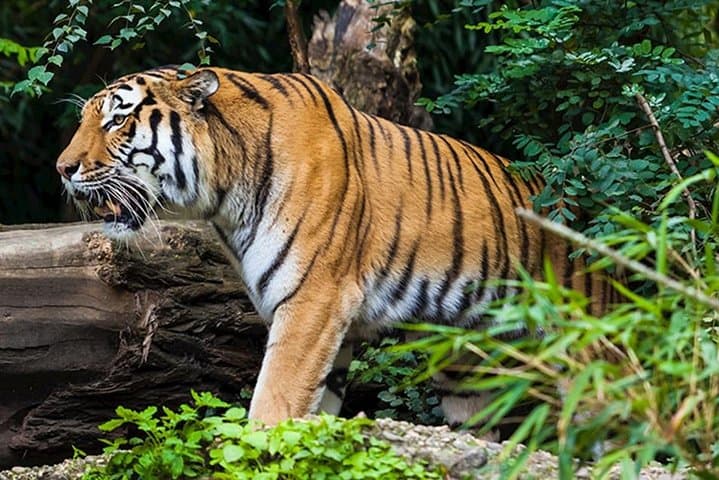
The jeep bumps over dust-slick tracks as early light pries apart the trees — a peacock rattles and the forest seems to hold its breath. On a Ranthambore tiger safari you sit low in an open vehicle while the scrub and rocky knobs slide past, each pool and ravine a possible stage for a tiger's quiet prowl.
The jeep bumps over dust-slick tracks as early light pries apart the trees — a peacock rattles and the forest seems to hold its breath. On a Ranthambore tiger safari you sit low in an open vehicle while the scrub and rocky knobs slide past, each pool and ravine a possible stage for a tiger's quiet prowl.
Ranthambore sits in southeastern Rajasthan, where dry deciduous forest, seasonal lakes and red-stone outcrops meet the living history of Rajput and Mughal eras. The forest once supplied game to royal hunting parties; today its forts and ruins — including Ranthambore Fort — anchor the park in centuries of regional culture. Geologically the park is marked by rocky ridges and shallow plateaus that shape tiger routes and waterholes, while nearby Sawai Madhopur serves as the visitor gateway.
Expect game drives at dawn and late afternoon, and a rhythm of waiting and sudden motion: langur alarm calls, sambar moving through bamboo, and, if luck favours, a tiger slipping from shadow to sun. Photography demands a long lens and patience; sightings can be quick and distant.
Practicalities matter. The tour typically pairs city sightseeing (Delhi, Agra, Jaipur) with two safaris in Ranthambore; plan for dusty roads and long drives between cities. Carry high-SPF sun protection, refillable water, a 300mm+ lens for photography, and neutral clothing. Book safaris early, respect park rules, and treat sightings as brief privileges — keep noise low and windows closed when instructed. With preparation, this is one of India’s best chances to see a wild tiger in a landscape that still feels rugged and alive.