THE ADVENTURE COLLECTIVE® · Independent discovery and booking for outdoor travel

A focused same-day safari from Jaipur to Ranthambore delivers early-morning game drives, historic fort viewpoints and chances to see Bengal tigers at waterholes. Practical logistics—AC transfers, permits and a local guide—make this a good option for time-pressed travelers who want a concentrated wildlife experience.
A focused same-day safari from Jaipur to Ranthambore delivers early-morning game drives, historic fort viewpoints and chances to see Bengal tigers at waterholes. Practical logistics—AC transfers, permits and a local guide—make this a good option for time-pressed travelers who want a concentrated wildlife experience.
You arrive before dawn, the road from Jaipur folding into scrub and termite mounds. The vehicle hums through dusty villages, and the first light outlines the flat-topped hills that ring Ranthambore. Inside the park, the jeep jolts across sandy tracks; trees lean like watchful judges as the guide scans the acacia for movement.
Verified experiences and guided adventures in the surrounding area.
Operated by Contes Asia · Sawai Madhopur, Rajasthan
You arrive before dawn, the road from Jaipur folding into scrub and termite mounds. The vehicle hums through dusty villages, and the first light outlines the flat-topped hills that ring Ranthambore. Inside the park, the jeep jolts across sandy tracks; trees lean like watchful judges as the guide scans the acacia for movement.
Ranthambore was once a royal hunting ground; its stony ridges and rocky outcrops hold the 10th-century Ranthambore Fort and small temples that mark human history amid wild corridors. Geologically, the park sits on Vindhya sandstone and abrupt granite intrusions that create steep ridgelines, seasonal lakes and lowland grasslands. Local culture—Sawai Madhopur’s bazaars, railway junction and village craftsmen—frames the park’s tourism economy and community conservation efforts.
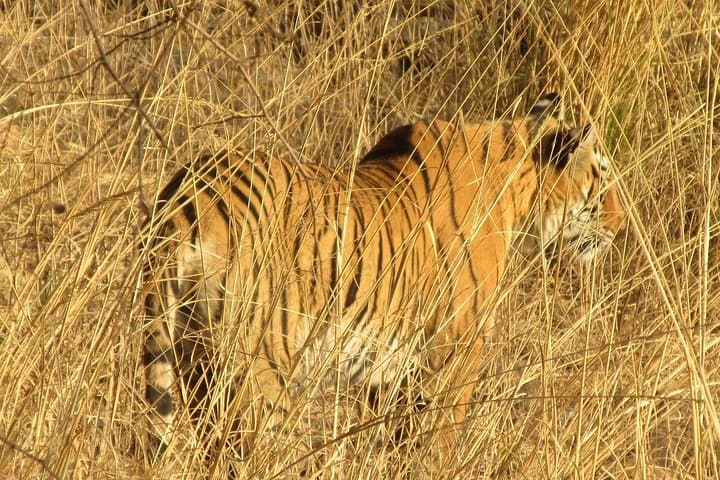
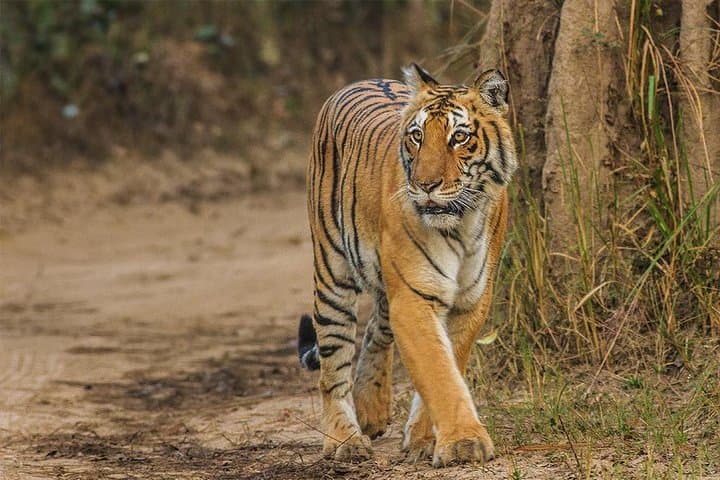
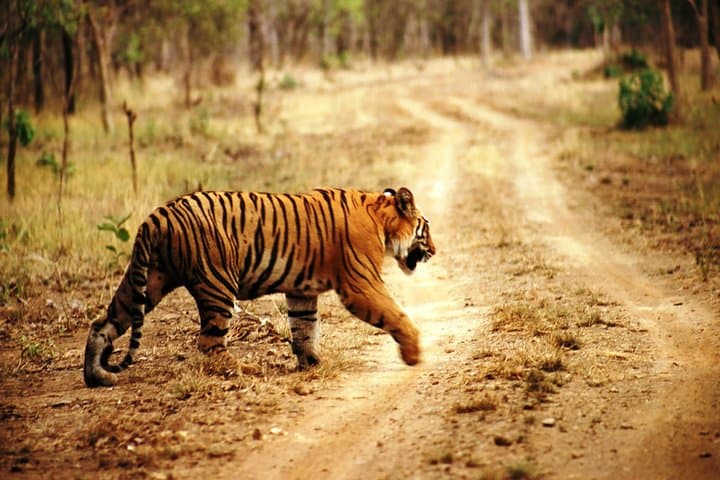
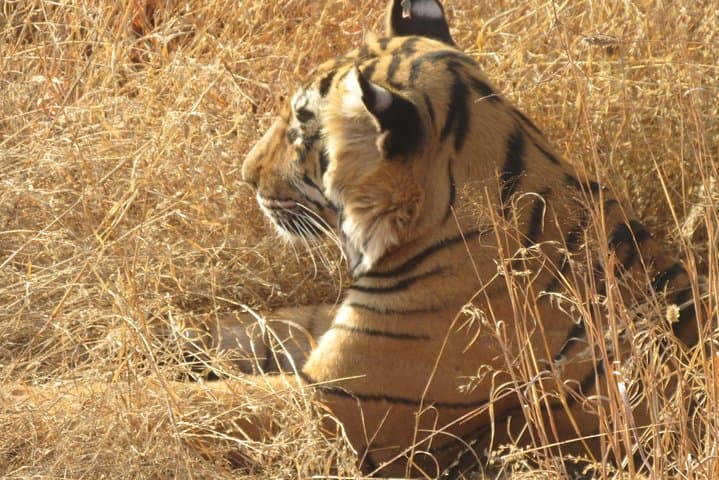
This same-day tour blends two core experiences: game drives through zones where tigers, leopards, sambar and marsh crocodiles concentrate around waterholes, and roadside stops at viewpoints like Padam Talao. Expect long stretches seated on safari benches with short walks at permitted spots; sightings are never guaranteed but are likeliest in the dry season when wildlife edges toward water.
Practical details: the trip runs roughly 6–10 hours, uses air-conditioned transfers and includes fees and taxes. Bring binoculars, layered sun protection, a camera with a tele lens, and plenty of water. Follow park rules—no feeding, no loud noises, and trust your guide’s approach distances. With respect and patience, Ranthambore offers close, vivid encounters with India’s wild heart.
easy.
6–10 hours.
Light activity level; mostly seated in vehicle with short walks at viewpoints—suitable for most fitness levels.
No—sightings cannot be guaranteed; the dry season improves odds because animals concentrate near water, but wildlife is free to move.
This private tour typically includes AC transfers, park fees and guided game drives; confirm exact inclusions when booking.
Yes—this tour is rated easy and suitable for most ages, but inform the operator of mobility issues and infants must sit on laps.
October to April is peak for wildlife viewing and comfortable weather; monsoon months (June–September) bring dense vegetation and limited access.
Ranthambore was a royal hunting preserve with a 10th-century hilltop fort; protection measures since the mid-20th century converted hunting grounds into a tiger reserve.
Ranthambore is managed under India’s Project Tiger framework; ethical tourism practices—limited vehicle numbers, no feeding and community involvement—help reduce disturbance and fund habitat protection.
Contes Asia operates guided outdoor trips and adventures with an emphasis on safety, stewardship, and memorable experiences.
You arrive before dawn, the road from Jaipur folding into scrub and termite mounds. The vehicle hums through dusty villages, and the first light outlines the flat-topped hills that ring Ranthambore. Inside the park, the jeep jolts across sandy tracks; trees lean like watchful judges as the guide scans the acacia for movement.
You arrive before dawn, the road from Jaipur folding into scrub and termite mounds. The vehicle hums through dusty villages, and the first light outlines the flat-topped hills that ring Ranthambore. Inside the park, the jeep jolts across sandy tracks; trees lean like watchful judges as the guide scans the acacia for movement.
Ranthambore was once a royal hunting ground; its stony ridges and rocky outcrops hold the 10th-century Ranthambore Fort and small temples that mark human history amid wild corridors. Geologically, the park sits on Vindhya sandstone and abrupt granite intrusions that create steep ridgelines, seasonal lakes and lowland grasslands. Local culture—Sawai Madhopur’s bazaars, railway junction and village craftsmen—frames the park’s tourism economy and community conservation efforts.
This same-day tour blends two core experiences: game drives through zones where tigers, leopards, sambar and marsh crocodiles concentrate around waterholes, and roadside stops at viewpoints like Padam Talao. Expect long stretches seated on safari benches with short walks at permitted spots; sightings are never guaranteed but are likeliest in the dry season when wildlife edges toward water.
Practical details: the trip runs roughly 6–10 hours, uses air-conditioned transfers and includes fees and taxes. Bring binoculars, layered sun protection, a camera with a tele lens, and plenty of water. Follow park rules—no feeding, no loud noises, and trust your guide’s approach distances. With respect and patience, Ranthambore offers close, vivid encounters with India’s wild heart.