THE ADVENTURE COLLECTIVE® · Independent discovery and booking for outdoor travel

Ride an open canter through Ranthambore’s rocky ridges and seasonal lakes with an expert naturalist. This 2–3 hour guided safari offers prime tiger-viewing windows, practical tips for sightings, and the cultural backdrop of Sawai Madhopur.
Ride an open canter through Ranthambore’s rocky ridges and seasonal lakes with an expert naturalist. This 2–3 hour guided safari offers prime tiger-viewing windows, practical tips for sightings, and the cultural backdrop of Sawai Madhopur.
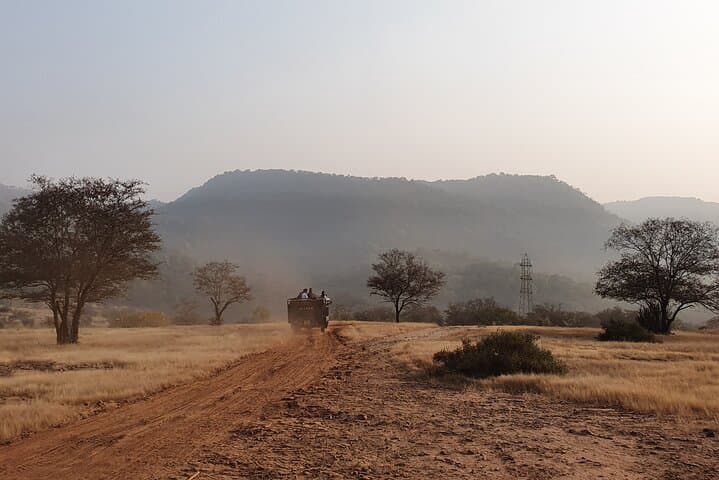
The canter rumbles through dry sal forest as the first pale light spreads over rocky hilltops; a naturalist leans forward, tapping a radio, eyes scanning a sunlit clearing where a bar of grass parts. In Ranthambore National Park that hush is as much a part of the experience as the landscape — granite outcrops, shallow seasonal lakes and low, thorny scrub that shape how wildlife moves and where predators hunt.
Verified experiences and guided adventures in the surrounding area.
Operated by Find My Holidays · Sawai Madhopur, Rajasthan
The canter rumbles through dry sal forest as the first pale light spreads over rocky hilltops; a naturalist leans forward, tapping a radio, eyes scanning a sunlit clearing where a bar of grass parts. In Ranthambore National Park that hush is as much a part of the experience as the landscape — granite outcrops, shallow seasonal lakes and low, thorny scrub that shape how wildlife moves and where predators hunt.
Ranthambore sits in Rajasthan near Sawai Madhopur and is famed for its Bengal tigers and the 10th–12th century Ranthambore Fort that crowns the park’s highest ridge. Geologically the area is marked by exposed rock faces and artificial waterholes created to support dry-season wildlife; culturally the surrounding villages retain strong Rajasthani traditions and market crafts in the nearby town.
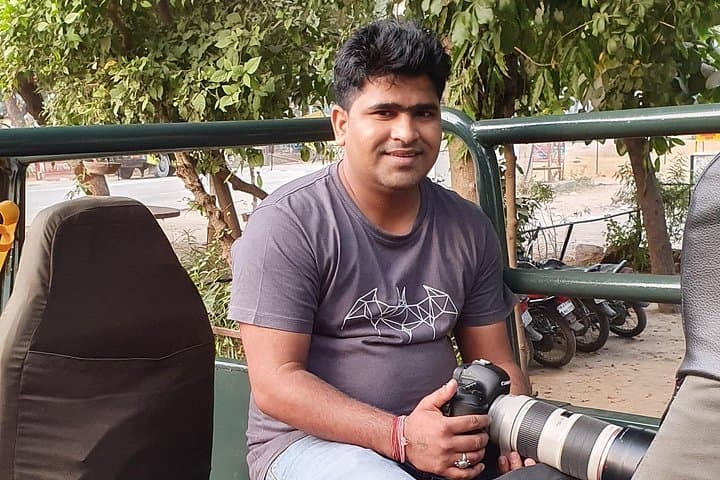
A sharing canter safari (2–3 hours) maximizes panoramic viewing — you’ll ride in an open vehicle with a park naturalist guiding sightings and interpreting tracks, calls and behavior. Mornings and late afternoons are best for tiger activity; birding peaks in the cooler months.
Practical prep: carry binoculars, a telephoto lens and quiet clothing in muted tones. Bring water, sun protection and layered clothing for early chill that warms fast. Keep voices low, stay seated in the canter and follow the naturalist’s instructions — approach wildlife with respect and patience. Note: safaris follow reserve rules, bookings are tightly regulated and entry permits are required, so reserve in advance for the October–April season.
moderate.
2–3 hours.
Low-moderate fitness required: you’ll be seated but need to climb into the canter and remain alert for long periods.
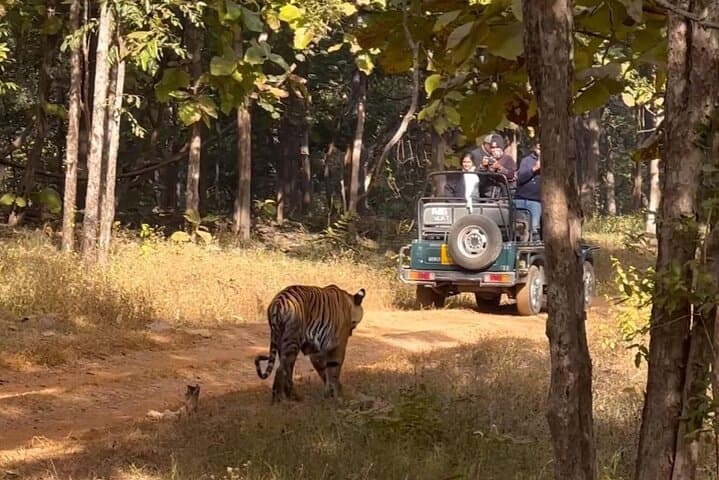
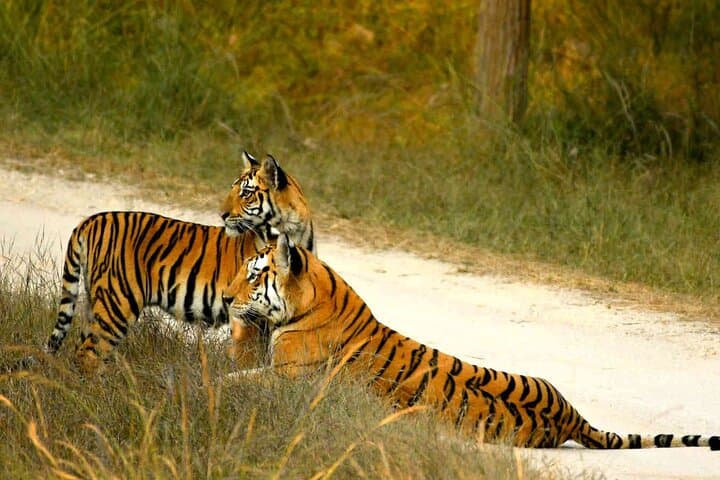
Ranthambore has a healthy tiger population and sightings are common, especially during October–April, but wildlife is wild — sightings cannot be guaranteed.
Pickup and drop-off are often available if selected at booking; confirm the option before you finalize reservations.
Some transportation and areas are wheelchair accessible, but boarding open canters may still be difficult; check accessibility options when booking.
This specific offering lists all sales final with no refunds for cancellations, so verify dates before booking.
Ranthambore has been a royal hunting ground and military stronghold; Ranthambore Fort on its ridgeline dates back to medieval Rajput eras.
The park is part of the Ranthambore Tiger Reserve under Project Tiger; visitors must follow strict rules to limit disturbance and littering to protect habitat and species.
Find My Holidays operates guided outdoor trips and adventures with an emphasis on safety, stewardship, and memorable experiences.
The canter rumbles through dry sal forest as the first pale light spreads over rocky hilltops; a naturalist leans forward, tapping a radio, eyes scanning a sunlit clearing where a bar of grass parts. In Ranthambore National Park that hush is as much a part of the experience as the landscape — granite outcrops, shallow seasonal lakes and low, thorny scrub that shape how wildlife moves and where predators hunt.
The canter rumbles through dry sal forest as the first pale light spreads over rocky hilltops; a naturalist leans forward, tapping a radio, eyes scanning a sunlit clearing where a bar of grass parts. In Ranthambore National Park that hush is as much a part of the experience as the landscape — granite outcrops, shallow seasonal lakes and low, thorny scrub that shape how wildlife moves and where predators hunt.
Ranthambore sits in Rajasthan near Sawai Madhopur and is famed for its Bengal tigers and the 10th–12th century Ranthambore Fort that crowns the park’s highest ridge. Geologically the area is marked by exposed rock faces and artificial waterholes created to support dry-season wildlife; culturally the surrounding villages retain strong Rajasthani traditions and market crafts in the nearby town.
A sharing canter safari (2–3 hours) maximizes panoramic viewing — you’ll ride in an open vehicle with a park naturalist guiding sightings and interpreting tracks, calls and behavior. Mornings and late afternoons are best for tiger activity; birding peaks in the cooler months.
Practical prep: carry binoculars, a telephoto lens and quiet clothing in muted tones. Bring water, sun protection and layered clothing for early chill that warms fast. Keep voices low, stay seated in the canter and follow the naturalist’s instructions — approach wildlife with respect and patience. Note: safaris follow reserve rules, bookings are tightly regulated and entry permits are required, so reserve in advance for the October–April season.