THE ADVENTURE COLLECTIVE® · Independent discovery and booking for outdoor travel

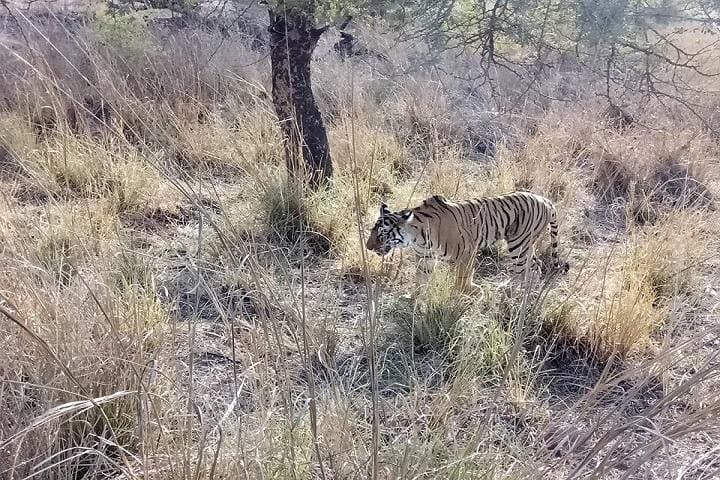
Four days from Delhi deliver jeep safaris, a 994‑AD fort, and the chance to see wild Bengal tigers amid dry deciduous forest and seasonal lakes. Plan for early game drives, advance safari permits, and variable temperatures from dawn chills to hot afternoons.
Four days from Delhi deliver jeep safaris, a 994‑AD fort, and the chance to see wild Bengal tigers amid dry deciduous forest and seasonal lakes. Plan for early game drives, advance safari permits, and variable temperatures from dawn chills to hot afternoons.
You arrive before dawn, the highway from Delhi folding away under a slow, steady hum. By the time you cross into Sawai Madhopur the air smells of dry grass and dust; the forest breathes in long, measured breaths and the lakes dare you to watch. Vehicles glide along sandy tracks, and the park’s scrub and granite outcrops cut abrupt silhouettes against a pale sky.
Verified experiences and guided adventures in the surrounding area.
Operated by Indian Travel Online · Sawai Madhopur, Rajasthan
You arrive before dawn, the highway from Delhi folding away under a slow, steady hum. By the time you cross into Sawai Madhopur the air smells of dry grass and dust; the forest breathes in long, measured breaths and the lakes dare you to watch. Vehicles glide along sandy tracks, and the park’s scrub and granite outcrops cut abrupt silhouettes against a pale sky.
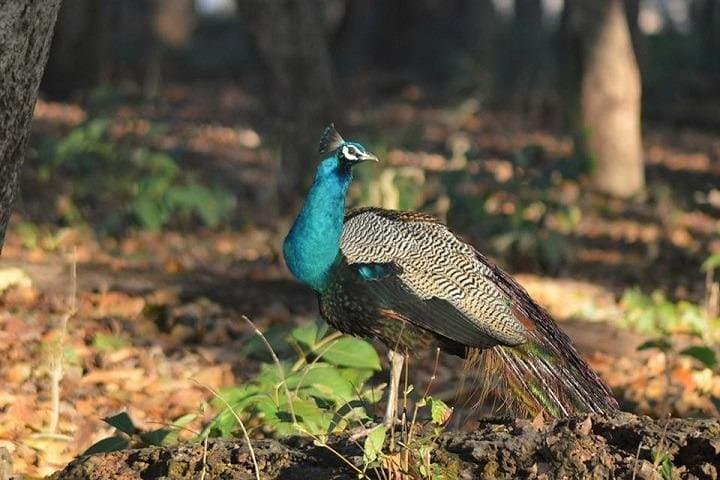
Ranthambore was a Mughal hunting ground turned one of India’s flagship tiger reserves. The landscape is old Vindhyan sandstone — flat-topped ridges, seasonal lakes and the stone of Ranthambore Fort rising roughly 200 meters above the plain. Local villages carry Rajput and local Rajasthani traditions in their crafts and cuisine; mornings bring calls of peafowl while afternoon light turns the scrub golden.
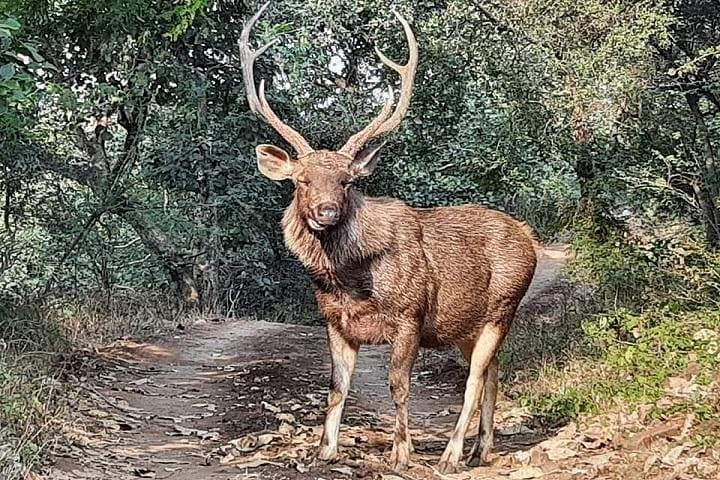
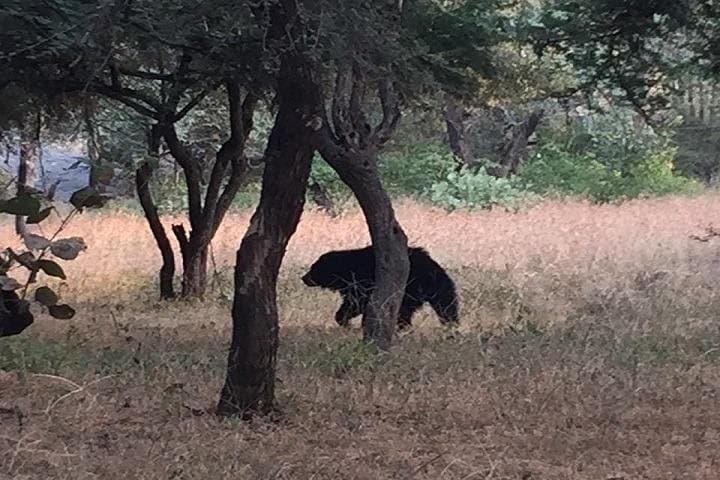
Expect game drives in open jeeps or larger canters, brief walks near reserve boundaries, and early starts: tigers and other large mammals are most active at sunrise and dusk. The reserve covers roughly 392 km² with elevation around 200–300 m, terrain that’s mostly dry deciduous forest with patches of rocky hill.
Practical guide: plan two game drives (morning and afternoon) for the best chance at sightings, carry binoculars and refillable water, and book safari permits well in advance for specific zones. Dress in muted tones, bring sun protection and layers for cool winter mornings. Respect park rules: stay with your vehicle, keep noise low and never attempt to feed or approach wildlife. With a patient eye and a quiet presence, Ranthambore rewards you with dramatic encounters and a deep sense of place.
easy.
3–4 days.
Basic mobility and ability to sit for long drives; short walks around reserve edges may be required.
This itinerary lists transfers and accommodation; jeep and canter safaris are typically booked separately and require park permits—confirm whether your operator handles safari bookings and fees.
October to February offers cooler weather and easier viewing as animals gather near water; sightings can occur year-round but heat and monsoon can reduce visible activity.
Many lodges and vehicles accommodate limited mobility and some options are wheelchair accessible, but core-zone jeep terrain can be bumpy—confirm accessibility details with your operator in advance.
Sightings are possible but not guaranteed; multiple drives increase odds, and an early-morning drive in key zones near water bodies is your best chance.
Ranthambore’s granite fort dates to around 994 AD and played roles in Rajput and later Mughal histories; the reserve later became a Project Tiger stronghold.
Ranthambore is a Project Tiger reserve; visitors should minimize disturbance, stick to vehicles and marked areas, and support local guides and conservation-minded lodges.
Indian Travel Online operates guided outdoor trips and adventures with an emphasis on safety, stewardship, and memorable experiences.
You arrive before dawn, the highway from Delhi folding away under a slow, steady hum. By the time you cross into Sawai Madhopur the air smells of dry grass and dust; the forest breathes in long, measured breaths and the lakes dare you to watch. Vehicles glide along sandy tracks, and the park’s scrub and granite outcrops cut abrupt silhouettes against a pale sky.
You arrive before dawn, the highway from Delhi folding away under a slow, steady hum. By the time you cross into Sawai Madhopur the air smells of dry grass and dust; the forest breathes in long, measured breaths and the lakes dare you to watch. Vehicles glide along sandy tracks, and the park’s scrub and granite outcrops cut abrupt silhouettes against a pale sky.
Ranthambore was a Mughal hunting ground turned one of India’s flagship tiger reserves. The landscape is old Vindhyan sandstone — flat-topped ridges, seasonal lakes and the stone of Ranthambore Fort rising roughly 200 meters above the plain. Local villages carry Rajput and local Rajasthani traditions in their crafts and cuisine; mornings bring calls of peafowl while afternoon light turns the scrub golden.
Expect game drives in open jeeps or larger canters, brief walks near reserve boundaries, and early starts: tigers and other large mammals are most active at sunrise and dusk. The reserve covers roughly 392 km² with elevation around 200–300 m, terrain that’s mostly dry deciduous forest with patches of rocky hill.
Practical guide: plan two game drives (morning and afternoon) for the best chance at sightings, carry binoculars and refillable water, and book safari permits well in advance for specific zones. Dress in muted tones, bring sun protection and layers for cool winter mornings. Respect park rules: stay with your vehicle, keep noise low and never attempt to feed or approach wildlife. With a patient eye and a quiet presence, Ranthambore rewards you with dramatic encounters and a deep sense of place.