THE ADVENTURE COLLECTIVE® · Independent discovery and booking for outdoor travel

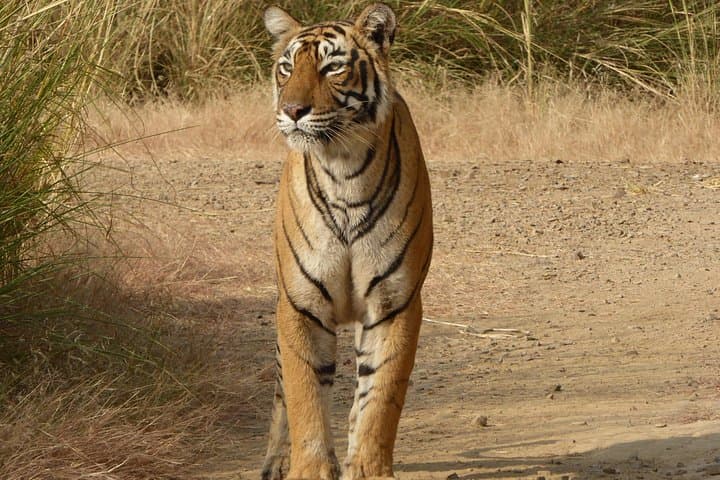
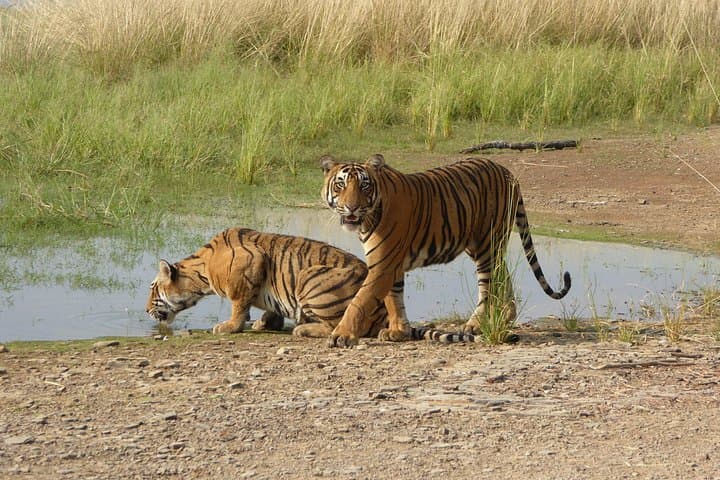
Set out before sunrise in a jeep across rocky ridges and seasonal lakes to chase sightings of the Royal Bengal Tiger. This practical guide outlines what to expect on a Ranthambore safari — from history and habitat to timing, gear, and park etiquette.
Set out before sunrise in a jeep across rocky ridges and seasonal lakes to chase sightings of the Royal Bengal Tiger. This practical guide outlines what to expect on a Ranthambore safari — from history and habitat to timing, gear, and park etiquette.
Dawn finds the jeep threading through dry riverbeds and open meadows as the forest wakes: langurs call from tamarind branches, and dust rises under the steady tread of the vehicle. The guide scans the grass; every rustle could be a spotted deer — or, with luck, a tiger reclining in a patch of shade.
Verified experiences and guided adventures in the surrounding area.
Operated by The Ranthambore Tiger · Sawai Madhopur, Rajasthan
Dawn finds the jeep threading through dry riverbeds and open meadows as the forest wakes: langurs call from tamarind branches, and dust rises under the steady tread of the vehicle. The guide scans the grass; every rustle could be a spotted deer — or, with luck, a tiger reclining in a patch of shade.
Ranthambore sits on the edge of the Deccan plateau where rocky ridges and seasonal lakes shape habitats for big cats and migratory birds. The area’s fort—an imposing medieval stronghold—speaks to centuries of Rajput and Mughal history and offers panoramic views that explain why this landscape was fought over. Local communities around Sawai Madhopur maintain craft and festival traditions tied to the land, while folklore often positions the tiger as both hunter and guardian.
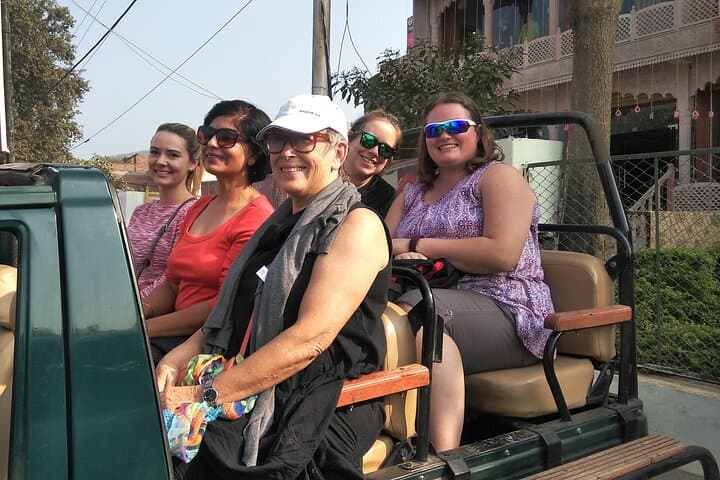
A typical visit is a shared jeep safari of about 3–4 hours, usually at first light or late afternoon when predators are most active. Vehicles follow designated zones and routes; guides use experience, spoor, and radio reports to find likely spots. Expect dusty tracks, sudden clearings where the forest seems to hold its breath, and a strict code of conduct: stay seated, keep voices low, and follow the ranger’s cues.
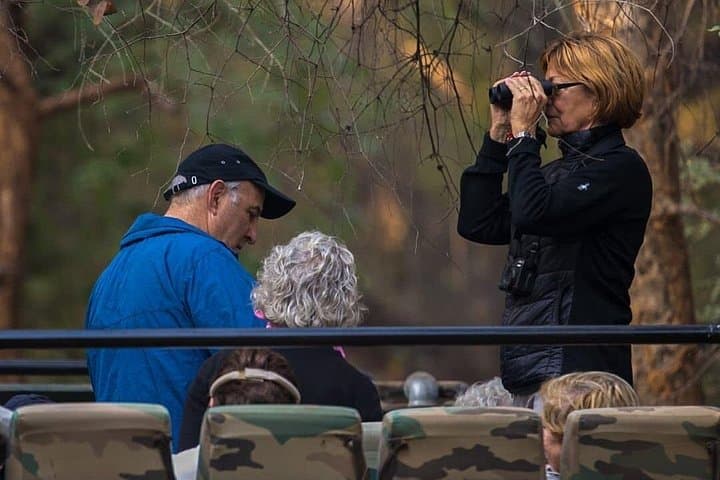
Practically, book morning slots for the best light and animal activity, bring binoculars and a telephoto lens, and dress in neutral tones. Hydrate before your run and keep a small daypack for sunscreen, water, and permits. The park is a place where patience pays — the terrain will test your focus, and the wildlife will reward restraint.
easy.
3–4 hours.
No special fitness required—suitable for most travelers who can sit in a jeep for several hours.
Sightings are never guaranteed, but mornings and late afternoons increase odds; Ranthambore is one of India’s best places to encounter wild tigers due to its healthy population and managed zones.
Children can join safaris but must follow park safety rules; pregnant travelers should consult their doctor—some operators advise against participation.
Yes—park entry and safari permits are required and often sold per vehicle and time slot; booking in advance is strongly recommended during peak season.
Common sightings include sambar and spotted deer, striped hyena, sloth bear, langurs, peafowl, and a variety of resident and migratory birds.
Ranthambore’s fort and surrounding lands were strategic medieval strongholds for Rajput rulers; the park later became a core area under India’s Project Tiger in the 1970s.
The park is central to tiger conservation, with zoned tourism to limit pressure; visitors should follow guidelines to minimize disturbance and support local anti-poaching efforts.
The Ranthambore Tiger operates guided outdoor trips and adventures with an emphasis on safety, stewardship, and memorable experiences.
Dawn finds the jeep threading through dry riverbeds and open meadows as the forest wakes: langurs call from tamarind branches, and dust rises under the steady tread of the vehicle. The guide scans the grass; every rustle could be a spotted deer — or, with luck, a tiger reclining in a patch of shade.
Dawn finds the jeep threading through dry riverbeds and open meadows as the forest wakes: langurs call from tamarind branches, and dust rises under the steady tread of the vehicle. The guide scans the grass; every rustle could be a spotted deer — or, with luck, a tiger reclining in a patch of shade.
Ranthambore sits on the edge of the Deccan plateau where rocky ridges and seasonal lakes shape habitats for big cats and migratory birds. The area’s fort—an imposing medieval stronghold—speaks to centuries of Rajput and Mughal history and offers panoramic views that explain why this landscape was fought over. Local communities around Sawai Madhopur maintain craft and festival traditions tied to the land, while folklore often positions the tiger as both hunter and guardian.
A typical visit is a shared jeep safari of about 3–4 hours, usually at first light or late afternoon when predators are most active. Vehicles follow designated zones and routes; guides use experience, spoor, and radio reports to find likely spots. Expect dusty tracks, sudden clearings where the forest seems to hold its breath, and a strict code of conduct: stay seated, keep voices low, and follow the ranger’s cues.
Practically, book morning slots for the best light and animal activity, bring binoculars and a telephoto lens, and dress in neutral tones. Hydrate before your run and keep a small daypack for sunscreen, water, and permits. The park is a place where patience pays — the terrain will test your focus, and the wildlife will reward restraint.