THE ADVENTURE COLLECTIVE® · Independent discovery and booking for outdoor travel

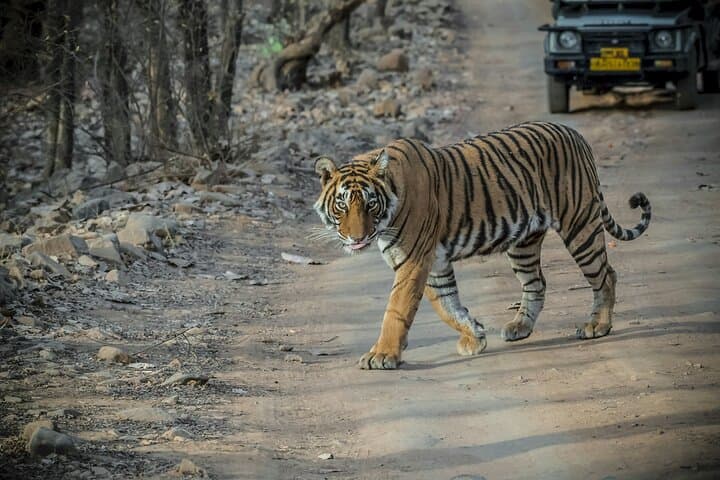
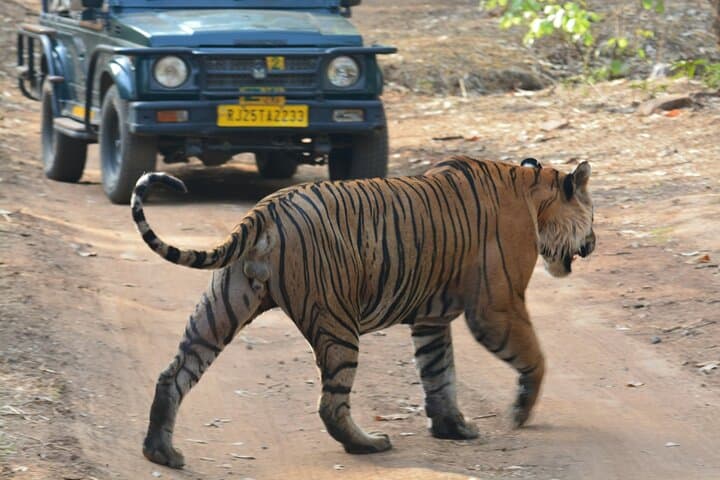
Drive four hours from Jaipur into the dry-forest hills of Ranthambore for a three-hour open-top safari searching for Royal Bengal tigers, sloth bears and resident birdlife. This full-day trip pairs wildlife watching with a glimpse of the park’s sandstone fort and temple ruins.
Drive four hours from Jaipur into the dry-forest hills of Ranthambore for a three-hour open-top safari searching for Royal Bengal tigers, sloth bears and resident birdlife. This full-day trip pairs wildlife watching with a glimpse of the park’s sandstone fort and temple ruins.
A dry wind pushes through acacia and khejri as the road unspools toward the park — the landscape tightening into low hills and scrub that seem to watch you arrive. By midafternoon the canter's engine sighs and the forest's quiet leans in; grasses rustle like a crowd whispering about a large cat somewhere nearby. The first sighting could be a silhouette at a waterhole or the slow roll of a langur signaling a presence.
Verified experiences and guided adventures in the surrounding area.
Operated by India Rajasthan Tour Cab · Sawai Madhopur, Rajasthan
A dry wind pushes through acacia and khejri as the road unspools toward the park — the landscape tightening into low hills and scrub that seem to watch you arrive. By midafternoon the canter's engine sighs and the forest's quiet leans in; grasses rustle like a crowd whispering about a large cat somewhere nearby. The first sighting could be a silhouette at a waterhole or the slow roll of a langur signaling a presence.
Ranthambore sits in southeastern Rajasthan near Sawai Madhopur, where sandstone ridges and the 10th-century Ranthambore Fort remind visitors that this was once royal hunting terrain. Geologically the park is a mix of Vindhyan sandstone outcrops, shallow lakes and dry deciduous forest; culturally the area carries temple ruins and caravan-era roads that trace older human use of the landscape.
On a guided three-hour jungle safari — by open-top jeep (Gypsy) or 20-seat canter — expect to travel zoned routes under the direction of a forest naturalist. Tigers are the headline, but you’ll also watch for sloth bear, leopard, mugger crocodile at larger waterbodies, and an array of resident and migratory birds.
Practical guide: the park lies roughly 180 km from Jaipur (3.5–4 hours one way) and safaris follow strict entry checks — carry original ID. Dress in muted colors, bring binoculars, sunscreen, refillable water, and a light layer for cooler mornings. Heat peaks in late spring and summer; winter mornings are cold but often reward better visibility. Respect forest rules, stay in your vehicle during sightings, and coordinate timing with your operator — afternoon safaris commonly run from about 14:30 to 17:30 depending on season.
moderate.
10–12 hours.
Moderate fitness: able to tolerate several hours of driving, short walks, and bumpy rides; not suitable for those with serious cardiovascular issues or late-stage pregnancy.
The road distance is about 180 km and typically takes 3.5–4 hours each way depending on traffic and stops.
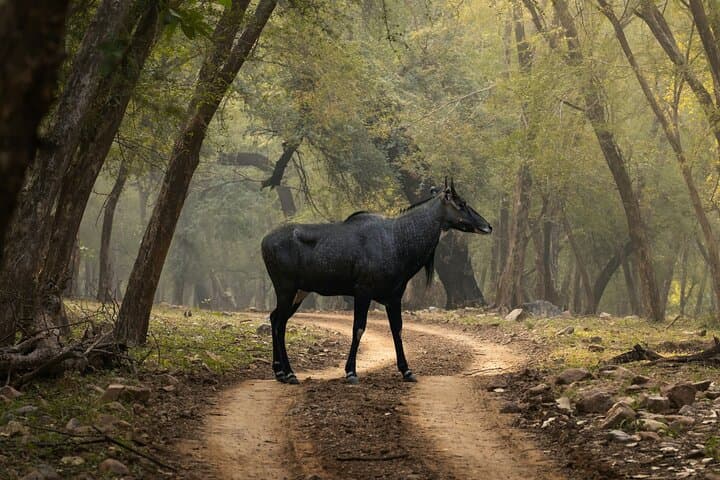
Common sightings include sloth bears, leopards, various deer species, langurs, hyenas, mugger crocodiles near lakes, and many resident and migratory birds.
Yes — the Forest Department requires original photo identification for all visitors and issues zone assignments at entry.
Winter (Dec–Feb) and the dry late season (Mar–Jun) often yield better visibility at waterholes; the park is typically closed or difficult to access during the monsoon months (July–Sept).
Ranthambore was a favored hunting reserve for Jaipur royalty; the 10th-century Ranthambore Fort atop sandstone ridges anchors the park’s cultural past.
Ranthambore is managed under India’s Project Tiger protections; visitors should follow vehicle-only rules and guidance from naturalists to minimize disturbance to wildlife and fragile waterholes.
India Rajasthan Tour Cab operates guided outdoor trips and adventures with an emphasis on safety, stewardship, and memorable experiences.

A dry wind pushes through acacia and khejri as the road unspools toward the park — the landscape tightening into low hills and scrub that seem to watch you arrive. By midafternoon the canter's engine sighs and the forest's quiet leans in; grasses rustle like a crowd whispering about a large cat somewhere nearby. The first sighting could be a silhouette at a waterhole or the slow roll of a langur signaling a presence.
A dry wind pushes through acacia and khejri as the road unspools toward the park — the landscape tightening into low hills and scrub that seem to watch you arrive. By midafternoon the canter's engine sighs and the forest's quiet leans in; grasses rustle like a crowd whispering about a large cat somewhere nearby. The first sighting could be a silhouette at a waterhole or the slow roll of a langur signaling a presence.
Ranthambore sits in southeastern Rajasthan near Sawai Madhopur, where sandstone ridges and the 10th-century Ranthambore Fort remind visitors that this was once royal hunting terrain. Geologically the park is a mix of Vindhyan sandstone outcrops, shallow lakes and dry deciduous forest; culturally the area carries temple ruins and caravan-era roads that trace older human use of the landscape.
On a guided three-hour jungle safari — by open-top jeep (Gypsy) or 20-seat canter — expect to travel zoned routes under the direction of a forest naturalist. Tigers are the headline, but you’ll also watch for sloth bear, leopard, mugger crocodile at larger waterbodies, and an array of resident and migratory birds.
Practical guide: the park lies roughly 180 km from Jaipur (3.5–4 hours one way) and safaris follow strict entry checks — carry original ID. Dress in muted colors, bring binoculars, sunscreen, refillable water, and a light layer for cooler mornings. Heat peaks in late spring and summer; winter mornings are cold but often reward better visibility. Respect forest rules, stay in your vehicle during sightings, and coordinate timing with your operator — afternoon safaris commonly run from about 14:30 to 17:30 depending on season.