THE ADVENTURE COLLECTIVE® · Independent discovery and booking for outdoor travel

Head into Rajaji’s Ranipur Zone for an open-jeep safari with high odds of leopard sightings. This practical guide covers what to expect on the drives, when to go, and how to prepare for bumpy, dust-prone game viewing.
Head into Rajaji’s Ranipur Zone for an open-jeep safari with high odds of leopard sightings. This practical guide covers what to expect on the drives, when to go, and how to prepare for bumpy, dust-prone game viewing.
Early morning light slices through mixed sal forest as an open jeep threads a rocky ridge in the Ranipur Zone of Rajaji Tiger Reserve. The engine is a low growl; the canopy of trees leans close, and every scrub and shadow seems to be watching. Here the terrain shifts quickly—rocky outcrops give way to riverbeds and open grasslands where leopards favor shaded ledges and elephants move in slow, deliberate bands.
Verified experiences and guided adventures in the surrounding area.
Operated by Rishikesh Day Tour · Haridwar, Uttarakhand
Early morning light slices through mixed sal forest as an open jeep threads a rocky ridge in the Ranipur Zone of Rajaji Tiger Reserve. The engine is a low growl; the canopy of trees leans close, and every scrub and shadow seems to be watching. Here the terrain shifts quickly—rocky outcrops give way to riverbeds and open grasslands where leopards favor shaded ledges and elephants move in slow, deliberate bands.
Rajaji sits at the lower reaches of the Himalaya foothills, a mosaic of alluvial plains, ancient river terraces and fragmented hills shaped by uplift and monsoon-driven erosion. Human culture around Haridwar and Rishikesh folds into the landscape: pilgrim towns, pastoral grazing, and longstanding forest management practices that affect wildlife corridors.
Practically, a Ranipur open-jeep safari is sensory and tactical. Drives cover roughly 25 km over 1.5–2 hours of game viewing inside a larger half-day outing including transfers. Best visibility is in the cooler months (November–June); the park closes for monsoon. Keep camera-ready at all times; sightings are possible but never guaranteed. Guides read spoor and light, positioning jeeps to minimize disturbance while maximizing viewing angles. Expect bumpy tracks, dust, and sudden quiet when an animal freezes under the trees.
Pack sun and dust protection, a zoom lens or binoculars, and layers for early chill. Follow guide instructions—stay seated in the jeep, keep noise low, and avoid flash photography. With patience and timing, Ranipur offers one of the region’s most reliable chances to encounter the elusive leopard and the diverse cast of deer, nilgai and birds that share its hunting grounds.
easy.
4–6 hours.
Low-impact; suitable for most fitness levels but expect bumpy rides and short walks at stop points
November through June is ideal; cooler months improve visibility and animal movement—the park closes during the monsoon.
The game drive itself typically lasts 1.5–2 hours covering about 25 km, but transfers and waiting bring the total outing to roughly 4–6 hours.
Yes—infants must sit on an adult’s lap; infant seats are sometimes available. Confirm age rules with the operator at booking.
Entry fees, forest eco-charges and any foreigner fees are usually covered by the tour but always confirm whether additional park permits are required at the gate.
Rajaji Reserve connects Terai and Shivalik habitats; post-independence forest reserves and elephant corridors shaped modern protection efforts.
Visitor numbers are managed seasonally to reduce disturbance; follow guide instructions to protect sensitive habitats and maintain wildlife corridors.
Rishikesh Day Tour operates guided outdoor trips and adventures with an emphasis on safety, stewardship, and memorable experiences.


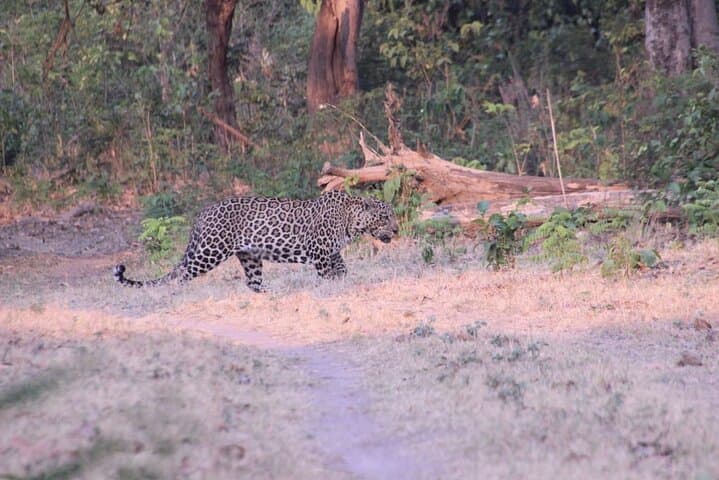
Early morning light slices through mixed sal forest as an open jeep threads a rocky ridge in the Ranipur Zone of Rajaji Tiger Reserve. The engine is a low growl; the canopy of trees leans close, and every scrub and shadow seems to be watching. Here the terrain shifts quickly—rocky outcrops give way to riverbeds and open grasslands where leopards favor shaded ledges and elephants move in slow, deliberate bands.
Early morning light slices through mixed sal forest as an open jeep threads a rocky ridge in the Ranipur Zone of Rajaji Tiger Reserve. The engine is a low growl; the canopy of trees leans close, and every scrub and shadow seems to be watching. Here the terrain shifts quickly—rocky outcrops give way to riverbeds and open grasslands where leopards favor shaded ledges and elephants move in slow, deliberate bands.
Rajaji sits at the lower reaches of the Himalaya foothills, a mosaic of alluvial plains, ancient river terraces and fragmented hills shaped by uplift and monsoon-driven erosion. Human culture around Haridwar and Rishikesh folds into the landscape: pilgrim towns, pastoral grazing, and longstanding forest management practices that affect wildlife corridors.
Practically, a Ranipur open-jeep safari is sensory and tactical. Drives cover roughly 25 km over 1.5–2 hours of game viewing inside a larger half-day outing including transfers. Best visibility is in the cooler months (November–June); the park closes for monsoon. Keep camera-ready at all times; sightings are possible but never guaranteed. Guides read spoor and light, positioning jeeps to minimize disturbance while maximizing viewing angles. Expect bumpy tracks, dust, and sudden quiet when an animal freezes under the trees.
Pack sun and dust protection, a zoom lens or binoculars, and layers for early chill. Follow guide instructions—stay seated in the jeep, keep noise low, and avoid flash photography. With patience and timing, Ranipur offers one of the region’s most reliable chances to encounter the elusive leopard and the diverse cast of deer, nilgai and birds that share its hunting grounds.