THE ADVENTURE COLLECTIVE® · Independent discovery and booking for outdoor travel

Experience the pilot’s seat over Canterbury: a one-hour trial helicopter flight from Rangiora Airfield lets you take the controls under an instructor’s supervision, with optional mountain landings and panoramic views of the Southern Alps.
Experience the pilot’s seat over Canterbury: a one-hour trial helicopter flight from Rangiora Airfield lets you take the controls under an instructor’s supervision, with optional mountain landings and panoramic views of the Southern Alps.
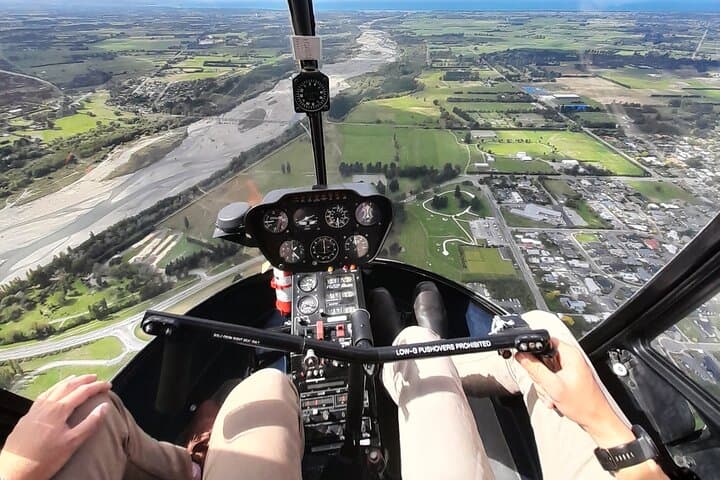
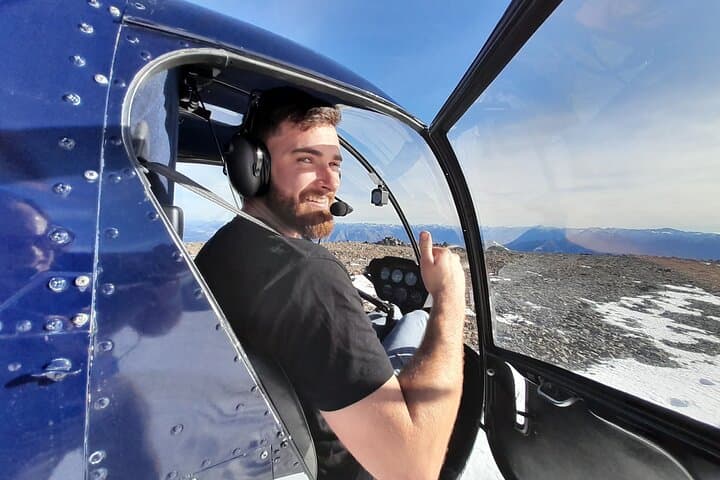
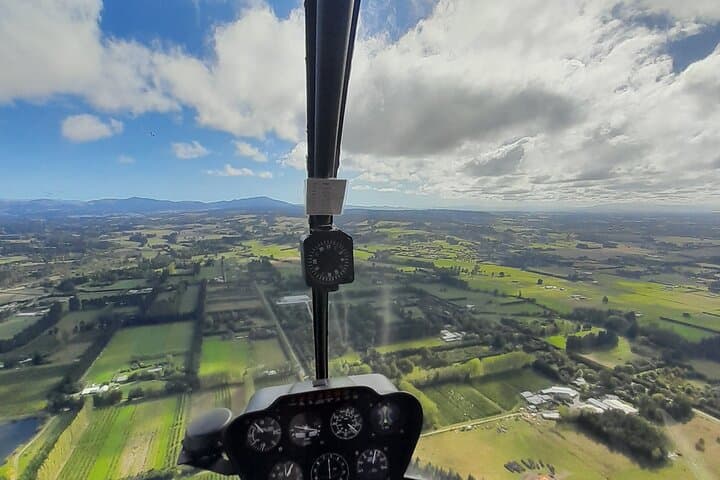
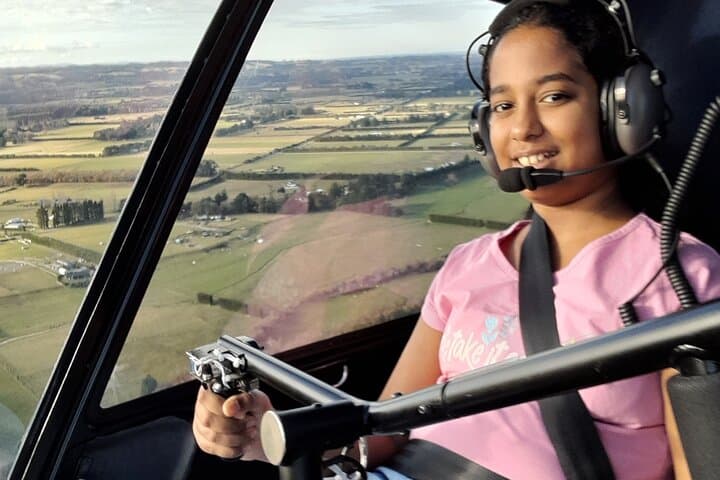
The rotor wash hits first — a steady thrum that vibrates through your boots as the helicopter lifts off the grass at Rangiora Airfield. Below, farmland unrolls into patchwork; ahead, the dark line of the Southern Alps waits on the horizon. In a trial flight you don’t just watch the view — you’re coached through controls, given the cyclic and collective, and guided to take the aircraft through each stage of flight under a qualified instructor’s steady eye.
Verified experiences and guided adventures in the surrounding area.
Operated by Way To Go Heliservices · Rangiora, Canterbury
The rotor wash hits first — a steady thrum that vibrates through your boots as the helicopter lifts off the grass at Rangiora Airfield. Below, farmland unrolls into patchwork; ahead, the dark line of the Southern Alps waits on the horizon. In a trial flight you don’t just watch the view — you’re coached through controls, given the cyclic and collective, and guided to take the aircraft through each stage of flight under a qualified instructor’s steady eye.
Canterbury’s plains and nearby foothills make Rangiora a longtime training ground; the airfield’s distance from busy controlled airspace lets students spend more time learning maneuvers and, if conditions allow, practicing mountain approaches or even a short alpine landing. Geology here shifts quickly: the flat braided-river country of the Canterbury Plains rises into grey schist and snowfields toward the ranges — a dramatic classroom for visual navigation.
Culturally, flying in this region ties into New Zealand’s rural aviation history and search-and-rescue traditions; instructors often have backgrounds in both private charters and alpine operations.
Practical guidance: flights run about 60 minutes and include a briefing on systems before you lift. There’s a 100 kg maximum; let the operator know any special needs. Wear close-fitting layers (it’s often colder in the air), sturdy shoes, and bring sunglasses and a camera secured with a strap. Expect a manual booking confirmation, a 24-hour cancellation window for full refund, and staff trained to accommodate wheelchair users at the airfield. If you want a particular experience — mountain landing, scenic focus, or extra stick time — ask prior to booking so the instructor can tailor the flight.
easy.
60 minutes.
No special fitness required — basic mobility and ability to follow safety briefings is sufficient
Yes — under the direct supervision of a qualified instructor you’ll be guided through takeoff, basic control inputs, and landing phases, though the instructor retains ultimate control for safety.
This flight has a maximum passenger weight limit of 100 kg; contact the operator if this may affect your booking.
The Rangiora setup is wheelchair accessible for ground areas and transport; discuss any specific transfer needs when booking so staff can prepare assistance.
Full refunds are available if you cancel at least 24 hours before departure; flights may be canceled by the operator for bad weather.
Rangiora and the wider Canterbury region have a strong agricultural aviation history; small aerodromes here have trained pilots for civilian, aerial topdressing, and search-and-rescue roles for decades.
Operators follow strict noise and route guidelines to minimize disturbance to farmland and sensitive alpine areas; pilots avoid low passes over breeding bird habitats when possible.
Way To Go Heliservices operates guided outdoor trips and adventures with an emphasis on safety, stewardship, and memorable experiences.
The rotor wash hits first — a steady thrum that vibrates through your boots as the helicopter lifts off the grass at Rangiora Airfield. Below, farmland unrolls into patchwork; ahead, the dark line of the Southern Alps waits on the horizon. In a trial flight you don’t just watch the view — you’re coached through controls, given the cyclic and collective, and guided to take the aircraft through each stage of flight under a qualified instructor’s steady eye.
The rotor wash hits first — a steady thrum that vibrates through your boots as the helicopter lifts off the grass at Rangiora Airfield. Below, farmland unrolls into patchwork; ahead, the dark line of the Southern Alps waits on the horizon. In a trial flight you don’t just watch the view — you’re coached through controls, given the cyclic and collective, and guided to take the aircraft through each stage of flight under a qualified instructor’s steady eye.
Canterbury’s plains and nearby foothills make Rangiora a longtime training ground; the airfield’s distance from busy controlled airspace lets students spend more time learning maneuvers and, if conditions allow, practicing mountain approaches or even a short alpine landing. Geology here shifts quickly: the flat braided-river country of the Canterbury Plains rises into grey schist and snowfields toward the ranges — a dramatic classroom for visual navigation.
Culturally, flying in this region ties into New Zealand’s rural aviation history and search-and-rescue traditions; instructors often have backgrounds in both private charters and alpine operations.
Practical guidance: flights run about 60 minutes and include a briefing on systems before you lift. There’s a 100 kg maximum; let the operator know any special needs. Wear close-fitting layers (it’s often colder in the air), sturdy shoes, and bring sunglasses and a camera secured with a strap. Expect a manual booking confirmation, a 24-hour cancellation window for full refund, and staff trained to accommodate wheelchair users at the airfield. If you want a particular experience — mountain landing, scenic focus, or extra stick time — ask prior to booking so the instructor can tailor the flight.