THE ADVENTURE COLLECTIVE® · Independent discovery and booking for outdoor travel

Spend a full day moving from the carved marble halls of Ranakpur to the ramparts of Kumbhalgarh Fort. This private tour from Udaipur offers temple architecture, hill‑fort panoramas, and a Jodhpur drop option—ideal for travelers chaining Rajasthan highlights.
Spend a full day moving from the carved marble halls of Ranakpur to the ramparts of Kumbhalgarh Fort. This private tour from Udaipur offers temple architecture, hill‑fort panoramas, and a Jodhpur drop option—ideal for travelers chaining Rajasthan highlights.
You roll out of Udaipur before dawn and the road flattens into the pale ochre of Rajasthan. The Aravalli ridges push low and steady to either side, their scrub and rocky outcrops catching the first light as your air‑conditioned vehicle threads toward two very different monuments: the quiet marble halls of Ranakpur and the vast battlements of Kumbhalgarh.
Verified experiences and guided adventures in the surrounding area.
Operated by Jee Tours · Udaipur, Rajasthan
You roll out of Udaipur before dawn and the road flattens into the pale ochre of Rajasthan. The Aravalli ridges push low and steady to either side, their scrub and rocky outcrops catching the first light as your air‑conditioned vehicle threads toward two very different monuments: the quiet marble halls of Ranakpur and the vast battlements of Kumbhalgarh.
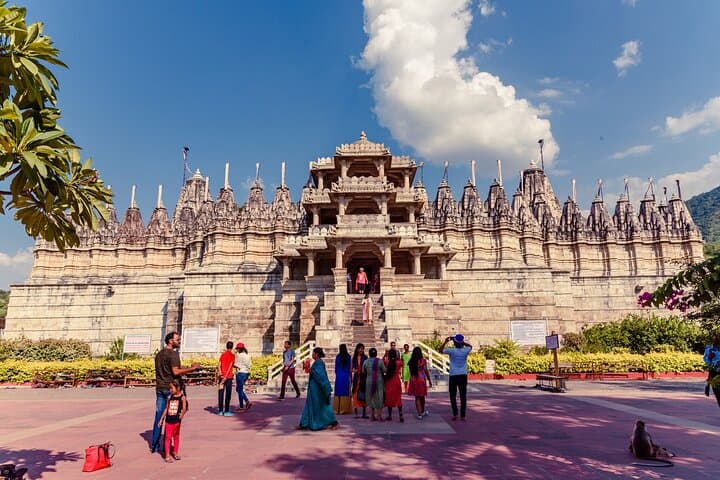
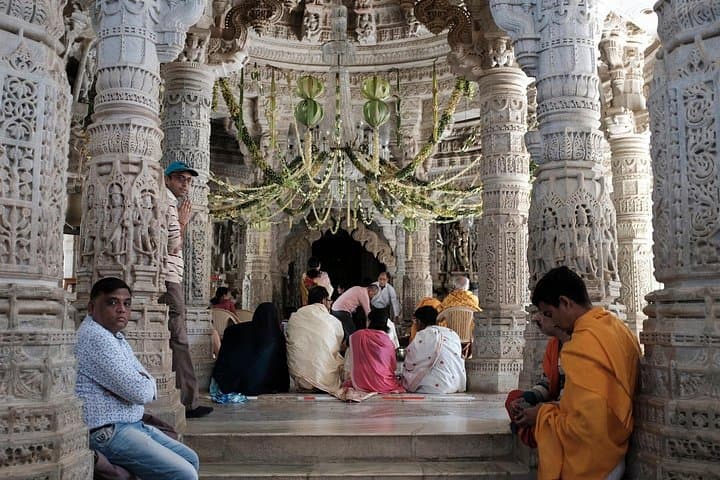
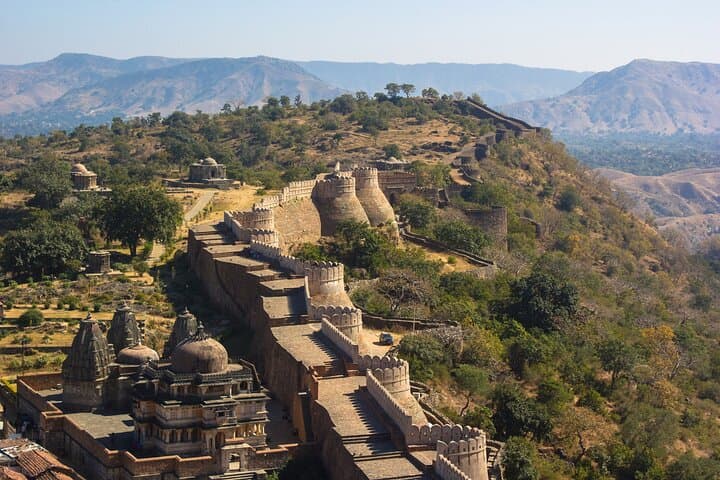
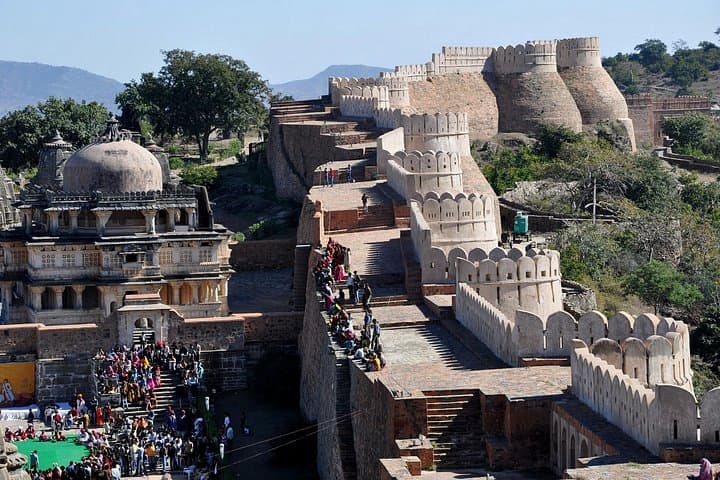
Ranakpur’s Chaumukha temple is a late‑medieval Jain complex famed for its carved marble pillars and geometric precision; human voices must yield to the temple’s audio guide system and full‑coverage clothing is required for entry. Kumbhalgarh, built by Rana Kumbha in the 15th century, sits on a western Aravalli spur — its wall snakes over ridges for miles and offers broad views of hilltop villages, ancient tanks and battlements that once shaped regional politics. Geology here is ancient metamorphic rock; the hills are folded, compact, and resilient, which is why many fortifications endured for centuries.
Expect several short walks and steps inside the fort, and flat, shaded pathways at Ranakpur. Cultural notes: both sites reflect Rajput and Jain patronage and religious tolerance; local markets in Sadri and villages near the fort sell handcrafted stonework and textiles. Practical guidance: plan for a 9‑hour day, bring a headscarf and modest layers for the temple, carry 2–3 liters of water, and wear grippy shoes for uneven stone steps. Photographs are allowed in many areas but follow signage in sanctums. If you’re aiming for dramatic light and cooler temps, schedule travel in early morning or late afternoon; midday heat in summer can be intense. The tour includes private transport and drop in Jodhpur if optioned — confirm whether entry fees and a Kumbhalgarh guide are included when you book.
moderate.
9 hours.
Suitable for travelers who can walk stairs and uneven ground for several short stretches over a day; minimal stamina required between drives.
Some tour options include entry tickets—confirm on booking; Ranakpur may require an audio guide fee which is often not included.
Kumbhalgarh often provides a professional local guide with some options; Ranakpur uses audio guides inside temple precincts and human guides are restricted.
Photography is generally allowed in many outdoor areas, but follow signage and respect restricted sanctum zones at Ranakpur where cameras may be limited.
Yes — this itinerary lists a Udaipur pickup with a Jodhpur drop option; confirm logistics and any additional drop fees when booking.
Kumbhalgarh was fortified by Rana Kumbha in the 15th century and later became part of the Hill Forts of Rajasthan UNESCO group; Ranakpur’s marble temples were established by a 15th‑century Jain patron following a vision.
Both sites face visitor pressure and are managed to protect stonework and religious practices—stay on paths, avoid littering and follow rules in sanctums to minimize impact.
Jee Tours operates guided outdoor trips and adventures with an emphasis on safety, stewardship, and memorable experiences.
You roll out of Udaipur before dawn and the road flattens into the pale ochre of Rajasthan. The Aravalli ridges push low and steady to either side, their scrub and rocky outcrops catching the first light as your air‑conditioned vehicle threads toward two very different monuments: the quiet marble halls of Ranakpur and the vast battlements of Kumbhalgarh.
You roll out of Udaipur before dawn and the road flattens into the pale ochre of Rajasthan. The Aravalli ridges push low and steady to either side, their scrub and rocky outcrops catching the first light as your air‑conditioned vehicle threads toward two very different monuments: the quiet marble halls of Ranakpur and the vast battlements of Kumbhalgarh.
Ranakpur’s Chaumukha temple is a late‑medieval Jain complex famed for its carved marble pillars and geometric precision; human voices must yield to the temple’s audio guide system and full‑coverage clothing is required for entry. Kumbhalgarh, built by Rana Kumbha in the 15th century, sits on a western Aravalli spur — its wall snakes over ridges for miles and offers broad views of hilltop villages, ancient tanks and battlements that once shaped regional politics. Geology here is ancient metamorphic rock; the hills are folded, compact, and resilient, which is why many fortifications endured for centuries.
Expect several short walks and steps inside the fort, and flat, shaded pathways at Ranakpur. Cultural notes: both sites reflect Rajput and Jain patronage and religious tolerance; local markets in Sadri and villages near the fort sell handcrafted stonework and textiles. Practical guidance: plan for a 9‑hour day, bring a headscarf and modest layers for the temple, carry 2–3 liters of water, and wear grippy shoes for uneven stone steps. Photographs are allowed in many areas but follow signage in sanctums. If you’re aiming for dramatic light and cooler temps, schedule travel in early morning or late afternoon; midday heat in summer can be intense. The tour includes private transport and drop in Jodhpur if optioned — confirm whether entry fees and a Kumbhalgarh guide are included when you book.