THE ADVENTURE COLLECTIVE® · Independent discovery and booking for outdoor travel

Spend a day away from Udaipur’s lakes to tour Ranakpur’s intricately carved Jain temple and then take an open‑jeep safari into dry deciduous forest. This private eight‑hour outing combines architectural wonder with a calm, wildlife‑focused drive.
Spend a day away from Udaipur’s lakes to tour Ranakpur’s intricately carved Jain temple and then take an open‑jeep safari into dry deciduous forest. This private eight‑hour outing combines architectural wonder with a calm, wildlife‑focused drive.
The road out of Udaipur unwinds through scrubby plains and folded hills until the marble of Ranakpur appears like a cool promise on a wooded knob. You step from an air-conditioned car into a courtyard of carved pillars; light threads through latticed screens and the quiet inside the 15th‑century Jain shrine feels measured, deliberate.
Verified experiences and guided adventures in the surrounding area.
Operated by Balaji Forex Tours And Travels · Ranakpur, Rajasthan
The road out of Udaipur unwinds through scrubby plains and folded hills until the marble of Ranakpur appears like a cool promise on a wooded knob. You step from an air-conditioned car into a courtyard of carved pillars; light threads through latticed screens and the quiet inside the 15th‑century Jain shrine feels measured, deliberate.
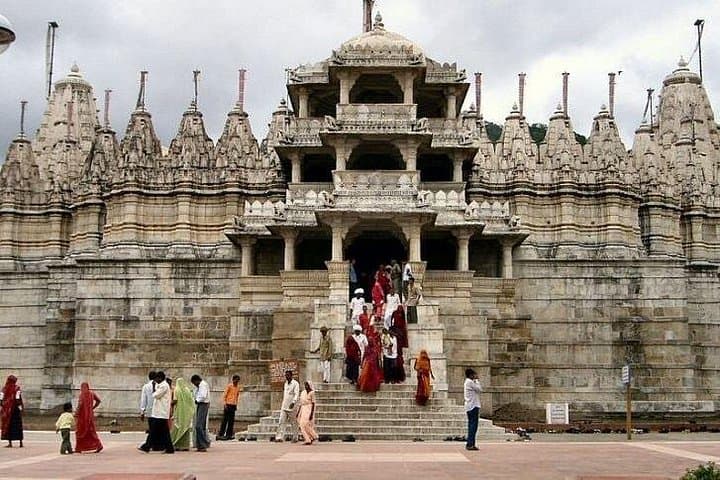
Ranakpur’s temple complex—built over decades in the 1400s with royal support from the King of Mewar—sits on a low ridge of marble-bearing rock. Its 1,400-plus pillars and domed ceilings are an exercise in geometry and hand-carved detail; the stonework reflects both local craft traditions and Jain austerity. Leave your shoes and your hurry at the gate: photography and modest dress are expected, and guides will point out iconography and donor inscriptions that link the temple to regional politics and patronage.
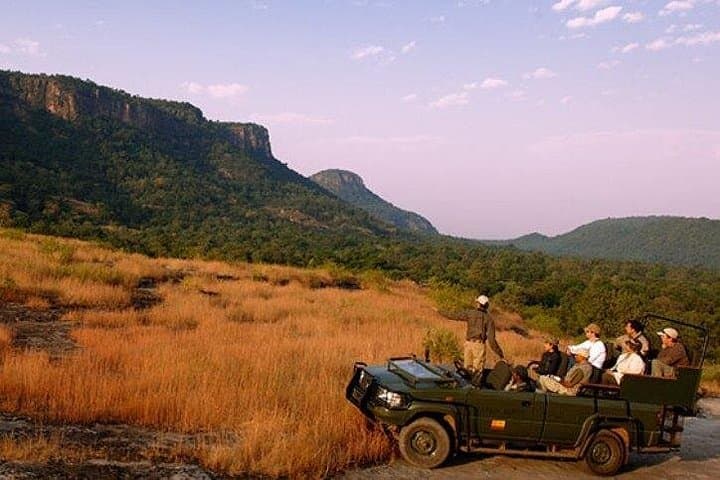
Beyond the sanctum, the landscape shifts. An open jeep takes you into dry deciduous forest where the scrub and thorn trees seem to breathe—wind and sun pushing you along the track. Wildlife here is understated: nilgai (blue bull), chinkara, blackbuck, desert foxes, hares and partridges are commonly sighted; large predators are rare but present in wider protected areas.
Practicalities: this private eight‑hour trip typically allows ~2 hours at the temple and 2–3 hours for a jeep safari; hotel pickup and drop-off from Udaipur is included. Dress in breathable, respectful layers; bring water, a sun hat, and closed shoes for uneven stone floors and jeep tracks. Cash is useful for small temple donations or local snacks. The pace is moderate—rich in detail, low on technical challenge—and rewards a curious, steady stride.
moderate.
8 hours.
Suitable for most travelers with basic mobility—expect walking on carved stone floors and short uneven trails during the safari.
Most private tours allot about two hours at the temple—enough time to see the main hall, pillars and some of the subsidiary shrines.
No—sightings of nilgai, chinkara, blackbuck and foxes are common, but wildlife is wild and sightings depend on season and luck.
Yes—this tour is marketed as suitable for all physical fitness levels, though those with spinal issues should avoid the bumpy jeep portion.
Bring photo ID for security checks and some sites charge modest entry fees—your operator usually handles tickets but keep cash handy for incidental costs.
Ranakpur Temple was constructed in the 15th century with royal patronage from the Mewar rulers; its construction took decades and reflects both Jain religious architecture and local marble craft traditions.
The surrounding dry deciduous forests are part of regional protected landscapes; stick to jeep routes and follow guide instructions to reduce disturbance to wildlife and fragile scrub habitats.
Balaji Forex Tours And Travels operates guided outdoor trips and adventures with an emphasis on safety, stewardship, and memorable experiences.

The road out of Udaipur unwinds through scrubby plains and folded hills until the marble of Ranakpur appears like a cool promise on a wooded knob. You step from an air-conditioned car into a courtyard of carved pillars; light threads through latticed screens and the quiet inside the 15th‑century Jain shrine feels measured, deliberate.
The road out of Udaipur unwinds through scrubby plains and folded hills until the marble of Ranakpur appears like a cool promise on a wooded knob. You step from an air-conditioned car into a courtyard of carved pillars; light threads through latticed screens and the quiet inside the 15th‑century Jain shrine feels measured, deliberate.
Ranakpur’s temple complex—built over decades in the 1400s with royal support from the King of Mewar—sits on a low ridge of marble-bearing rock. Its 1,400-plus pillars and domed ceilings are an exercise in geometry and hand-carved detail; the stonework reflects both local craft traditions and Jain austerity. Leave your shoes and your hurry at the gate: photography and modest dress are expected, and guides will point out iconography and donor inscriptions that link the temple to regional politics and patronage.
Beyond the sanctum, the landscape shifts. An open jeep takes you into dry deciduous forest where the scrub and thorn trees seem to breathe—wind and sun pushing you along the track. Wildlife here is understated: nilgai (blue bull), chinkara, blackbuck, desert foxes, hares and partridges are commonly sighted; large predators are rare but present in wider protected areas.
Practicalities: this private eight‑hour trip typically allows ~2 hours at the temple and 2–3 hours for a jeep safari; hotel pickup and drop-off from Udaipur is included. Dress in breathable, respectful layers; bring water, a sun hat, and closed shoes for uneven stone floors and jeep tracks. Cash is useful for small temple donations or local snacks. The pace is moderate—rich in detail, low on technical challenge—and rewards a curious, steady stride.