THE ADVENTURE COLLECTIVE® · Independent discovery and booking for outdoor travel

Spend a half-day at Ran-Tong Save & Rescue Elephant Centre near Chiang Mai, learning mahout skills, preparing supplements, walking and bathing rescued elephants. This immersive program balances education and welfare in the Mae Taeng foothills.
Spend a half-day at Ran-Tong Save & Rescue Elephant Centre near Chiang Mai, learning mahout skills, preparing supplements, walking and bathing rescued elephants. This immersive program balances education and welfare in the Mae Taeng foothills.
A low-slung pickup rumbles away from Chiang Mai and the road opens to teak forest and a wider sky. By the time the sanctuary gate appears, the air carries the damp, leaf-sweet scent of the Mae Taeng foothills and a distant rumble—elephants moving through their day—fills the space.
Verified experiences and guided adventures in the surrounding area.
Operated by Ran-Tong Save & Rescue Elephant Centre · Chiang Mai, Chiang Mai Province
A low-slung pickup rumbles away from Chiang Mai and the road opens to teak forest and a wider sky. By the time the sanctuary gate appears, the air carries the damp, leaf-sweet scent of the Mae Taeng foothills and a distant rumble—elephants moving through their day—fills the space.
Ran-Tong Save & Rescue Elephant Centre began in 2009 to shelter animals removed from logging, tourism, and working camps. The site sits in northern Thailand’s uplands where older alluvial soil and low ridgelines give way to riparian flats; streams and seasonal ponds shape the elephants’ routes and bathing spots. Visitors learn how Thai culture and mahout skills evolved together, and why rescue work focuses on medical care, social grouping, and enrichment rather than shows.
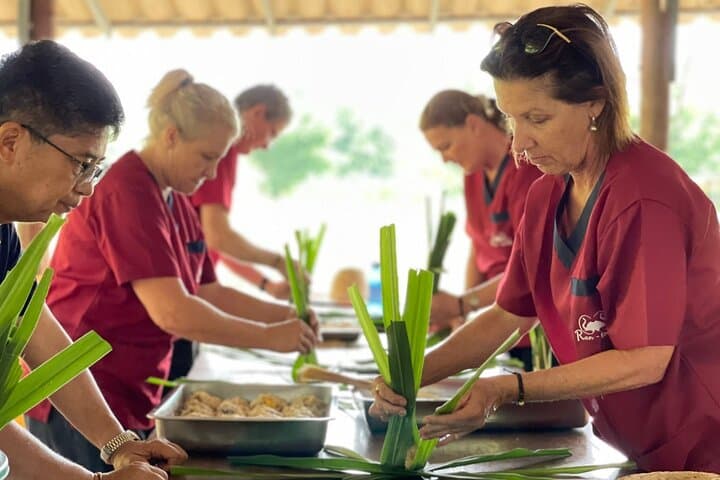
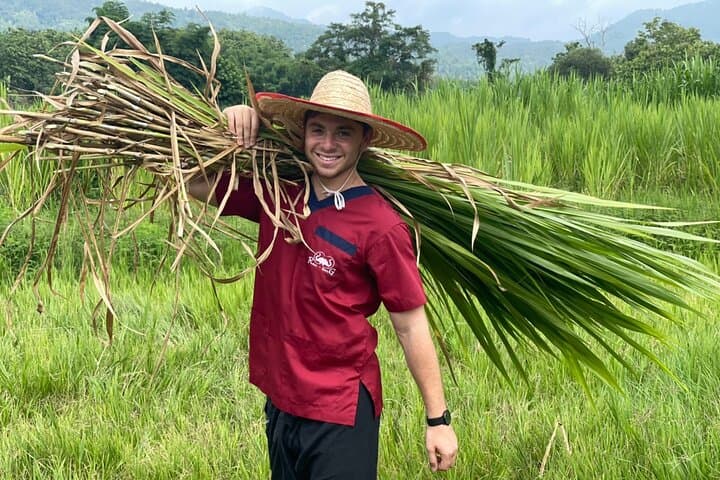
The program emphasizes hands-on learning: changing into Karen-style mahout clothing, preparing vitamin-stuffed fodder, walking with the animals, and helping bathe them in shallow channels. Elephants here are individuals—some playful, some cautious—and the sanctuary prioritizes calm approaches, letting them set the pace.
Practical guidance: expect a 1-hour drive from Chiang Mai, five hours on-site including transport and lunch, light walking on muddy trails, and time in the water. Bring quick-dry clothes and sandals you don’t mind getting dirty, insect repellent, and a camera with a secure strap. Mornings are cooler and quieter; afternoons bring more activity and dust.
Ran-Tong is best approached with respect: follow staff instructions, limit loud noises, and treat interactions as part of their rehabilitation. The visit is equal parts education and care—an immersive, grounded way to see elephants beyond performance.
easy.
4–5 hours.
Suitable for most fitness levels; expect short walks on uneven, sometimes muddy terrain and standing during demonstrations.
Approximately 45–60 minutes one way, depending on traffic and exact pickup location in Chiang Mai.
The program is family-friendly but infants must sit on laps; staff supervise all encounters and restrict access to vulnerable animals.
Bring quick-dry clothes, sandals you don’t mind getting wet, insect repellent, a camera with a strap, and a refillable water bottle.
Guests assist in preparing and offering food under staff supervision; riding is not part of the sanctuary’s welfare-focused program.
Ran-Tong opened in 2009 to rescue elephants from logging and exploitative tourism; it focuses on medical care, social reintroduction, and community education.
The centre emphasizes non-invasive care and education; visitors are instructed to minimize disturbance and obey staff to reduce stress on rescued animals.
Ran-Tong Save & Rescue Elephant Centre operates guided outdoor trips and adventures with an emphasis on safety, stewardship, and memorable experiences.


A low-slung pickup rumbles away from Chiang Mai and the road opens to teak forest and a wider sky. By the time the sanctuary gate appears, the air carries the damp, leaf-sweet scent of the Mae Taeng foothills and a distant rumble—elephants moving through their day—fills the space.
A low-slung pickup rumbles away from Chiang Mai and the road opens to teak forest and a wider sky. By the time the sanctuary gate appears, the air carries the damp, leaf-sweet scent of the Mae Taeng foothills and a distant rumble—elephants moving through their day—fills the space.
Ran-Tong Save & Rescue Elephant Centre began in 2009 to shelter animals removed from logging, tourism, and working camps. The site sits in northern Thailand’s uplands where older alluvial soil and low ridgelines give way to riparian flats; streams and seasonal ponds shape the elephants’ routes and bathing spots. Visitors learn how Thai culture and mahout skills evolved together, and why rescue work focuses on medical care, social grouping, and enrichment rather than shows.
The program emphasizes hands-on learning: changing into Karen-style mahout clothing, preparing vitamin-stuffed fodder, walking with the animals, and helping bathe them in shallow channels. Elephants here are individuals—some playful, some cautious—and the sanctuary prioritizes calm approaches, letting them set the pace.
Practical guidance: expect a 1-hour drive from Chiang Mai, five hours on-site including transport and lunch, light walking on muddy trails, and time in the water. Bring quick-dry clothes and sandals you don’t mind getting dirty, insect repellent, and a camera with a secure strap. Mornings are cooler and quieter; afternoons bring more activity and dust.
Ran-Tong is best approached with respect: follow staff instructions, limit loud noises, and treat interactions as part of their rehabilitation. The visit is equal parts education and care—an immersive, grounded way to see elephants beyond performance.