THE ADVENTURE COLLECTIVE® · Independent discovery and booking for outdoor travel

This private walking tour threads Rameshwaram’s sacred temples, the haunting Dhanushkodi shoreline, and a seasonal bird sanctuary into a 2–4 hour cultural and natural exploration. Expect flat, sandy terrain, strong sun, and pockets of powerful local history.
This private walking tour threads Rameshwaram’s sacred temples, the haunting Dhanushkodi shoreline, and a seasonal bird sanctuary into a 2–4 hour cultural and natural exploration. Expect flat, sandy terrain, strong sun, and pockets of powerful local history.
A salt breeze carries the sound of waves as you step off the van and onto the low, sun-baked roads of Rameshwaram. The first view is of Ram Setu’s shallow limestone shoals, a pale line on the sea that seems to dare you to trace its story. Walking here moves between temple corridors, wind-swept beaches, and scrubby wetlands where flamingos wheel like bright punctuation.
Verified experiences and guided adventures in the surrounding area.
Operated by Palette Activities · Rameshwaram, Tamil Nadu
A salt breeze carries the sound of waves as you step off the van and onto the low, sun-baked roads of Rameshwaram. The first view is of Ram Setu’s shallow limestone shoals, a pale line on the sea that seems to dare you to trace its story. Walking here moves between temple corridors, wind-swept beaches, and scrubby wetlands where flamingos wheel like bright punctuation.
Rameshwaram’s story is carved in stone and tide: a medieval temple complex (Ramanathaswamy) with one of India’s longest pillared corridors, the nearby Dhanushkodi ruins left by the 1964 cyclone and tsunami, and folklore linking this peninsula to the Ramayana. Geologically the island is largely flat, formed from coral and sand deposits, with tidal flats and beach ridges at the eastern tip.
Culturally, the town is a living pilgrimage—priests, pilgrims, and fishermen share the same narrow lanes. The bird sanctuary at the island’s edge is busiest in winter, when migratory waders and pelicans arrive.
Practicalities: the private walking circuit runs 2–4 hours with mostly flat, sandy or paved surfaces and short road transfers between sites. Expect low elevation changes but sustained sun exposure; bring water and sun protection. Admissions to temples and memorials are paid separately (roughly USD 3–10 per site). Morning or late-afternoon departures avoid the midday heat and yield the best light for Ram Setu and Dhanushkodi. Walk at a steady, respectful pace through temple precincts and keep to marked tracks on the beaches to protect nesting birds and fragile dunes.
easy.
2–4 hours.
Suitable for most fitness levels; involves several short walks and standing during temple visits
The tour lasts 2–4 hours overall with several short walking segments (typically 10–30 minutes each) between sites and some brief transfers by vehicle.
No — temple and memorial entrance fees are paid on-site and typically range from about USD 3–10 depending on the venue.
Yes — the route is mostly flat and rated easy, but it’s not recommended for pregnant travelers or those with serious cardiovascular issues per the operator’s guidance.
Migratory birds are most abundant from November through February; winter mornings offer the best viewing conditions.
Rameshwaram has been a pilgrimage center for centuries; the Ramanathaswamy Temple’s corridors and carvings date back through medieval temple-building periods and the town has links to the Ramayana epic.
The island’s bird habitats and dune systems are sensitive—stick to marked trails, avoid disturbing roosting birds, and carry out any trash to protect feeding grounds.
Palette Activities operates guided outdoor trips and adventures with an emphasis on safety, stewardship, and memorable experiences.
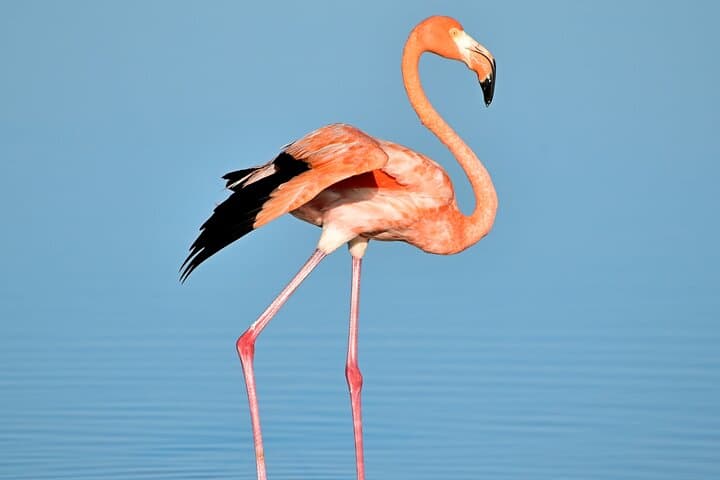
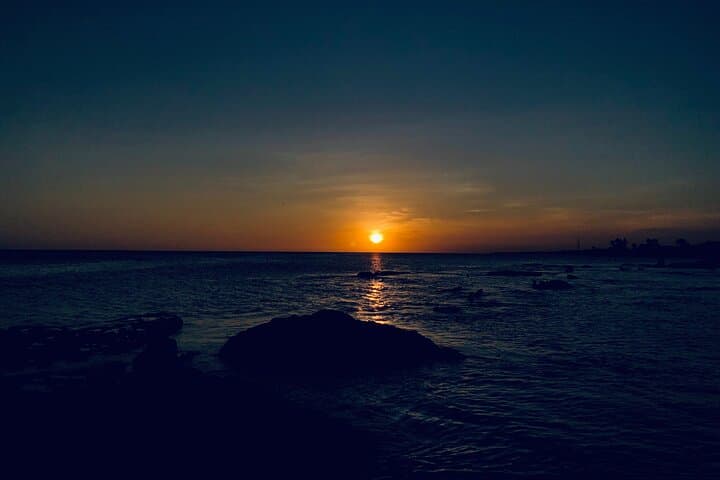
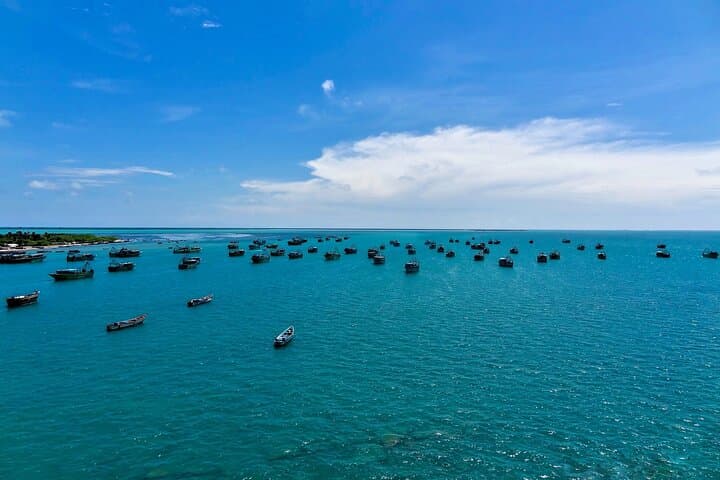
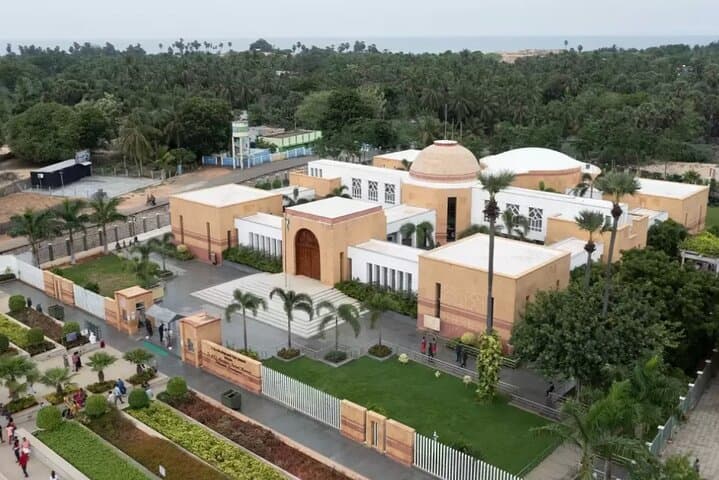
A salt breeze carries the sound of waves as you step off the van and onto the low, sun-baked roads of Rameshwaram. The first view is of Ram Setu’s shallow limestone shoals, a pale line on the sea that seems to dare you to trace its story. Walking here moves between temple corridors, wind-swept beaches, and scrubby wetlands where flamingos wheel like bright punctuation.
A salt breeze carries the sound of waves as you step off the van and onto the low, sun-baked roads of Rameshwaram. The first view is of Ram Setu’s shallow limestone shoals, a pale line on the sea that seems to dare you to trace its story. Walking here moves between temple corridors, wind-swept beaches, and scrubby wetlands where flamingos wheel like bright punctuation.
Rameshwaram’s story is carved in stone and tide: a medieval temple complex (Ramanathaswamy) with one of India’s longest pillared corridors, the nearby Dhanushkodi ruins left by the 1964 cyclone and tsunami, and folklore linking this peninsula to the Ramayana. Geologically the island is largely flat, formed from coral and sand deposits, with tidal flats and beach ridges at the eastern tip.
Culturally, the town is a living pilgrimage—priests, pilgrims, and fishermen share the same narrow lanes. The bird sanctuary at the island’s edge is busiest in winter, when migratory waders and pelicans arrive.
Practicalities: the private walking circuit runs 2–4 hours with mostly flat, sandy or paved surfaces and short road transfers between sites. Expect low elevation changes but sustained sun exposure; bring water and sun protection. Admissions to temples and memorials are paid separately (roughly USD 3–10 per site). Morning or late-afternoon departures avoid the midday heat and yield the best light for Ram Setu and Dhanushkodi. Walk at a steady, respectful pace through temple precincts and keep to marked tracks on the beaches to protect nesting birds and fragile dunes.